What are the most common technical issues with aluminium foil cutting machines and how to solve them?
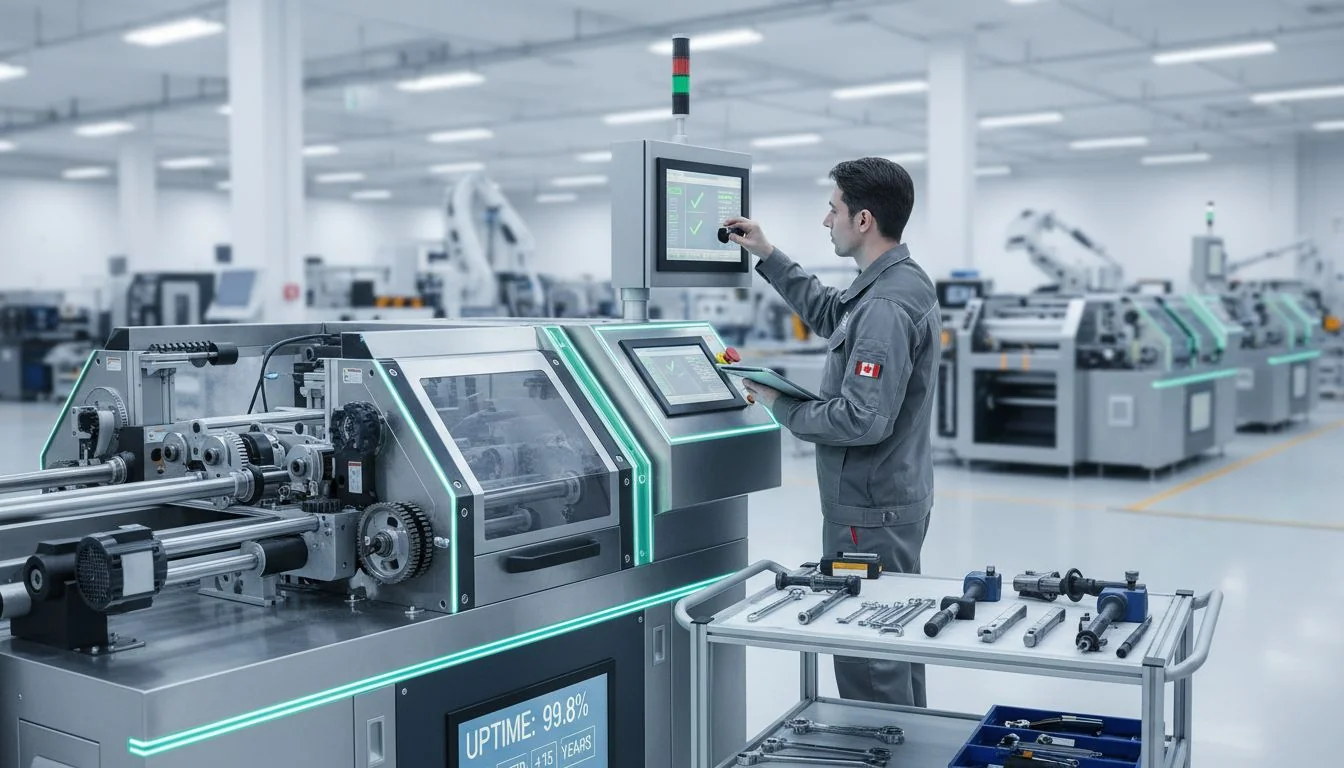
Frequent breakdowns, foil jams, and uneven cuts can destroy your production schedule—and your reputation.
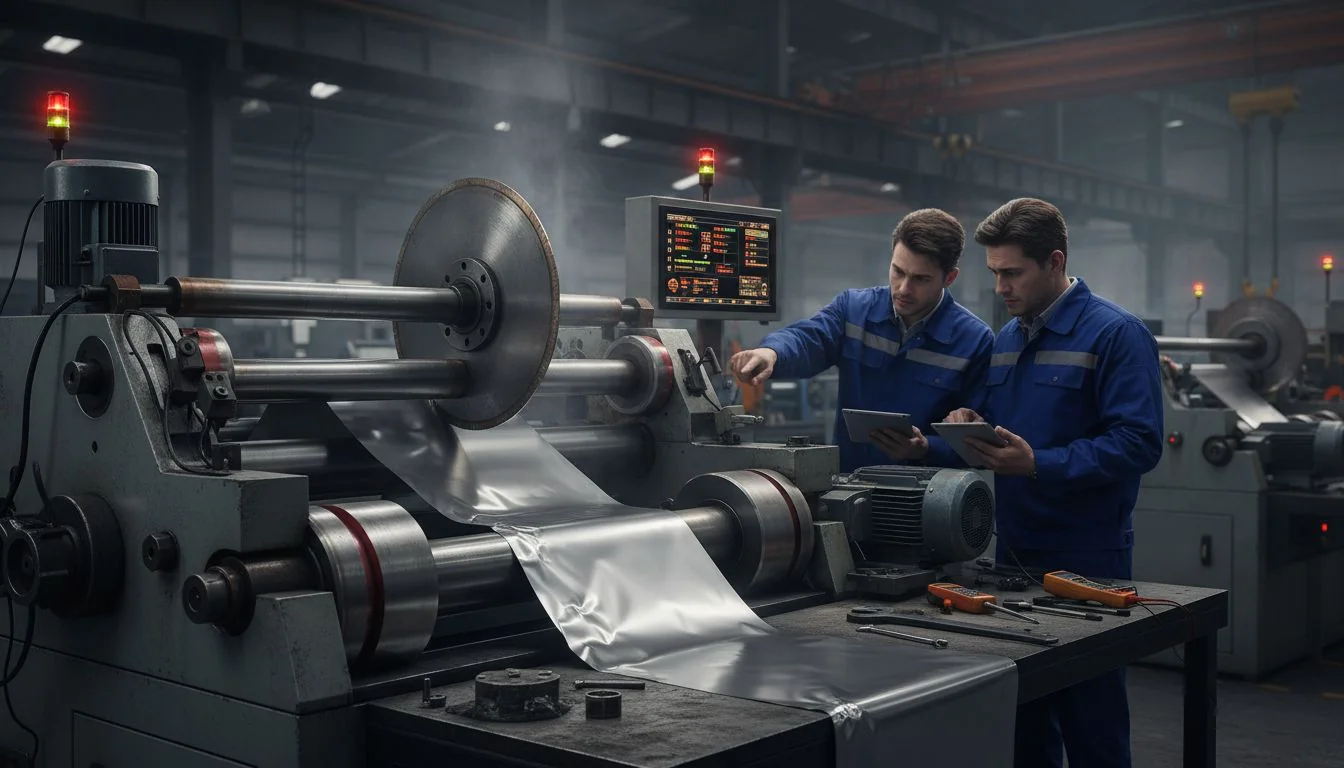
The most common issues with aluminium foil cutting machines include blade dullness, tension misalignment, sensor failure, and overheating. Each has a simple solution if caught early.
Downtime isn’t just lost time—it’s lost revenue. Whether you’re running high-speed packaging lines or flexible foil processing, let’s go through the most typical problems and how to fix them.
How can regular maintenance improve the lifespan of aluminium foil cutters?

Ignoring small machine issues today leads to major repairs tomorrow—and early replacement next year.
Routine maintenance prevents wear and tear, keeps cutting precision stable, and extends machine lifespan by 30–50%, while reducing emergency repair costs.
Many factory owners only react after machines stop working. That’s a problem. Especially for machines cutting delicate materials like aluminium foil, preventative care keeps everything stable.
Why foil cutters wear out faster than other machines
Aluminium foil is soft, thin, and prone to tearing or creasing. That means:
- Blades dull faster
- Tension rollers get misaligned easily
- Dust buildup from foil edges can block sensors
- Heat generated from high-speed friction affects motors
If you don’t address these issues regularly, they stack up and lead to breakdowns. Let me share how you can avoid that.
Key maintenance areas and solutions
| Problem | Cause | How to Fix |
|---|---|---|
| Uneven cuts | Dull blades or unstable tension | Replace blades regularly and adjust tension settings weekly |
| Foil jam or misfeed | Misaligned rollers or bad tension | Recalibrate roller tension and check edge-guiding systems |
| Motor overheating1 | Lack of ventilation or overuse | Install cooling fans; check motor loads during long shifts |
| Sensor failure | Dust buildup or wiring wear | Clean optical sensors weekly and replace faulty cables early |
| Cut length inaccuracy | Servo miscalibration | Recalibrate servo motor; verify sensor alignment with laser tools |
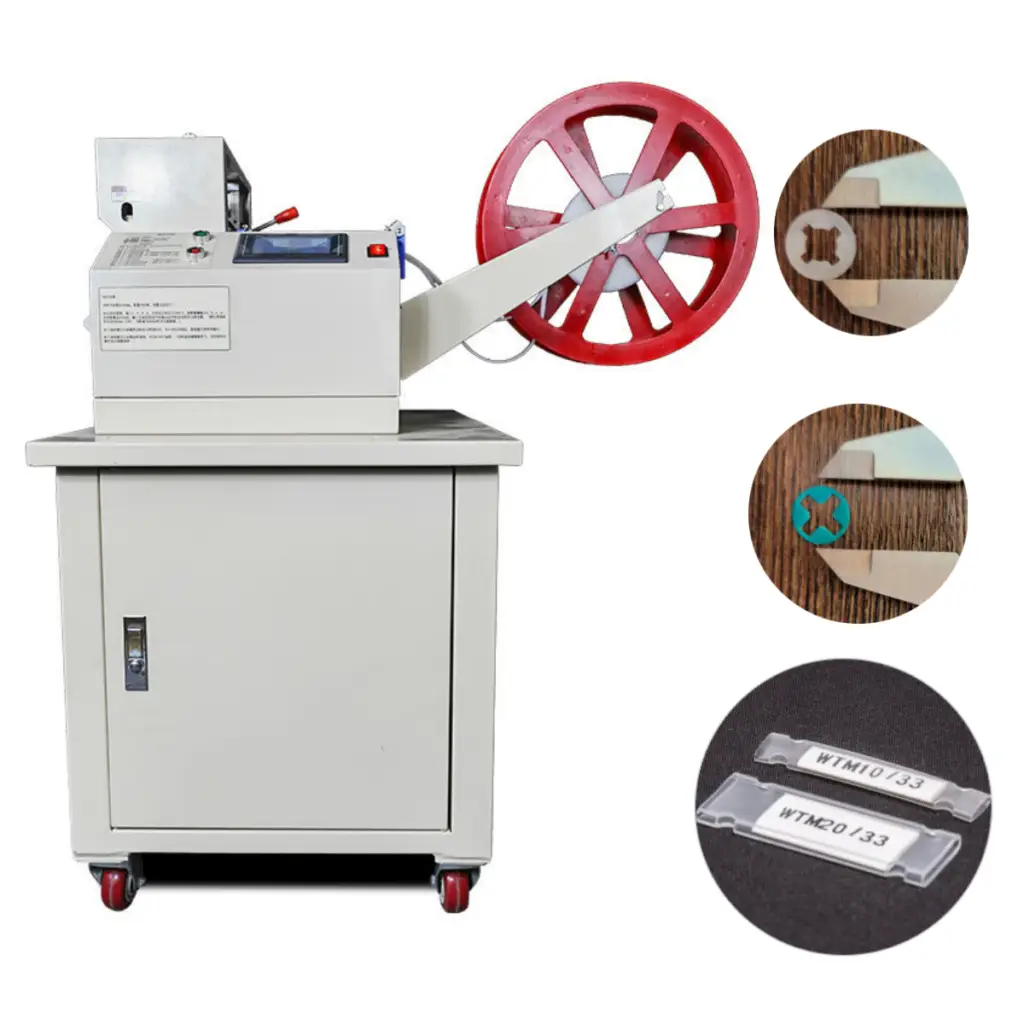
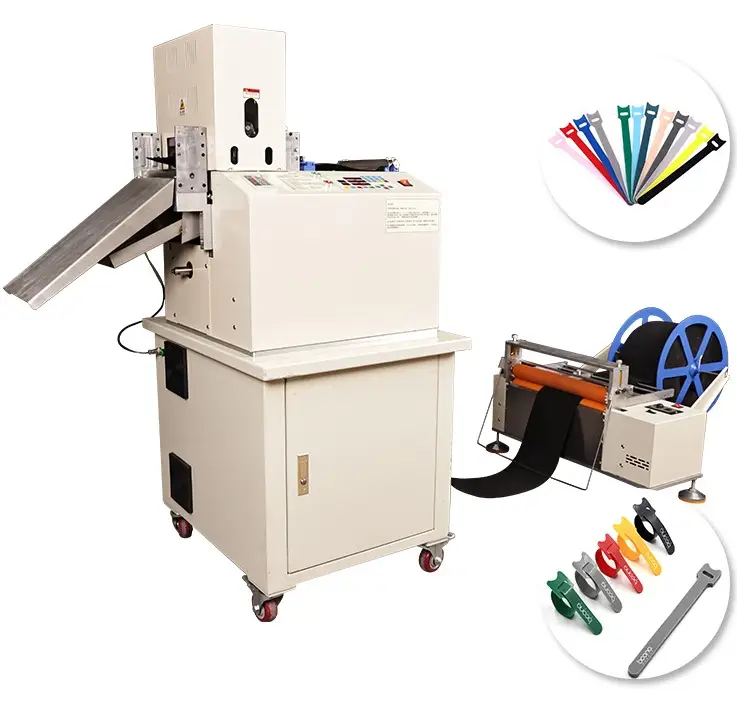
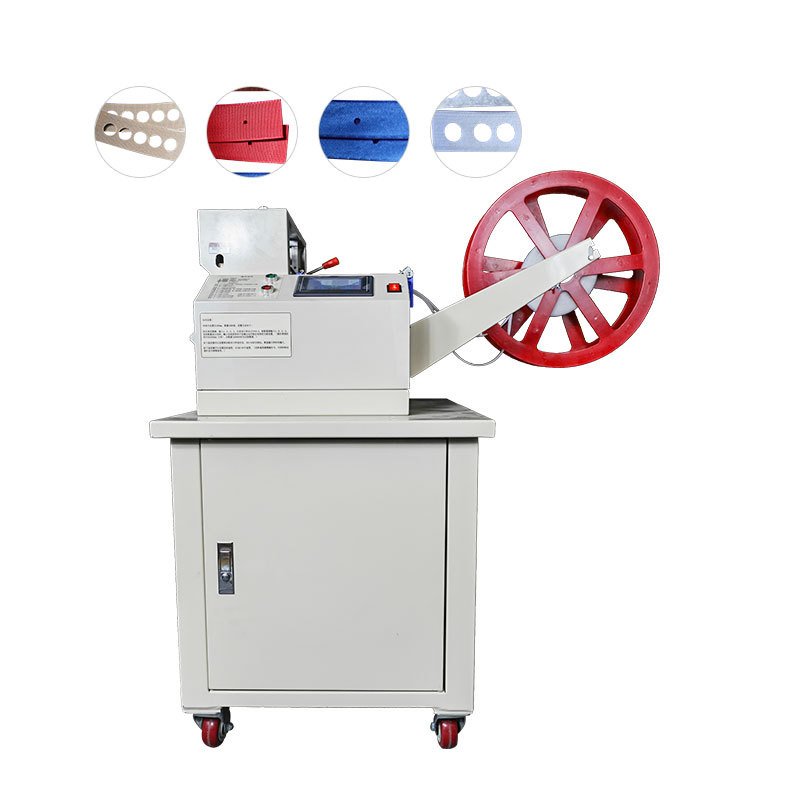
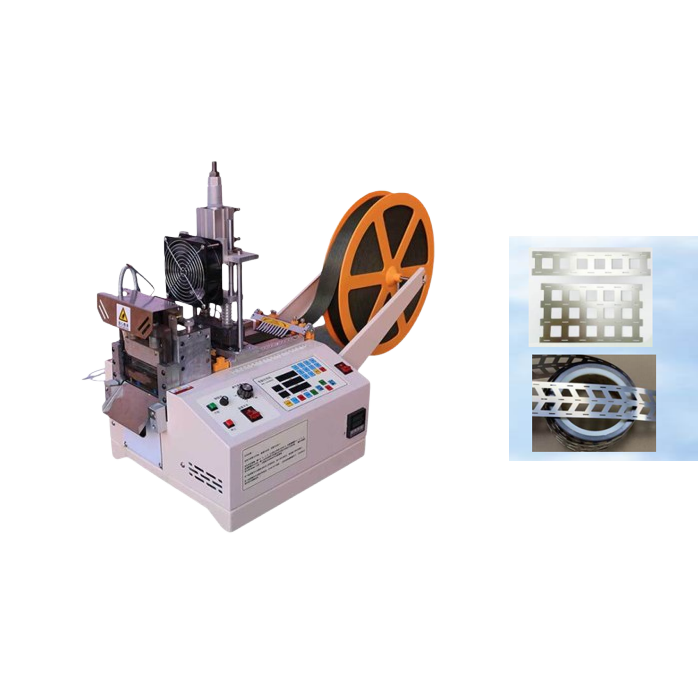
At Suzhou Haoxinhe Electrical Equipment Co., Ltd., we design our webbing ribbon cutting machines, hot and cold cutting machines, and automatic punching cutting machines with easy maintenance panels, dust-proof covers, and plug-and-play parts to simplify upkeep.
Maintenance checklist for aluminium foil cutting machines
Use this weekly checklist to prevent 90% of common failures:
🔧 Blade Maintenance
- Check sharpness with test cuts
- Clean and lubricate blade housing
- Replace blade after every 80–100 hours of operation
🔧 Tension System
- Verify alignment of feed rollers
- Clean dust buildup2 from belts and pulleys
- Adjust tension pressure for foil thickness
🔧 Electrical Components
- Inspect wiring for signs of wear or exposure
- Clean sensors with non-abrasive cloth
- Test emergency stop and auto-cut triggers
🔧 Motor and Servo Check
- Monitor motor temperature with handheld sensor
- Test servo calibration with a standard-length feed
- Grease moving parts every 2 weeks
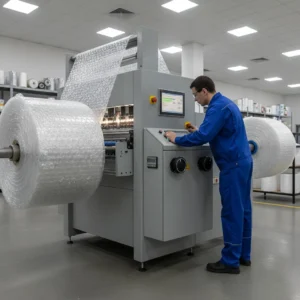
Our bubble wrap cutting machines and PVC edge banding cutting machines also feature error detection displays, so operators can spot problems before production stops. Many of our clients in Canada and Germany train their teams using our free maintenance templates.
Case study: How one factory doubled machine lifespan
A Canadian client using our protective foam cutting machine reported frequent downtime until they adopted a strict maintenance schedule. Within 6 months:
- Downtime dropped by 85%
- Blade change intervals improved by 40%
- Machine output became 15% more consistent
Small routines made a big difference—and saved them thousands in repairs.
Conclusion
Preventative maintenance is cheaper and faster than emergency repairs—and your foil cutters will last years longer.
Insights:
Frequent machine failures in aluminium foil cutting can be avoided through regular maintenance and component checks. Suzhou Haoxinhe Electrical Equipment Co., Ltd. builds machines like the rotary bevel cutting machine and the computer tube cutting machine with easy-maintenance designs. By replacing blades early, checking tension systems weekly, and cleaning sensors routinely, manufacturers can reduce downtime, cut repair costs, and protect long-term machine investments.