What Are the Advantages of Roll to Sheet Cutting Machines in Industrial Operations?

Manual material handling1 between roll processing and sheet cutting creates bottlenecks in production lines2.
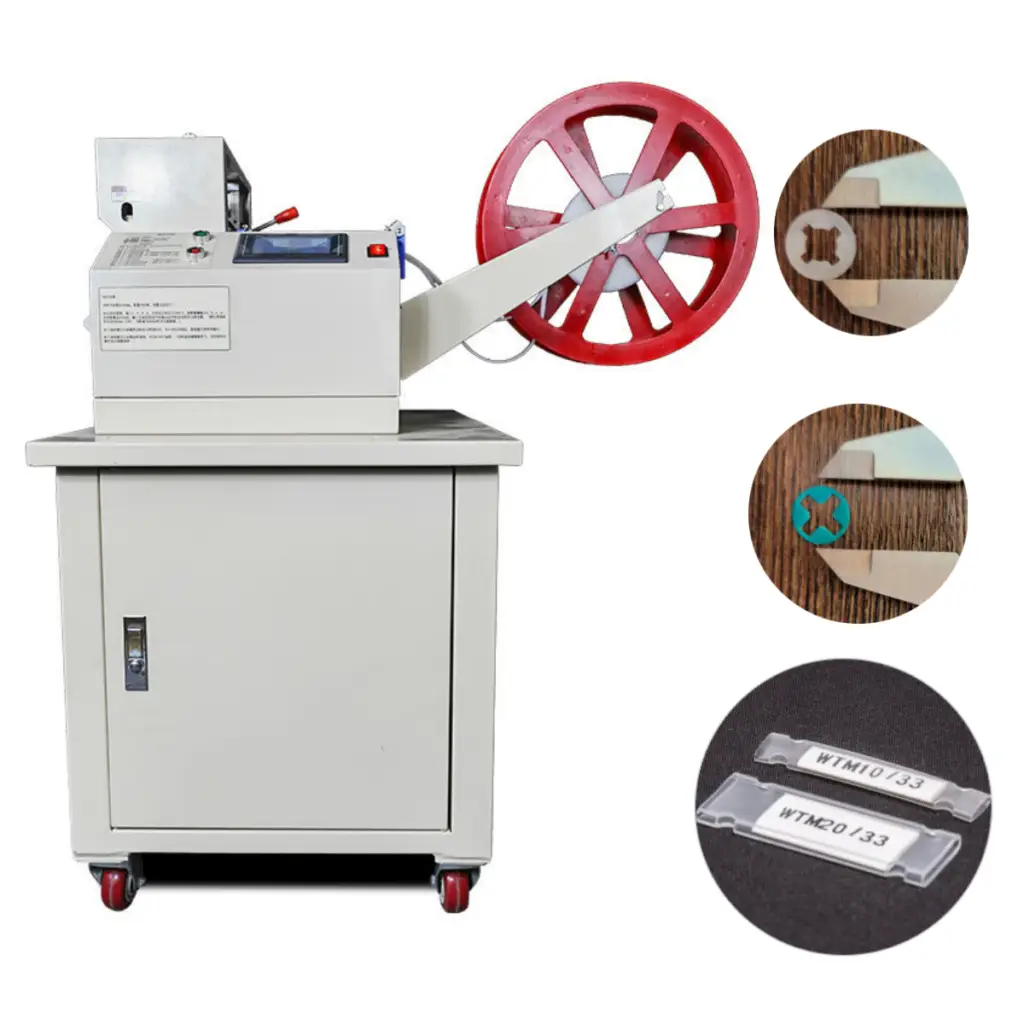
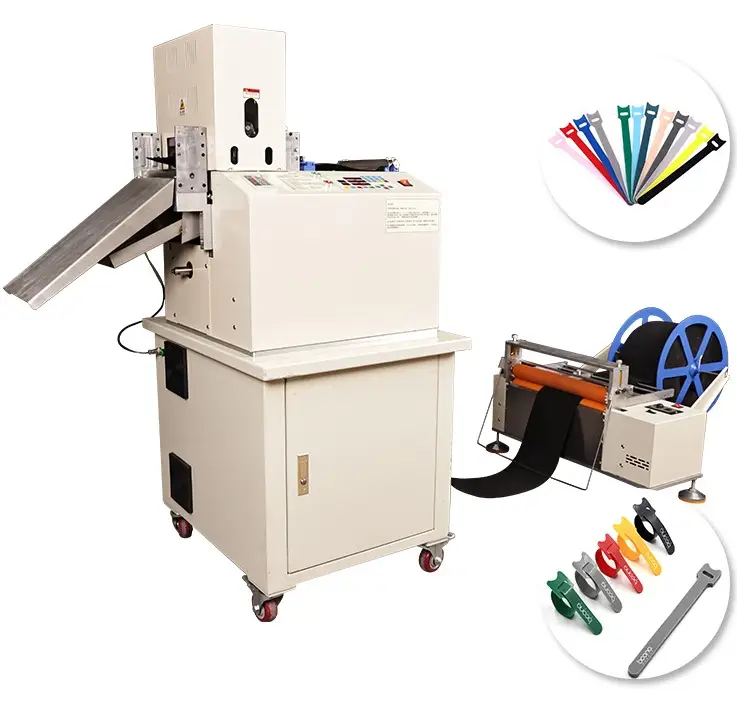
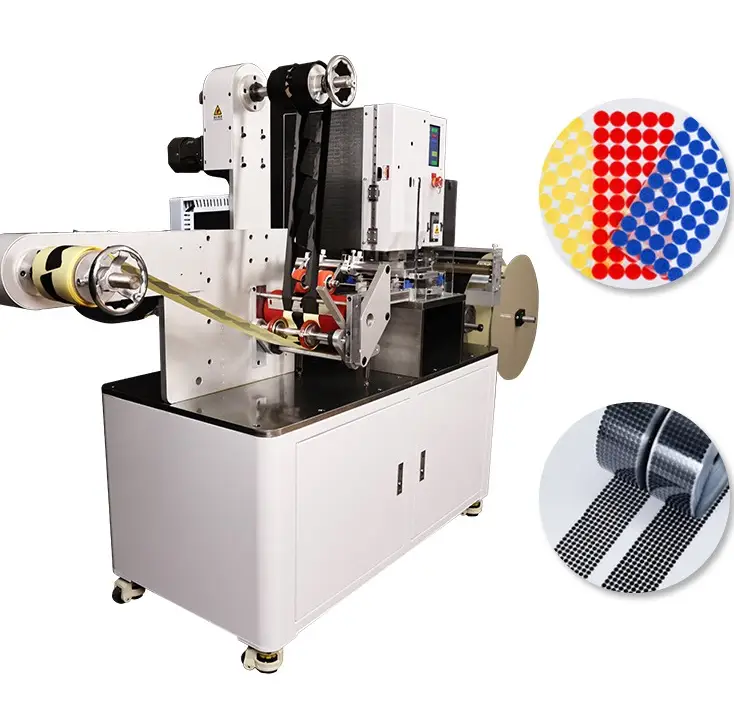
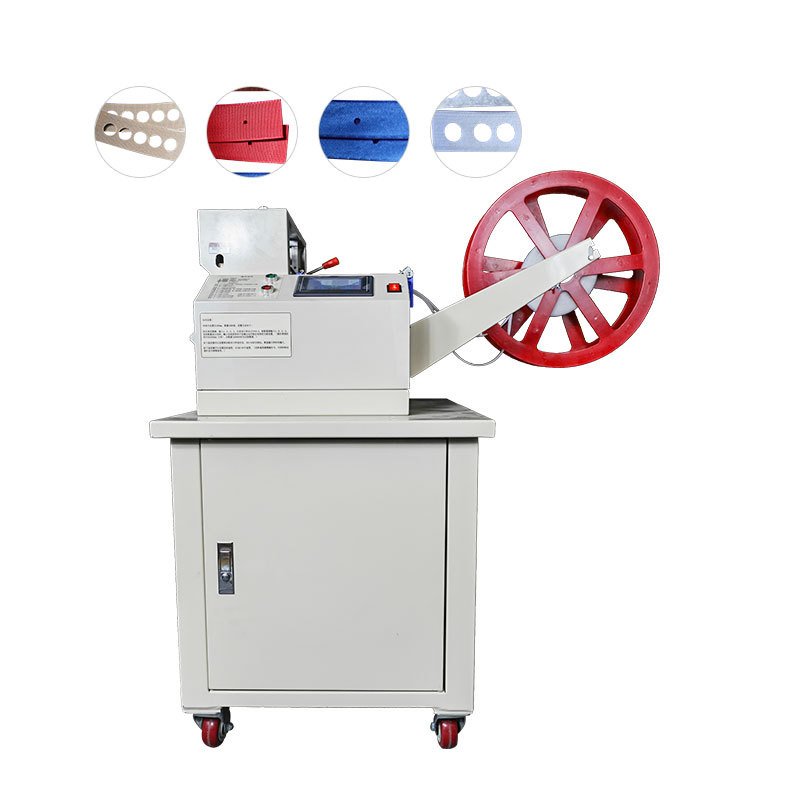
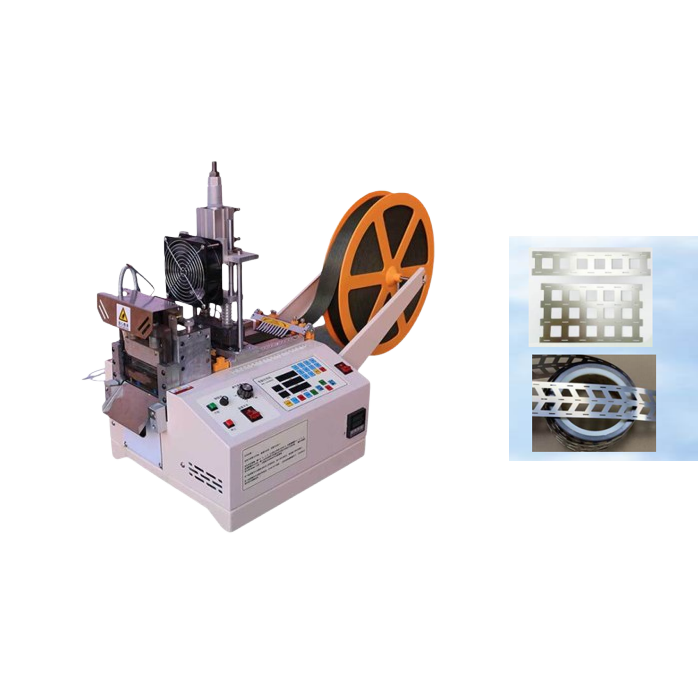
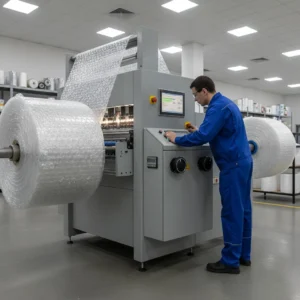
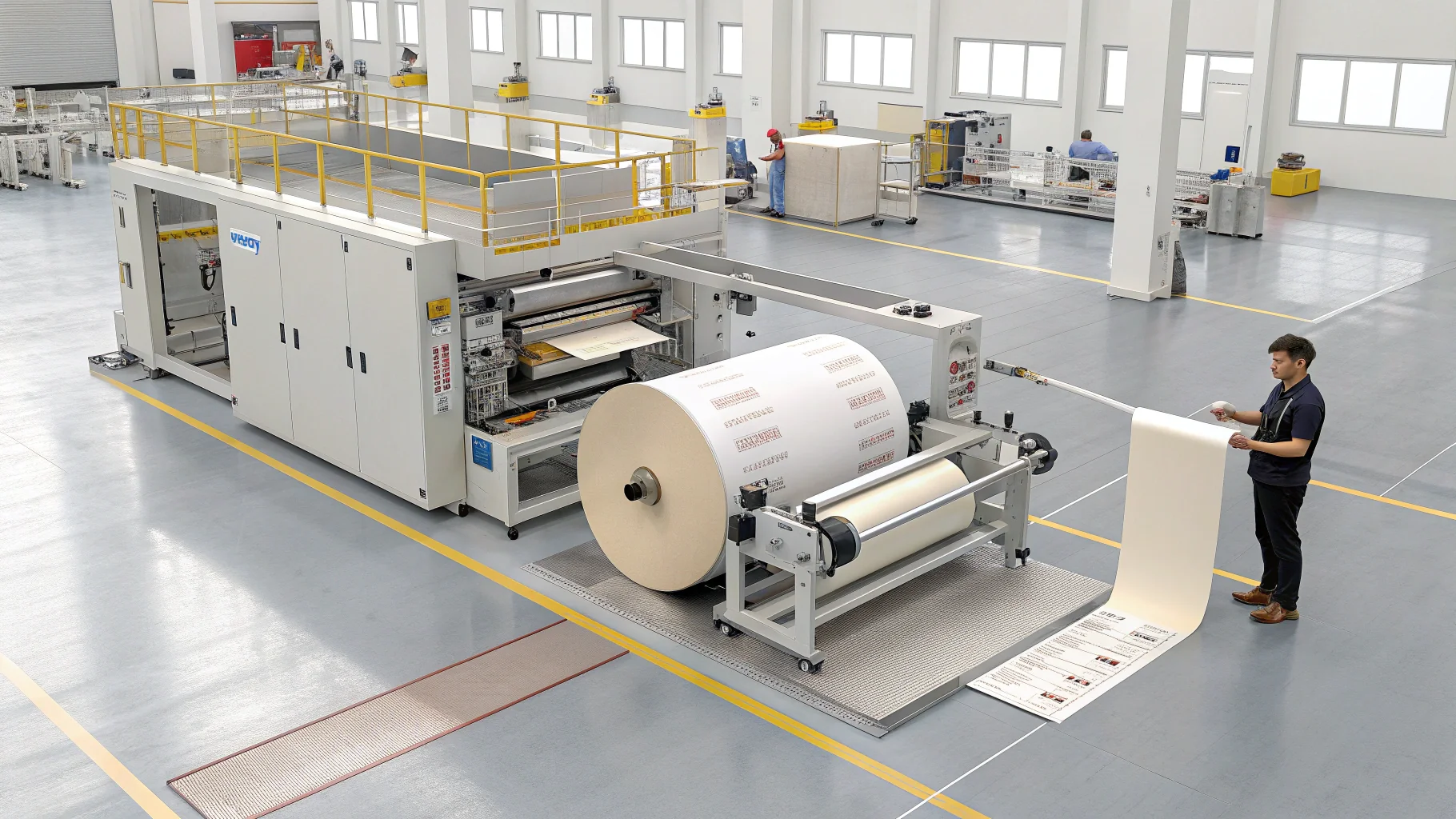
Roll to sheet cutting machines3 improve efficiency by combining unwinding, cutting, and stacking in one automated process – achieving consistent sheet dimensions (±0.2mm tolerance) while processing 50-100 rolls per hour .
Roll to sheet cutters improve efficiency by automating cuts, increasing speed, reducing waste, and requiring less labor – helping businesses meet deadlines more easily.
Here’s how these integrated systems transform industrial material handling1.
How Do Roll-to-Sheet Cutters Streamline Material Processing?
Traditional separate rolling and cutting equipment requires multiple operators and creates alignment issues [1].
Key workflow benefits include:
- Continuous operation: Automatic feeding eliminates downtime between roll changes [2]
- Precision control: Digital length counters ensure uniform sheet sizes [5]
- Reduced labor: Single-operator systems handle unwinding to finished sheet stacking [3]
1. Production Efficiency Comparison
| Process | Output Speed | Material Waste | Labor Required |
|---|---|---|---|
| Manual Roll → Separate Cutter | 20-30 rolls/hour | 8-12% | 3-4 operators |
| Automated Roll-to-Sheet | 50-100 rolls/hour | 2-5% | 1 operator |
| HAOXINHE Integrated System | 120+ rolls/hour | <1.5% | Semi-automatic |
HAOXINHE Technical Solution:
Our RS-300 Series features:
✔ Automatic roll splicing for uninterrupted operation
✔ Vision-guided edge alignment
✔ Stack height monitoring
What Industrial Applications Benefit Most?
Roll-to-sheet technology serves diverse sectors with customized configurations [1][4].
1. Key Industries and Requirements
| Industry | Material Types | Cutting Needs | Special Features |
|---|---|---|---|
| Packaging | Laminates, films | High-speed straight cuts | Static control systems |
| Labels | Adhesive substrates | Precision contours | Release liner handling |
| Textiles | Woven/non-woven | Variable lengths | Anti-fray mechanisms |
Case Example:
A label manufacturer increased output by 40% after switching to our roll-to-sheet system with automatic matrix removal [6].
How Do Advanced Models Enhance Precision?
Modern systems incorporate multiple quality control technologies4 [2][5].
Critical accuracy features:
- Laser positioning sensors (±0.1mm)
- Real-time thickness compensation
- Automatic blade sharpness monitoring
Material-Specific Settings:
- Films: 60-80psi tension control
- Woven materials: Lower speed with vibration damping
- Adhesive substrates: Temperature-controlled cutting
Conclusion

Integrated roll-to-sheet systems deliver unmatched efficiency for high-volume material conversion.
HAOXINHE Insight: Our machines handle specialty materials like static-sensitive films and reinforced textiles – request technical specifications at cherryhaoxinhesz@gmail.com.
Certainly! Here is the previous answer about the advantages of a roll to sheet cutting machine, listed in English with numbers, followed by a summary at the end:
- Continuous Automated Cutting – The machine can process roll materials into sheets at high speed, minimizing manual handling and reducing downtime for material changes.
- High Speed and Productivity – It can handle dozens of meters of material per minute, which is ideal for mass production and industries with high demand.
- High Precision and Consistency – Advanced CNC or digital controls ensure uniform sheet sizes and consistent quality, which is important for quality control.
- Optimized Material Utilization – Intelligent layout algorithms and nested cutting help to reduce waste and lower material costs.
- Diverse Cutting Modes – Supports single sheet cutting, multiple sheet stacking, and striping, meeting various operational requirements.
- Reduced Manual Labor and Enhanced Safety – Automation decreases the need for human intervention in hazardous cutting tasks, which lowers labor costs and improves workplace safety.
- Easy Maintenance and Durable Design – Features wear-resistant rollers, easy blade replacement, built-in blade sharpening, and aids like air flotation devices for smooth material movement.
- Improved Workflow Efficiency and Production Capacity – Saves time, reduces errors, and enhances overall productivity.
Summary:
Roll to sheet cutting machines3 provide automation, speed, precision, material savings, versatility, safety, durability, and enhanced efficiency. These advantages make them essential in industrial operations that require cost-effective, high-quality, and flexible mass production.
Key Product Terms:
- Automatic roll to sheet cutting machine
- High-speed material converting system
- Precision sheet stacking equipment
- Industrial roll slitting and cutting machine
Discover effective strategies to optimize material handling and reduce bottlenecks. ↩ ↩
Learn about the impact of automation on production line efficiency and output. ↩
Explore how these machines enhance efficiency and reduce waste in production. ↩ ↩
Learn about advancements in quality control that ensure product consistency. ↩