Quality Control in Rope Cutting

Inconsistent lengths and frayed rope edges can ruin an entire production batch—and your customer’s trust.
High-quality rope cutting means achieving smooth, sealed edges and perfectly consistent lengths, every single time.
If you’re scaling your business or supplying critical industries, quality control in rope cutting1 isn’t optional—it’s a requirement.
Ensuring Smooth Edges and Consistent Length

A single uneven cut or rough edge can lead to rejected shipments, damaged branding, or extra manual work—none of which your operation can afford.
To ensure smooth edges and accurate length, rope cutting machines must combine precise measuring systems with the right blade technology.
At Suzhou Haoxinhe Electrical Equipment Co., Ltd., we design and manufacture industrial cutting machines2 that deliver reliable quality at scale.
Why Edge Smoothness Matters
Frayed or burnt edges aren’t just an aesthetic issue. In industries like packaging, marine, or construction, they can lead to:
- Reduced rope strength
- Safety hazards
- Poor product fit or function
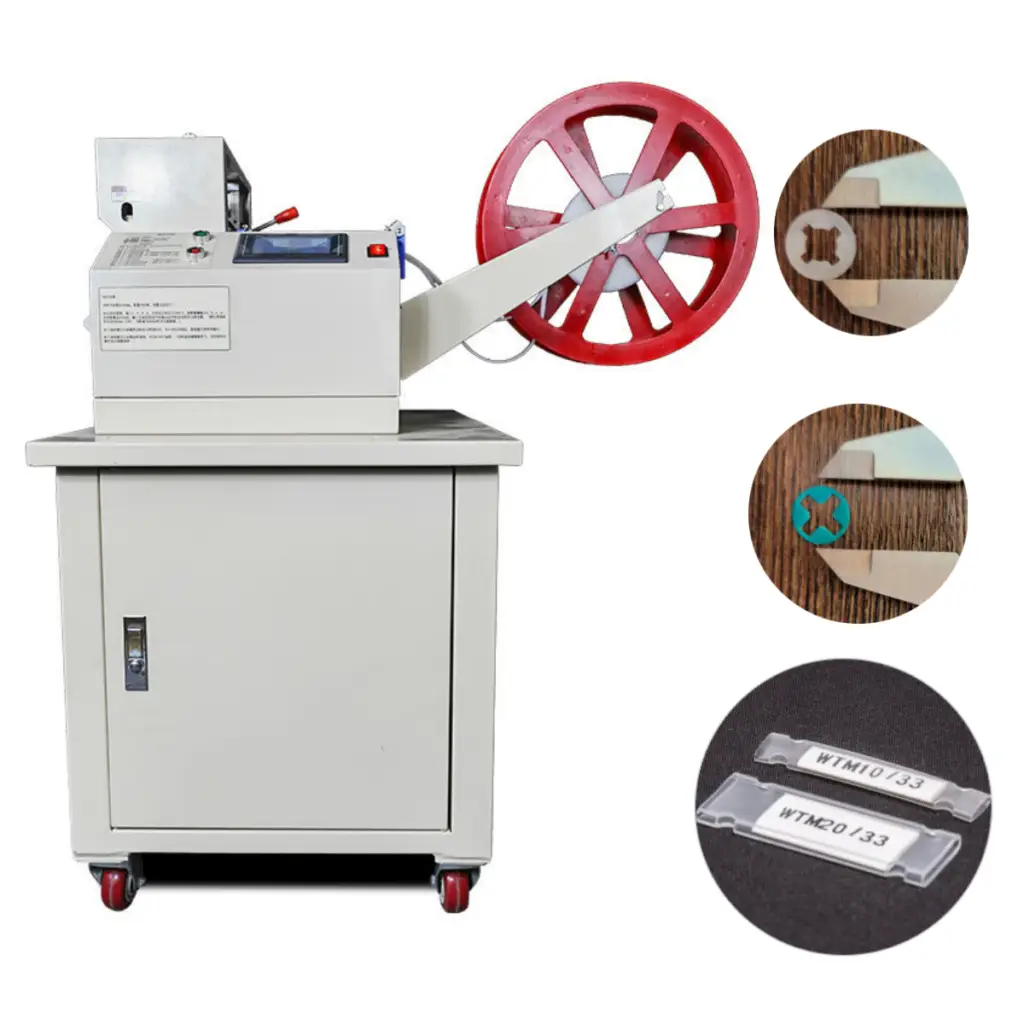
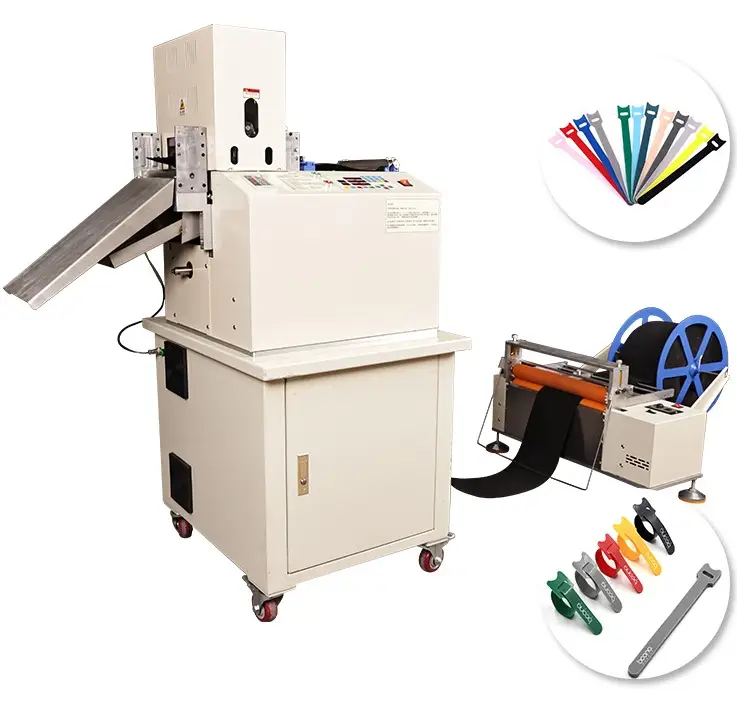
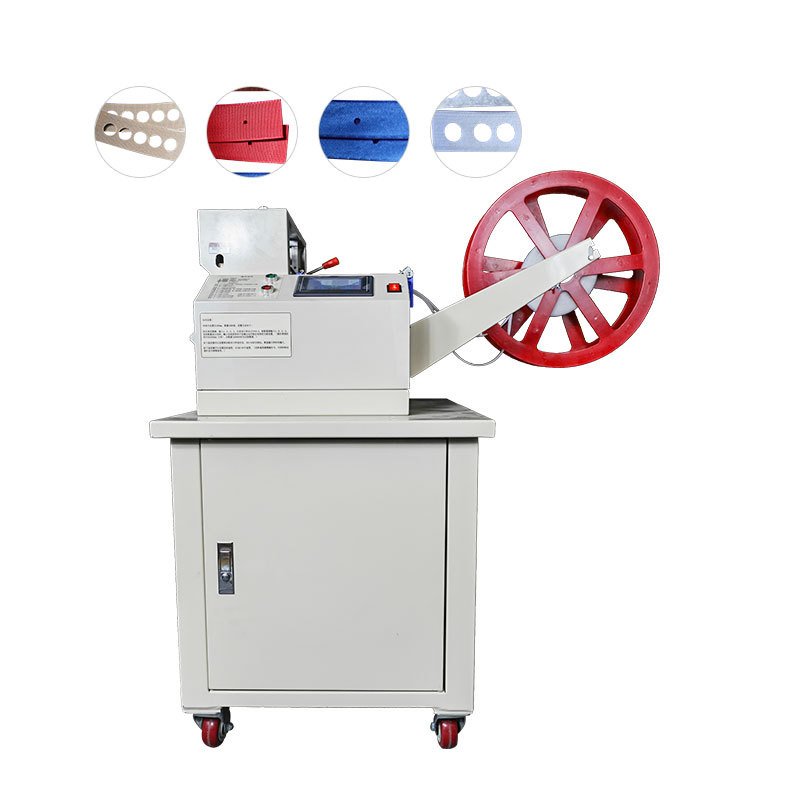
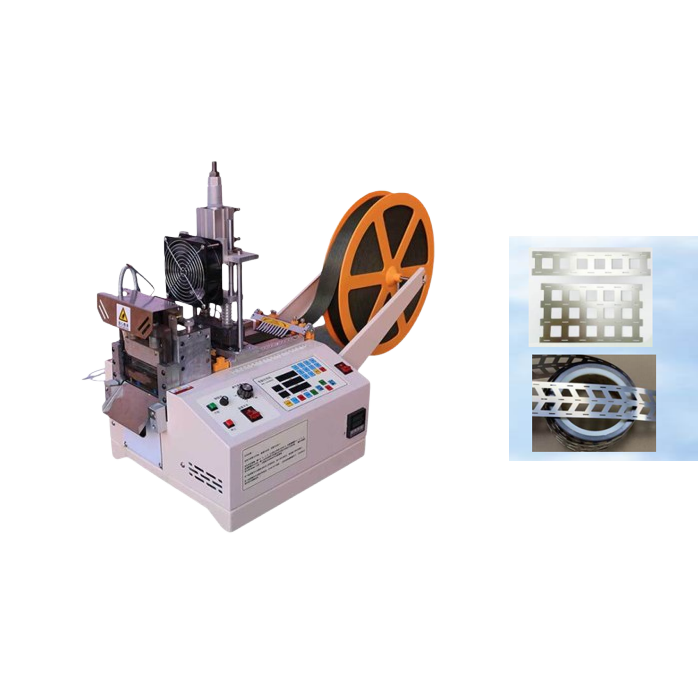
Our hot and cold cutting machines and webbing ribbon cutting machines are equipped with heat sealing blades that ensure rope ends are smooth and sealed on every cut.
Heat Sealing Technology Benefits:
| Feature | Benefit |
|---|---|
| Hot Knife Blade | Melts rope end to seal fibers |
| Adjustable Temp Control | Avoids overheating or charring |
| Clean Finish | Enhances safety and visual appeal |
This feature is especially important for cutting polypropylene rope, which tends to fray when cut cold.

Precision in Length Control
Inconsistent rope length can cause major issues in high-precision applications like:
- Assembly line packaging
- Marine mooring systems
- Netting for agriculture or sports
Manual cutting methods often introduce human error. With automation, machines like our rotary bevel cutting machine use servo-controlled measuring systems to ensure precision down to the millimeter.
Tools for Accurate Length Control:
- Digital PLC controller for inputting exact measurements
- Length sensors to confirm rope is fed correctly
- Auto-correction for minor inconsistencies
Example of a Quality-First Workflow:
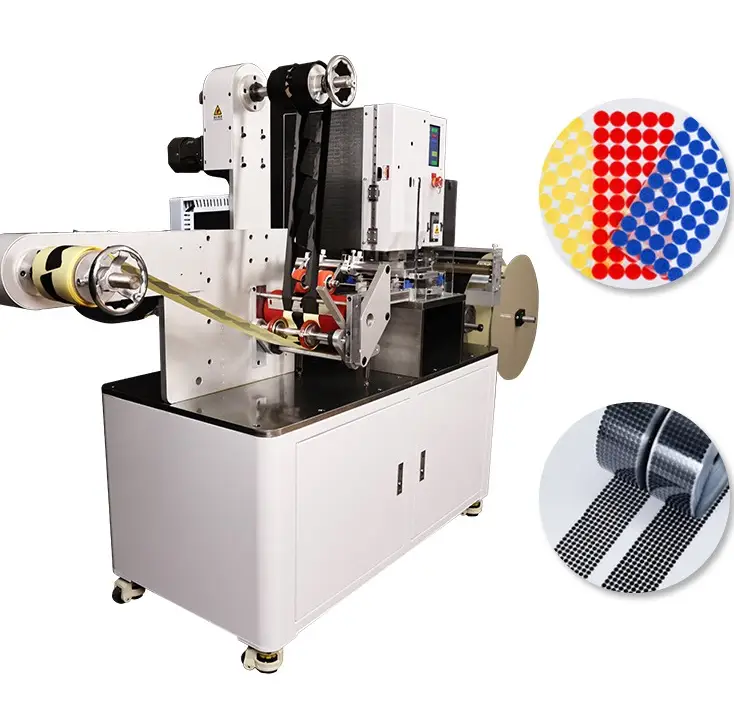
A client from Italy in the textile industry needed to cut various types of webbing and ropes into exact 80cm lengths. Using our different shapes cutting machine with hot knife function, they achieved over 99.8% length consistency across 10,000+ pieces per day—with zero fraying complaints.
Operator-Friendly Interfaces for Consistency
Our machines are designed not just for quality but also for usability. Operators can input length, speed, and batch size on a user-friendly touchscreen or button panel. This reduces the chance of setting errors.
Quality Control Enhancements Include:
- Batch counters with auto-stop when quota is reached
- Alarm systems for feeding issues
- Error history logs for troubleshooting
Whether you’re producing bubble wrap strips, edge banding, or polypropylene rope3, these features allow even junior operators to maintain high standards.
Maintenance = Consistency
To maintain cut quality over time, regular maintenance is critical. All machines from Suzhou Haoxinhe Electrical Equipment Co., Ltd. come with:
- Blade replacement guides
- Cleaning protocols
- Calibration instructions
We also offer remote support for international clients to walk through maintenance steps.
Conclusion

Consistent length and smooth edges are the backbone of high-quality rope cutting—and the right machine ensures both.
Insights:
At Suzhou Haoxinhe Electrical Equipment Co., Ltd., we help industrial clients maintain premium quality with every cut. Our rope cutting machines2—such as the hot and cold cutting machine, rotary bevel cutting machine, and webbing ribbon cutting machine—are designed with built-in quality controls like hot knife sealing4, digital length measurement, and automated calibration. Whether you’re cutting webbing, foam, PVC edge banding, or polypropylene rope3, we help you deliver a product that meets your industry’s highest standards—every time.
🧠 Industry Insight: Why Quality Control Is Your Silent Sales Rep
In high-volume manufacturing, it’s easy to overlook rope ends and length tolerances—but that’s exactly where brand perception and repeat business are won or lost.
I’ve worked with clients in marine, packaging, and construction industries who’ve lost contracts over inconsistent cuts that caused product malfunctions. One packaging supplier in Germany told me, “We didn’t know a few frayed rope ends could jeopardize a $100,000 order—but it did.”
That’s why the best-performing factories treat quality control in rope cutting1 as a core revenue function, not just a technical requirement. Machines equipped with hot knife sealing4, servo motors, and auto-length calibration aren’t just more accurate—they protect your brand, reduce returns, and improve downstream automation.
Our clients who run 24/7 lines know this well: Every millimeter matters. Every edge counts. Inconsistent quality isn’t a one-time glitch—it’s a recurring liability. With the right setup, it becomes your competitive advantage.
Explore this resource to understand essential practices that ensure high-quality rope cutting and maintain customer trust. ↩ ↩
Discover various cutting machines that enhance efficiency and precision in industrial settings. ↩ ↩
Understand the unique properties of polypropylene rope and why it requires special cutting techniques. ↩ ↩
Learn about hot knife sealing technology and its benefits for achieving clean cuts in rope. ↩ ↩