Production Efficiency Improvement

Still relying on manual processes while your competitors are moving faster? You’re losing valuable time—and possibly clients.
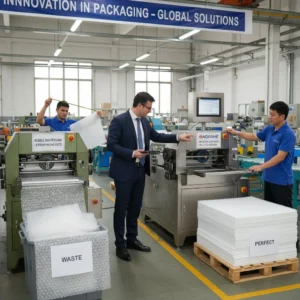
Automation dramatically improves production speed in rope cutting by reducing manual labor, increasing precision, and enabling continuous operation.
If you want to scale production, cut costs, and stay competitive, automation isn’t a luxury—it’s a necessity.
How Automation Enhances Rope Cutting Speed

Manual cutting methods may seem manageable at first, but they can’t keep up with growing production demands.
Automated rope cutting machines can process thousands of cuts per hour with minimal human input, drastically increasing productivity and lowering per-unit cost.
Let’s break down how automation transforms rope cutting operations—especially for businesses working with materials like polypropylene, foam, or webbing.
Faster Throughput with Precision Control
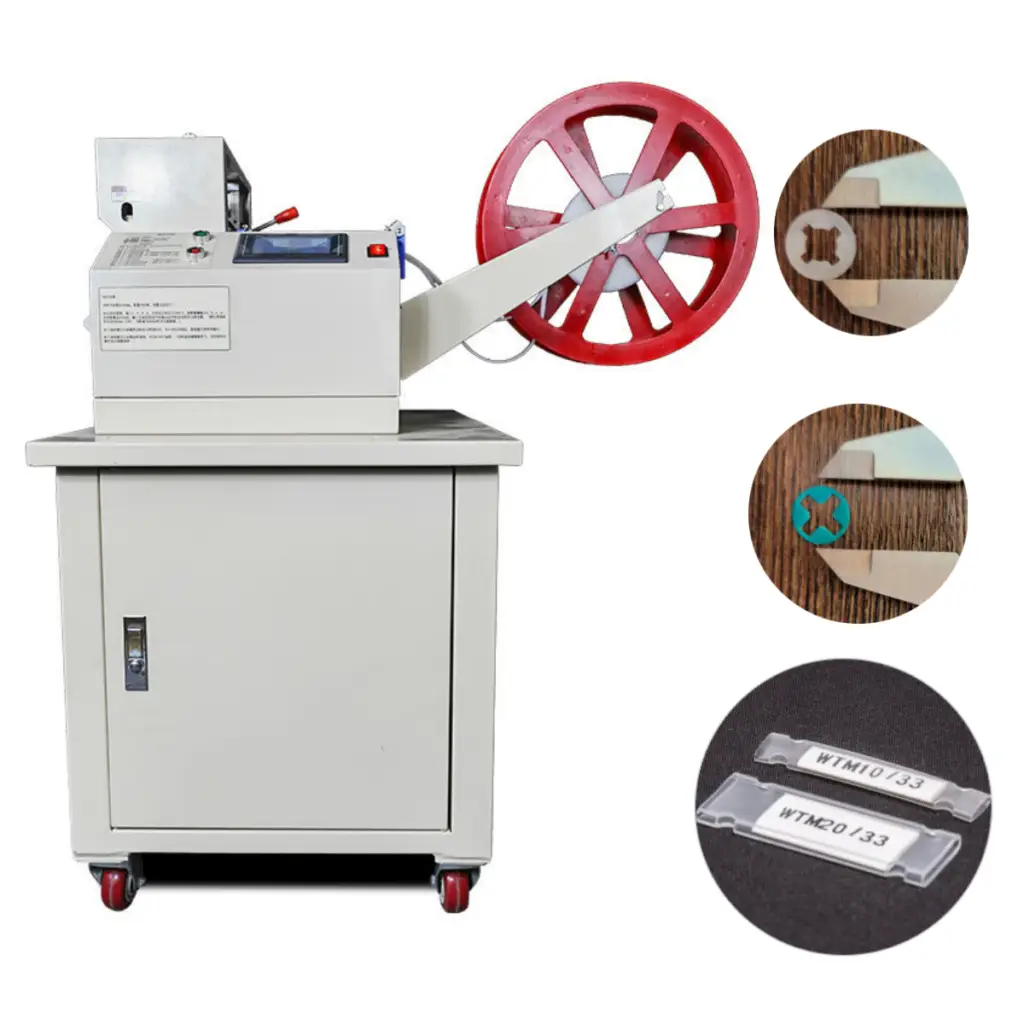
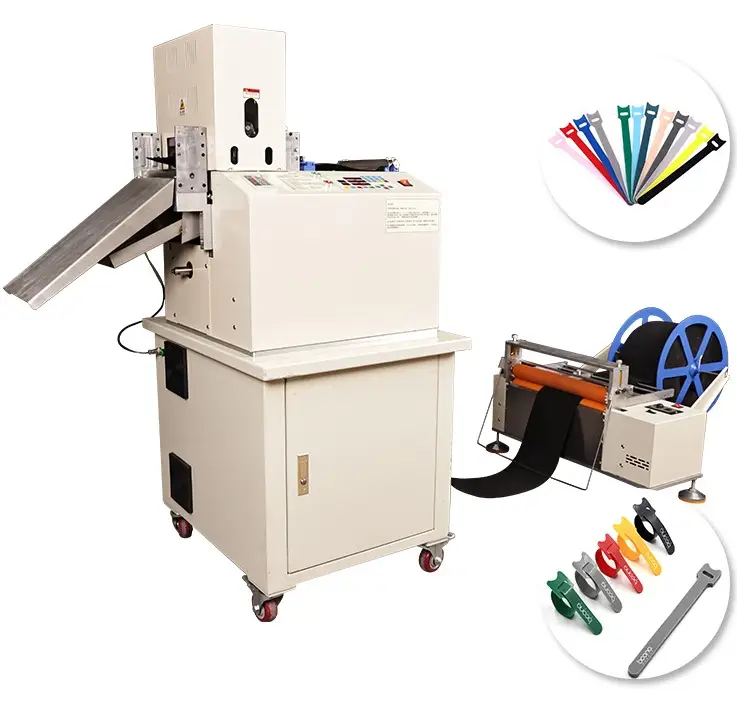
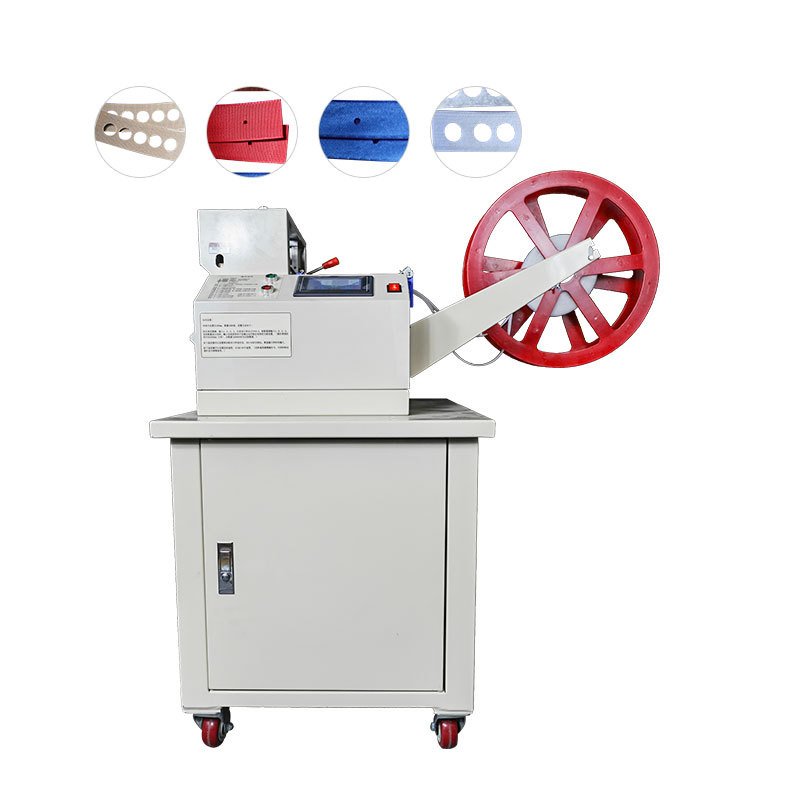
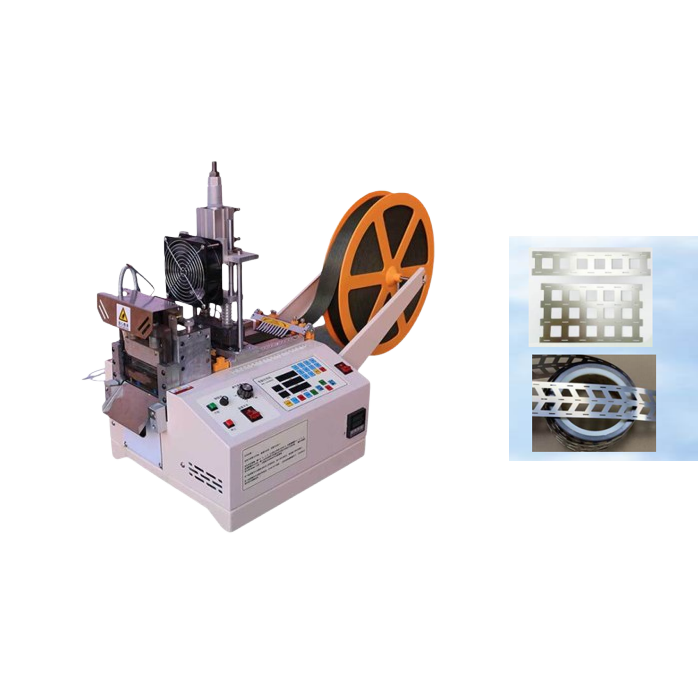
Automatic machines from Suzhou Haoxinhe Electrical Equipment Co., Ltd.—such as the webbing ribbon cutting machine1 and hot and cold cutting machine—are engineered for speed without sacrificing accuracy.
Typical Speed Improvements:
| Method | Avg. Output/hr | Operator Required |
|---|---|---|
| Manual Cutting | 100–150 pcs | 1–2 |
| Automated Cutting | 2,000–3,000 pcs | 0.2 (monitor only) |
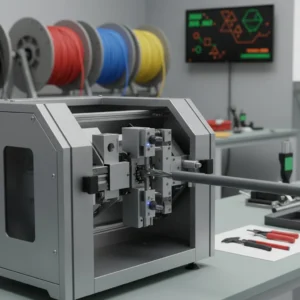
These machines are fitted with servo motors and PLC control systems that maintain a consistent cutting speed and length throughout the production cycle.


Reduced Downtime Between Batches
Manual methods often require workers to reset measurements, reposition the material, or take breaks. Automated machines eliminate these interruptions.
Benefits of Automation:
- Continuous operation for 8+ hours
- Pre-programmed length and quantity settings
- Automatic feeding and collecting mechanisms
Our rotary bevel cutting machine2 supports back-to-back operations with minimal operator interaction. This is perfect for businesses needing bulk output without gaps in production.
Real-Time Adjustment Features
Modern rope cutting machines come with LCD touchscreens or button panels that allow you to change settings on the fly.
Example:
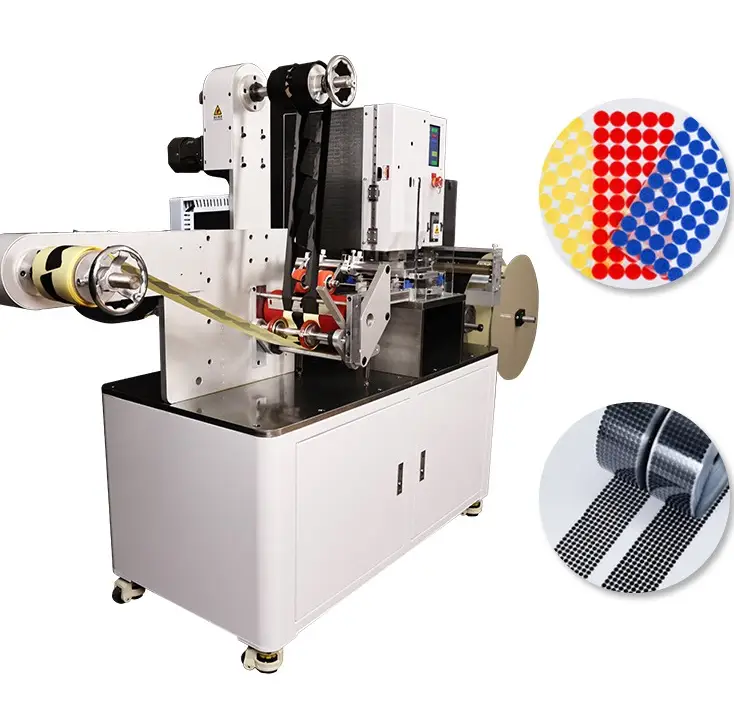
A client in Germany runs three shifts per day and needed to switch between different rope diameters and lengths. Using our computer tube cutting machine3, they adjust settings in under 2 minutes—no tool change needed.
Key Functional Features:
- Length and speed adjustments in real time
- Material detection sensors
- Batch counting and auto stop after completion
Lower Risk of Human Error
With automation, each cut is consistent. There are no manual measurements, so the chance of error drops significantly.
Impact of Human Error:
- Waste from cutting too short
- Product returns due to inconsistency
- Extra labor to rework or repackage
Automated systems improve quality control by using calibrated sensors and repeatable commands—something manual labor can’t guarantee.
Improved Workflow Integration
Automation not only improves speed but also fits better into modern manufacturing workflows. Machines can be integrated with conveyor systems or packing stations to streamline the entire process.
Example Applications:
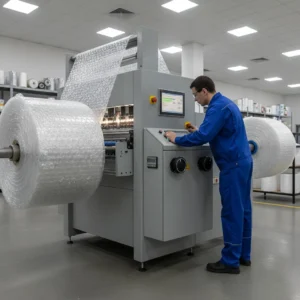
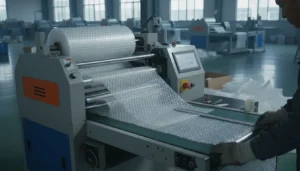
- Bubble wrap cutting machine paired with auto-packing systems
- PVC edge banding cutting machine linked to assembly lines
- Protective foam cutting machines synced with CNC routers
By connecting these machines into your workflow, you reduce manual handling and bottlenecks.
Conclusion

Automating rope cutting boosts speed, reduces labor, and minimizes errors—delivering scalable efficiency across your production line.
Insights:
At Suzhou Haoxinhe Electrical Equipment Co., Ltd., we help manufacturers eliminate production delays with fully automated cutting solutions. Our high-speed machines—like the webbing ribbon cutting machine1, rotary bevel cutting machine2, and hot and cold cutting machine—are designed for continuous use and quick configuration. Whether you’re cutting polypropylene rope, edge banding, or foam, our systems drastically reduce downtime and labor costs while improving consistency. That’s why industrial clients across Europe, North America, and Southeast Asia rely on us to scale efficiently and stay competitive.
🧠 Industry Insight: Why Automation Isn’t Just Faster—It’s Smarter
One of the biggest misconceptions in rope processing is that automation is only about speed. But after 20+ years in the industry, I’ve seen the real value lies in process stability and strategic scalability.
When your production depends on human pace, you’re at the mercy of fatigue, inconsistency, and rising labor costs. One client in Eastern Europe was rotating three full-time operators just to maintain output. After switching to our automated hot and cold cutting machine, they downsized to a single supervisor and increased production capacity by 5X—without increasing floor space.
Automation also enables predictive scheduling and accurate cost forecasting. You know exactly how many units will be processed per hour, how much material is needed, and when to schedule maintenance. That kind of control lets businesses grow without chaos or burnout.
Bottom line: automation doesn’t just cut rope—it cuts risk, waste, and guesswork.