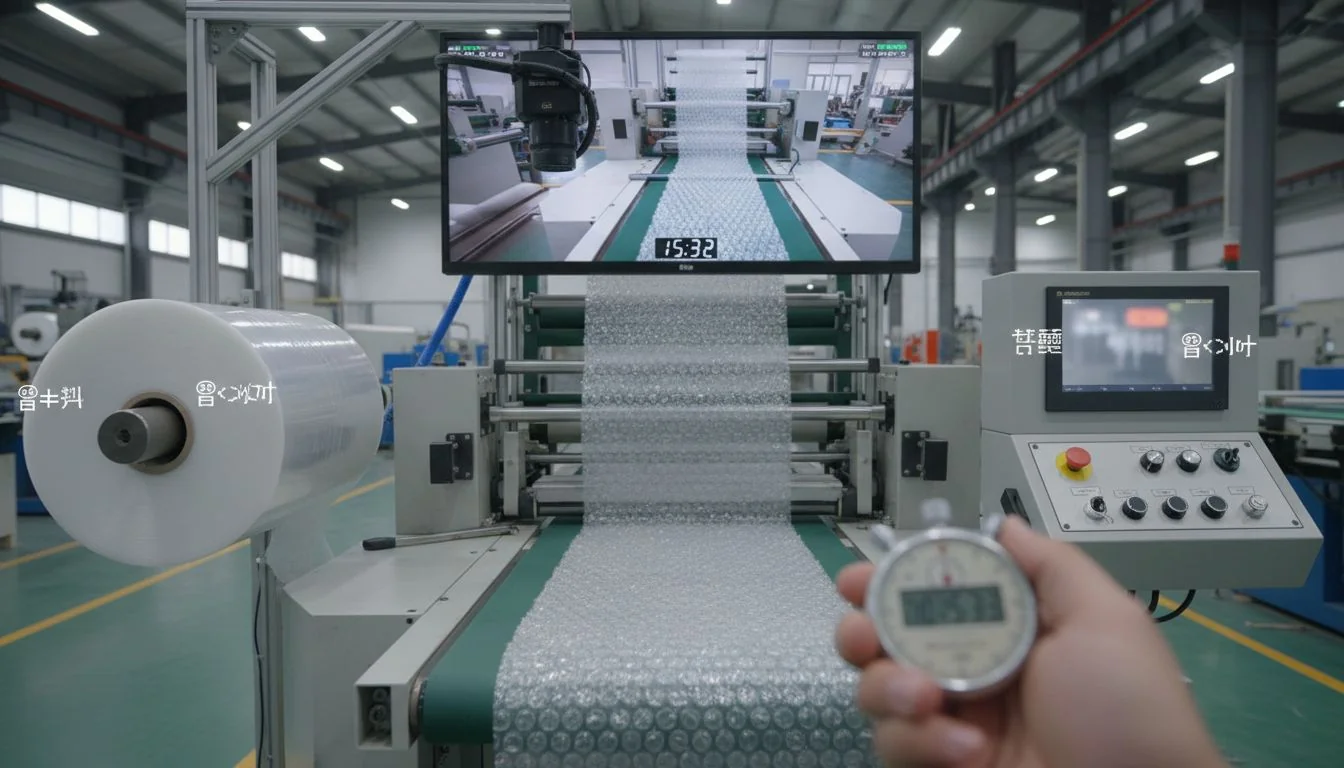
How to set up a bubble wrap cutting machine for e-commerce peaks?
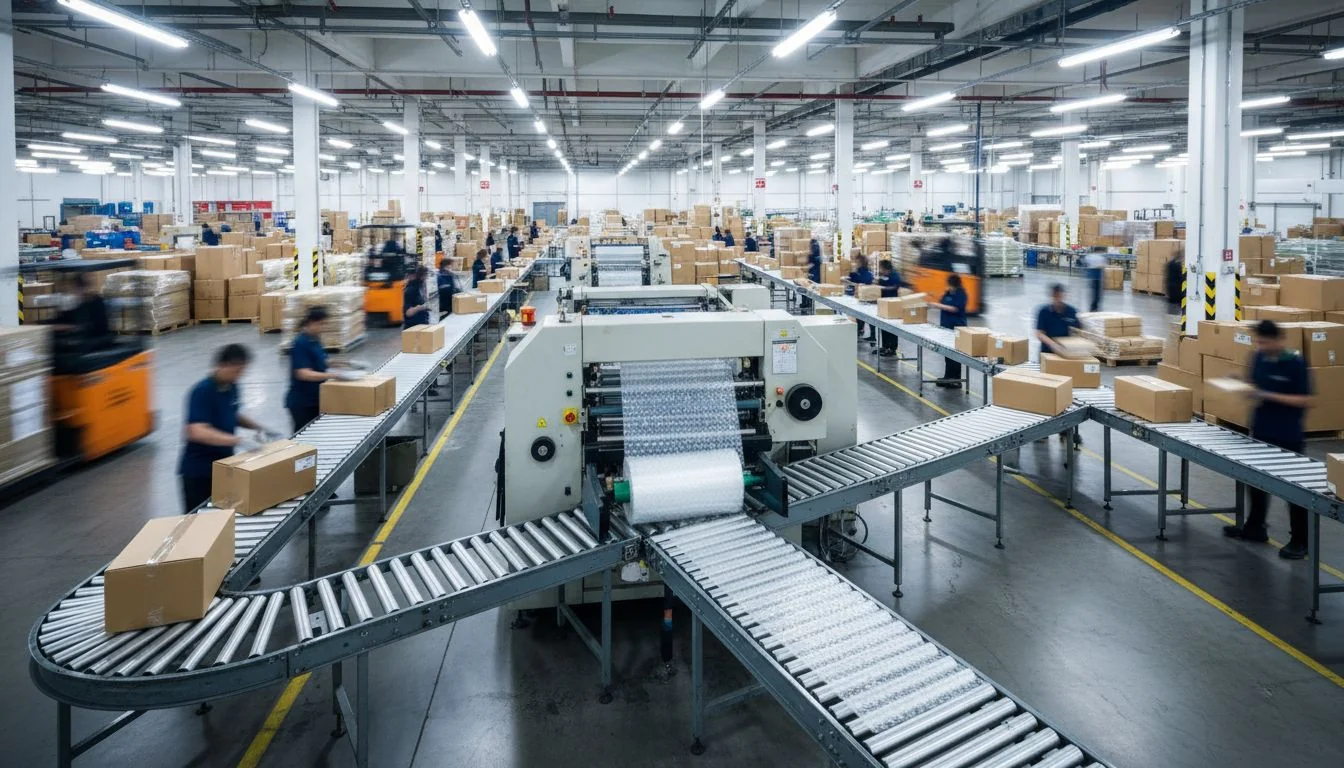
During sales peaks like Black Friday or Christmas, delays in packaging cost money. If your bubble wrap cutter can’t keep up, fulfillment bottlenecks hit fast.
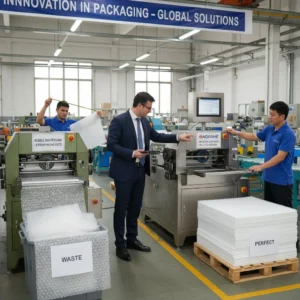
To handle 1,000–3,000 parcels/day efficiently, set up your bubble wrap cutting system with the right speed, conveyor flow, and enough operators per shift.
Here’s how I help clients scale their setup during seasonal surges—without chaos or wasted material.
Dimensioning for 1,000–3,000 parcels/day: speed, buffer conveyors, operator count
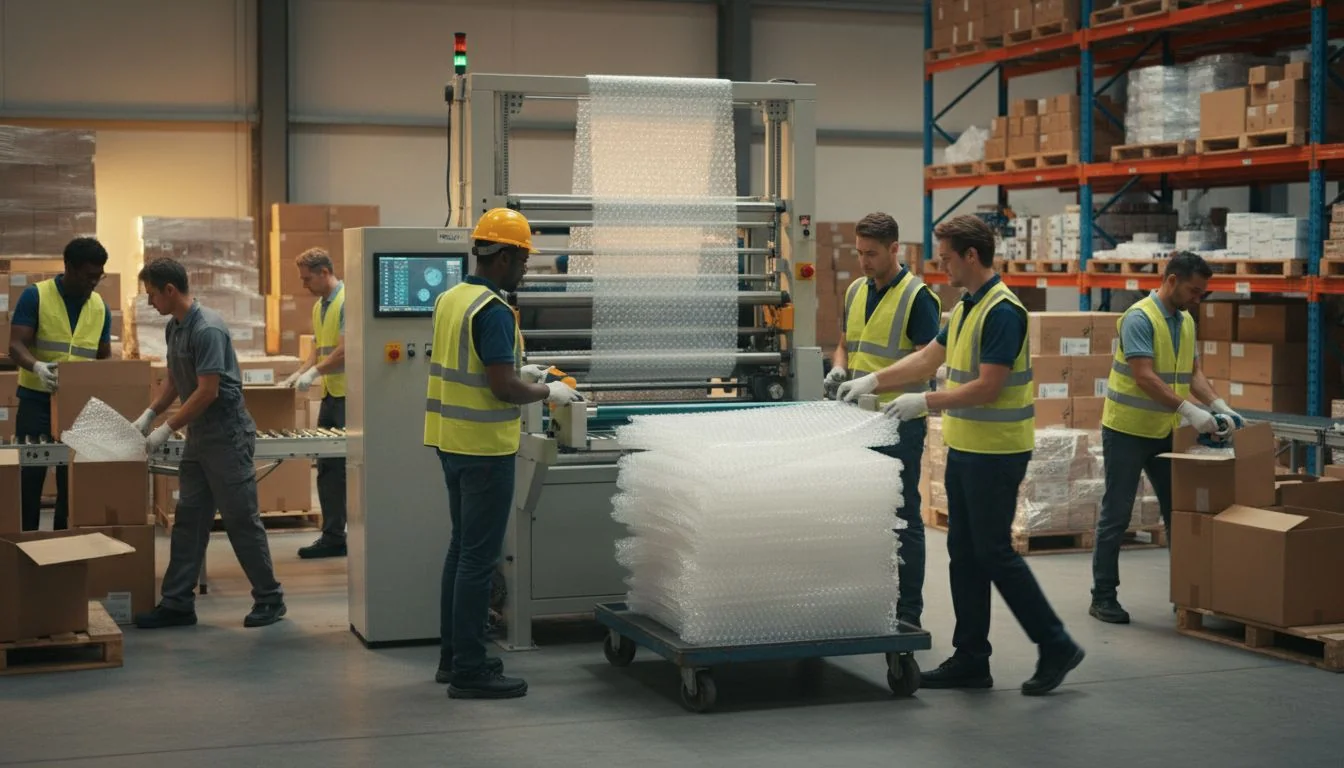
A bubble wrap cutting machine on its own won’t meet demand if the rest of your packaging workflow is unprepared. Throughput depends on the entire system: machine speed, material flow, and operator setup.
For 1,000–3,000 parcels daily, your system needs a cutting speed of 30–60 meters/min, 1–2 operators per shift, and ideally, a buffer conveyor to prevent bottlenecks.
Let’s build this setup step by step.
🧠 Dive Deeper: Scale Your Setup for High-Volume E-commerce Fulfillment
1. Calculate Daily Output Needs
Start by understanding your bubble wrap usage per parcel. Here’s a general benchmark:
| Parcel Type | Avg. Wrap Used/Parcel | Daily Wrap Needed |
|---|---|---|
| Small (jewelry, gadgets) | 0.5m | 500m – 1,500m |
| Medium (books, tools) | 0.8–1m | 800m – 3,000m |
| Large (fragile electronics) | 1.5m+ | 1,500m – 4,500m |
So, for 3,000 medium parcels, you’ll need 3,000 meters of wrap per day.
✅ Solution:
Choose a cutting machine that sustains 40–60 meters/min under continuous operation.
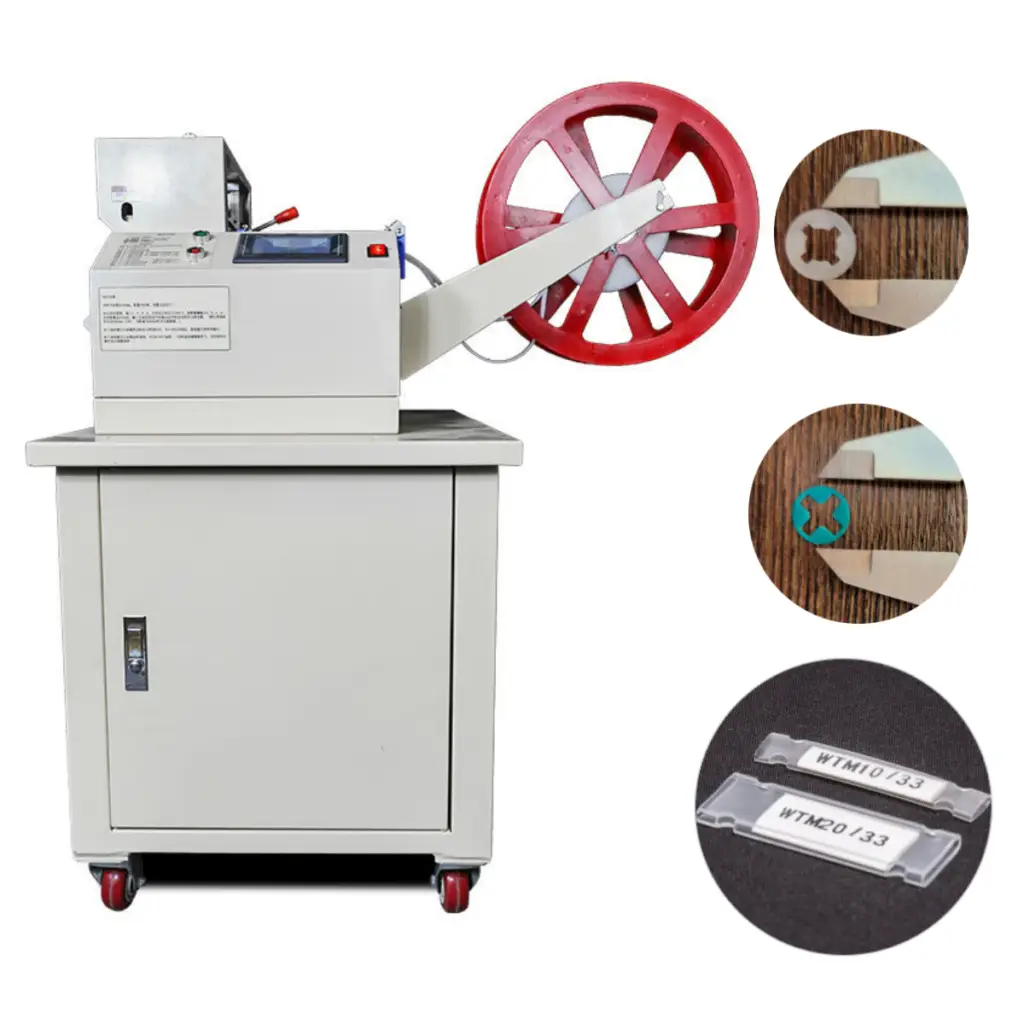
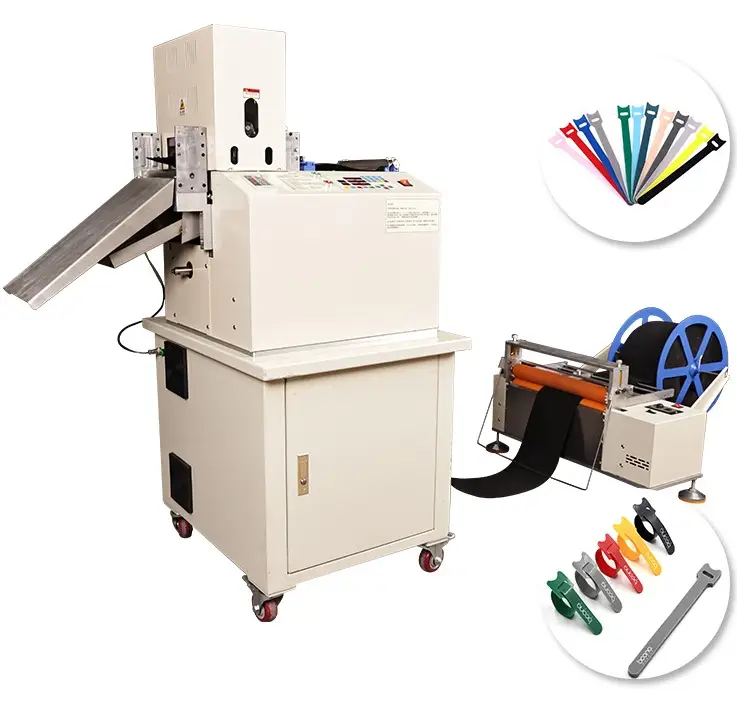
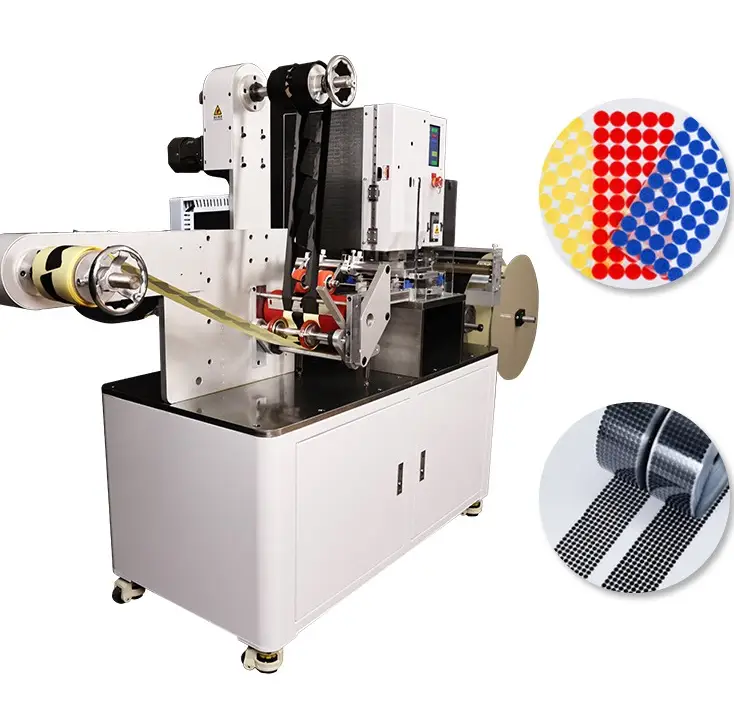
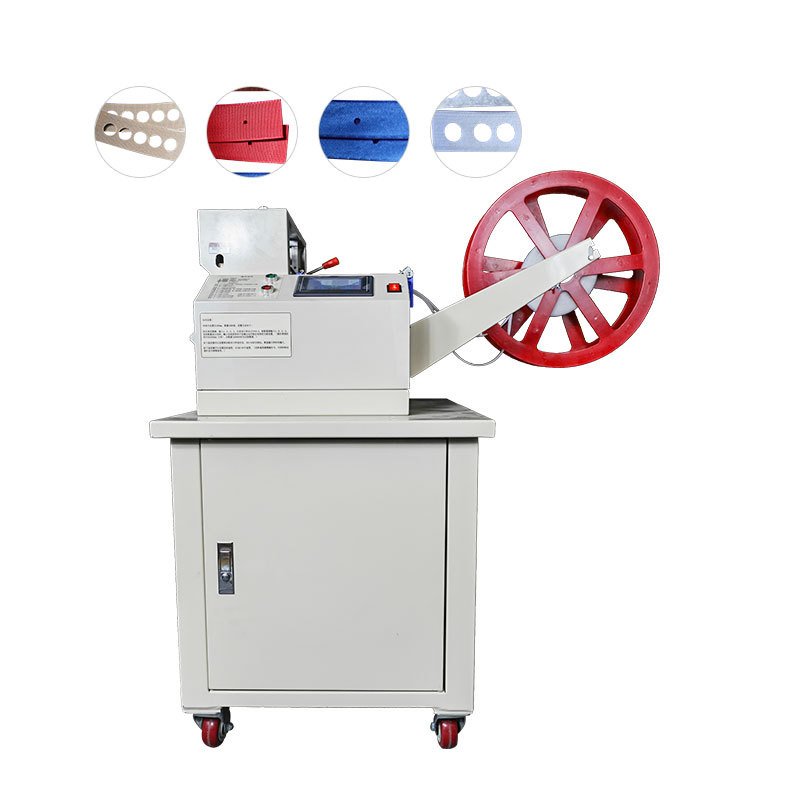
Our Protective Foam Cutting Machine and Bubble Wrap Cutting Machine from Suzhou Haoxinhe Electrical Equipment Co., Ltd. are built for this—delivering reliable cuts up to 60 m/min with digital controls and stable feed rollers.
2. Build a Buffer Zone with Conveyors
Cutting fast isn’t enough. Without proper staging, operators are left scrambling or waiting for material.
Buffer conveyors or collection bins between the cutter and packing tables let you decouple cutting speed from packing speed.
| Component | Function | Tip |
|---|---|---|
| Exit Conveyor | Collects cut sheets automatically | Choose 1.5–2m length for stacking |
| Adjustable Roller Table | Aligns sheets for operators | Keeps flow clean and safe |
| Sensor-Triggered Stop | Pauses cutter when buffer full | Avoids overflow and mess |
💡 Pro Tip: Add a low-cost foot pedal or sensor to let operators pause/start the cutter when needed—this saves materials during rushes.
3. Assign the Right Number of Operators
From my experience with Canadian and European clients, here’s the rough staffing rule:
- 1 operator can pack ~300–500 parcels/day manually
- 2 operators using automated sheet cutting + staging can handle up to 1,500–2,000
- 3+ operators are needed when handling bulk orders with variable sizing or fragile goods
| Daily Volume | Recommended Operators | Machine Speed Needed |
|---|---|---|
| 1,000 parcels | 1–2 | 30–40 m/min |
| 2,000 parcels | 2–3 | 40–50 m/min |
| 3,000 parcels | 3–4 | 50–60 m/min |
4. Material Loading and Pre-Cut Modes
During high season, every second counts.
Use a machine that supports:
- Pre-cut modes: Cut common lengths in advance during slow shifts
- Auto feeding: Motorized unwinders for large rolls
- Multi-length presets: Save time when switching parcel sizes
All HAOXINHE machines, including the Webbing Ribbon Cutting Machine and Hot and Cold Cutting Machine, feature programmable length presets and optional auto-unwinding systems to reduce manual setup.
5. Maintenance and Downtime Prevention
E-commerce peaks = No time for breakdowns.
To stay operational for 10–12 hours daily, prepare:
- Spare blades or heat wires
- Backup power strip
- Daily dust cleaning schedule
💡 I advise our clients to run a 5-minute test cycle before each shift during high season. This catches misfeeds, alignment issues, or error codes early.
🛠 Recommended Machines for Peak Season
For a balance of throughput and reliability, these machines from Suzhou Haoxinhe Electrical Equipment Co., Ltd. are built for e-commerce scale:
| Machine Model | Speed (m/min) | Material Support | Notes |
|---|---|---|---|
| Bubble Wrap Cutting Machine | 30–60 | Bubble wrap, PE foam | Supports pre-cut stacking |
| Protective Foam Cutting Machine | 40–70 | Foam, film, kraft paper | Ideal for mixed packaging |
| Webbing Ribbon Cutting Machine | 20–40 | Narrow strips, labels | Good for lightweight packs |
| Hot and Cold Cutting Machine | 30–50 | Laminated & plastic film | Dual heat/cold blade options |
Conclusion
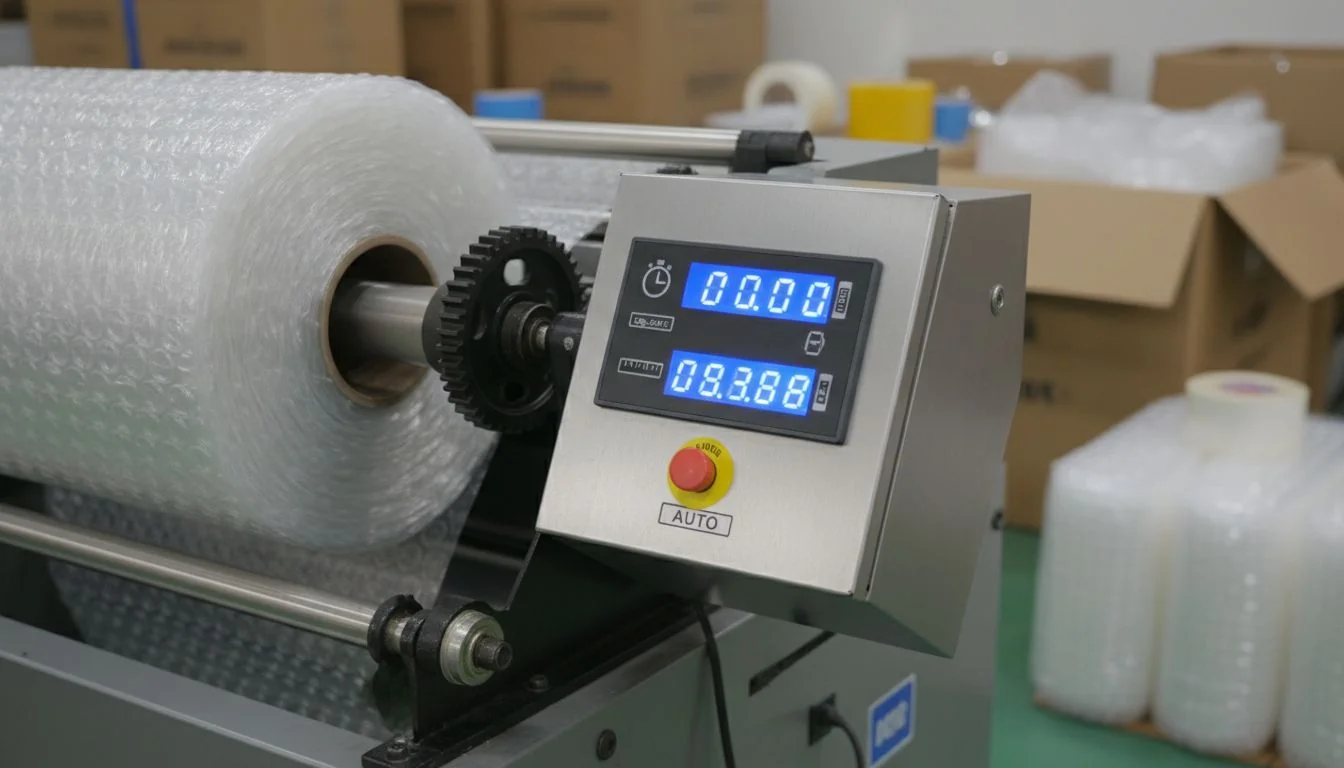
During e-commerce peaks, the right cutting machine setup can prevent costly slowdowns and keep parcels moving.
🔍 Insights
Industry Insight: How to Bulletproof Your Cutting Workflow for E-Commerce Peaks
Peak seasons like Black Friday or Christmas expose the weak links in fulfillment faster than anything else. I’ve walked into warehouses where teams of five still couldn’t keep up—not because they lacked manpower, but because the cutting setup became the bottleneck.
If you’re handling 1,000+ parcels/day, a basic desktop cutter just won’t cut it—literally. You need machines rated for 40–60 m/min sustained, not just peak burst speed. At Suzhou Haoxinhe, we’ve optimized setups for e-commerce clients who went from 500 to 3,000 parcels/day. The key? Decoupling cutting from packing using buffer conveyors and pre-cut modes. This allows the cutter to run continuously, even if operators fall behind.
One client in Spain used a hot/cold cutter with an auto-unwinder and buffer bin. With just two operators, they processed 2,500 parcels/day—and finished early.
The real win? Consistency. When your cutting system can run 10+ hours without drift, jams, or reload delays, everything else flows better. Don’t scale chaos—scale with control.
To process 1,000–3,000 parcels per day, e-commerce fulfillment centers need cutting machines with 40–60 m/min speed, 1–3 operators, and buffer conveyors for flow control. Suzhou Haoxinhe Electrical Equipment Co., Ltd. offers tailored solutions like the Bubble Wrap Cutting Machine and Protective Foam Cutting Machine, designed for sustained performance during peak seasons. Add automation and conveyor staging to transform bottlenecks into smooth, scalable workflows.