How to choose between manual and automatic dog collar punching machines?
Choosing the wrong type of punching machine can lead to slow delivery times, low profits, and frustrated customers.
If you’re producing over 200 collars per hour, automatic punching machines1 are more cost-effective than manual ones, despite higher upfront costs.
1: Selecting between manual and automatic dog collar punching machines hinges on production volume2 and workflow demands.
2: Manual machines are cost-effective and ideal for small batches, custom designs, or prototyping.
3: Automatic machines deliver high-speed, consistent output, perfect for large-scale production.
4: Automation enhances efficiency, reduces labor costs, and ensures uniform quality.
5: Evaluate your output goals and budget to choose the most suitable punching solution.
I used to think a manual dog collar punching machine was enough. But as orders grew, delays piled up. Now I know: machine choice isn’t just about budget—it’s about matching speed to demand.
Production output comparison: 120 vs 400 collars/hour with setup time analysis3?

Manual punching feels more flexible. But once you hit 200+ collars per hour, it becomes inefficient. You lose time in setup, positioning, and fatigue.
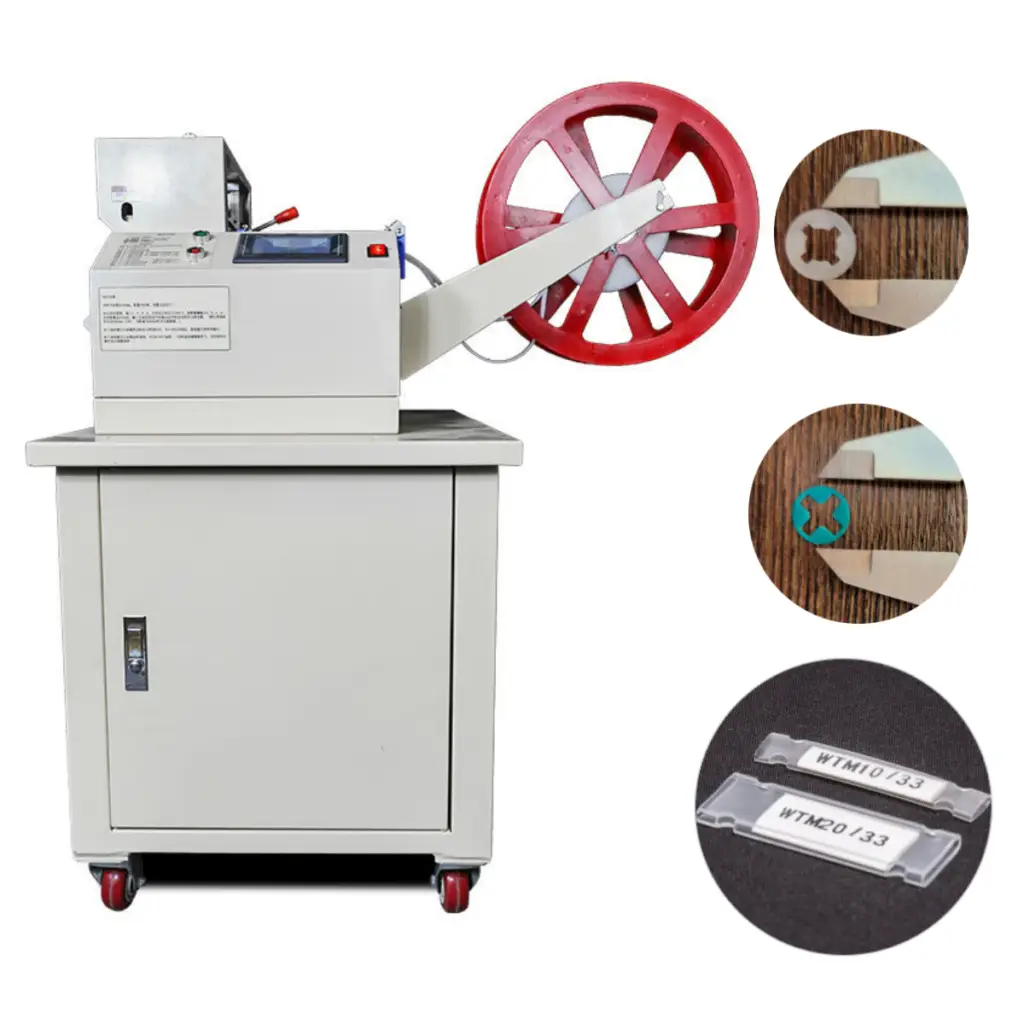
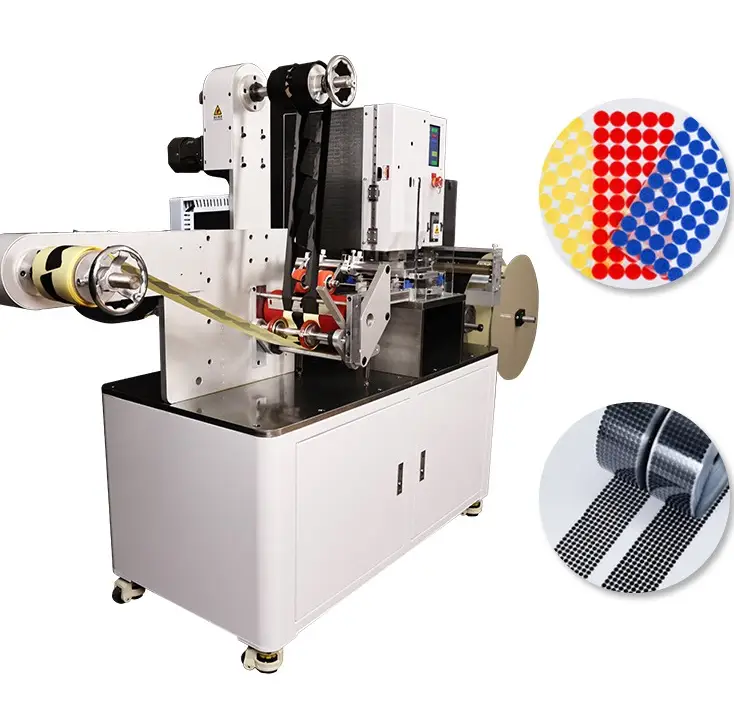
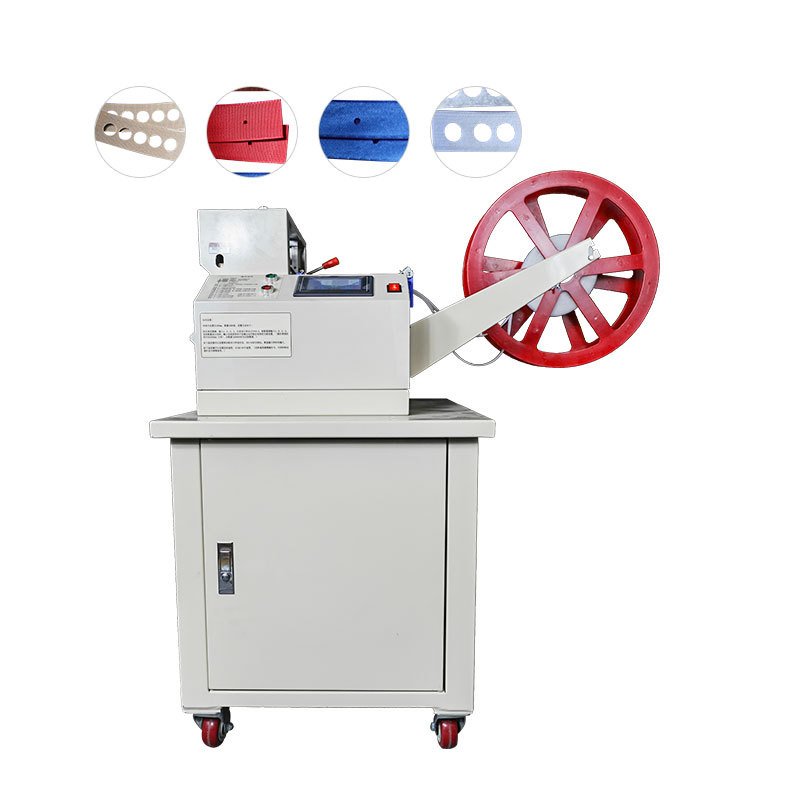
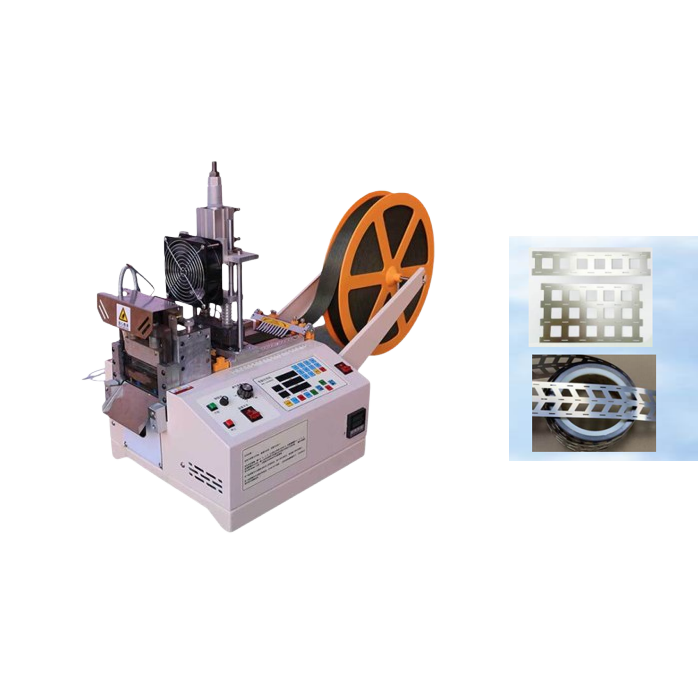
Manual machines average 120 collars/hour, while automatic machines like Suzhou Haoxinhe’s automatic punching cutting machine can reach 400/hour—even after setup time.
Let’s break it down with real numbers from my production floor.
Output per hour: Manual vs Automatic
| Machine Type | Avg Output/hour | Setup Time | Daily Capacity (8 hrs) |
|---|---|---|---|
| Manual Punching | 120 collars | 10 min | ~900–960 collars |
| Automatic Punching | 400 collars | 30 min | ~2,800–3,000 collars |
At first glance, the setup time for automatic machines seems long. But once they start, they don’t slow down. Manual machines, however, depend on the operator’s stamina and focus.
Setup time analysis
Manual setup is faster—typically 10 minutes. But every hour, the operator slows down due to fatigue. I’ve timed it:
- First hour: 130 collars
- Fourth hour: drops to 90–100
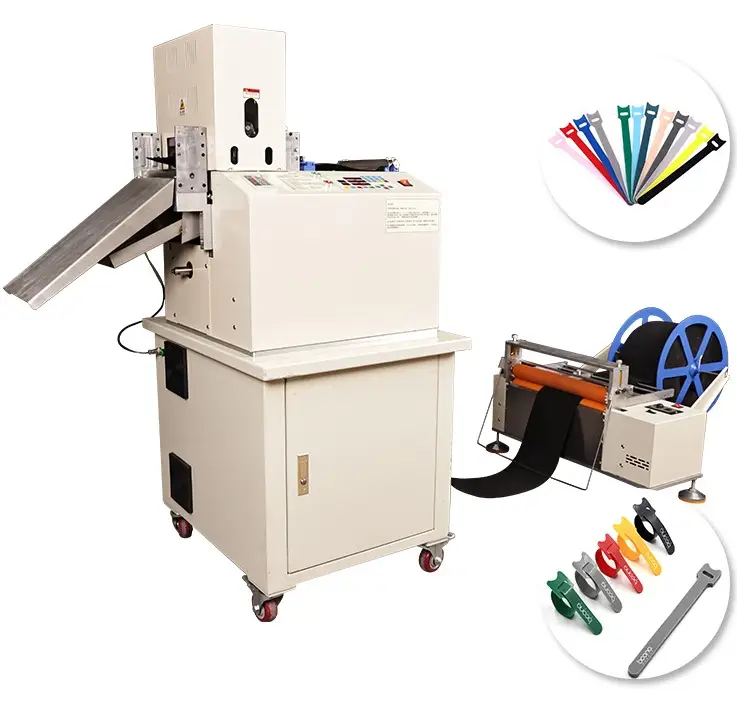
In contrast, my rotary bevel cutting machine and automatic punching cutting machine from Suzhou Haoxinhe Electrical Equipment Co., Ltd.4 maintain stable output throughout the day. That consistency matters when you’re running a B2B wholesale operation5 like mine.
And here’s what I learned about hidden costs:
Hidden costs of manual machines6
- Inconsistent hole alignment → Increased QC time
- Operator fatigue → More breaks, slower output
- Training time → New staff need days to reach target speed
On the other hand, automatic machines (like Haoxinhe’s high-speed trademark cutting machine7 or webbing ribbon cutting machine) reduce operator dependency. With one person managing multiple machines, I’ve cut labor costs by 40%.
When is manual still a good option?
If you’re:
- Making custom or short-run orders (under 100 collars/day)
- Just starting out with limited capital
- Testing prototypes or handmade collections
Then yes, manual machines6 make sense.
But for high-volume B2B exports or large wholesale clients, automatic is the clear winner.
Conclusion
For high-output operations, automatic dog collar punching machines deliver 3x the output of manual ones—ideal for growing manufacturers.
Insights
In over two decades of advising factories on punching machinery upgrades, I’ve noticed a clear tipping point: once production demand crosses 200–250 collars/hour, manual machines6 start costing you more than they save.
Here’s what many first-time buyers miss—manual machines6 create hidden inefficiencies that only show up after weeks of operation. Fatigue leads to skipped holes or misalignments, and each defect forces a full product rework. That’s hours lost weekly on avoidable mistakes.
When we switched clients to automatic machines from Suzhou Haoxinhe, they not only tripled output, but also cut training time8 by 70%. A semi-skilled operator can manage multiple automatic lines with just a few hours of onboarding, versus the weeks it takes to master precision punching manually.
One more insider tip: automatic machines improve customer trust. We’ve seen bulk buyers return for repeat orders purely because product consistency improved—especially spacing and alignment.
So yes, manual is good for artisans. But if you’re running a scalable business, go automatic. The ROI isn’t just in quantity—it’s in quality, staffing, and long-term brand reliability.
Buyers sourcing from Suzhou Haoxinhe Electrical Equipment Co., Ltd.4 should consider automatic punching cutting machines when output exceeds 200 collars/hour. Though initial setup is longer, consistent performance and labor savings make them the smart choice for scale.
Explore how automatic punching machines can enhance production efficiency and output for your business. ↩
Understand the importance of production volume in selecting the right punching machine for your needs. ↩
Discover how setup time influences overall production efficiency and output. ↩
Discover the range of machinery offered by Suzhou Haoxinhe that can enhance your production capabilities. ↩ ↩
Gain insights into optimizing B2B wholesale operations for better efficiency and customer satisfaction. ↩
Learn about the scenarios where manual machines are still a viable option for small-scale production. ↩ ↩ ↩ ↩
Investigate the advantages of high-speed cutting machines for improving production rates. ↩
Learn how training time varies between manual and automatic machines and its effect on productivity. ↩