How much does an aluminium foil cutting machine cost in bulk industrial orders?
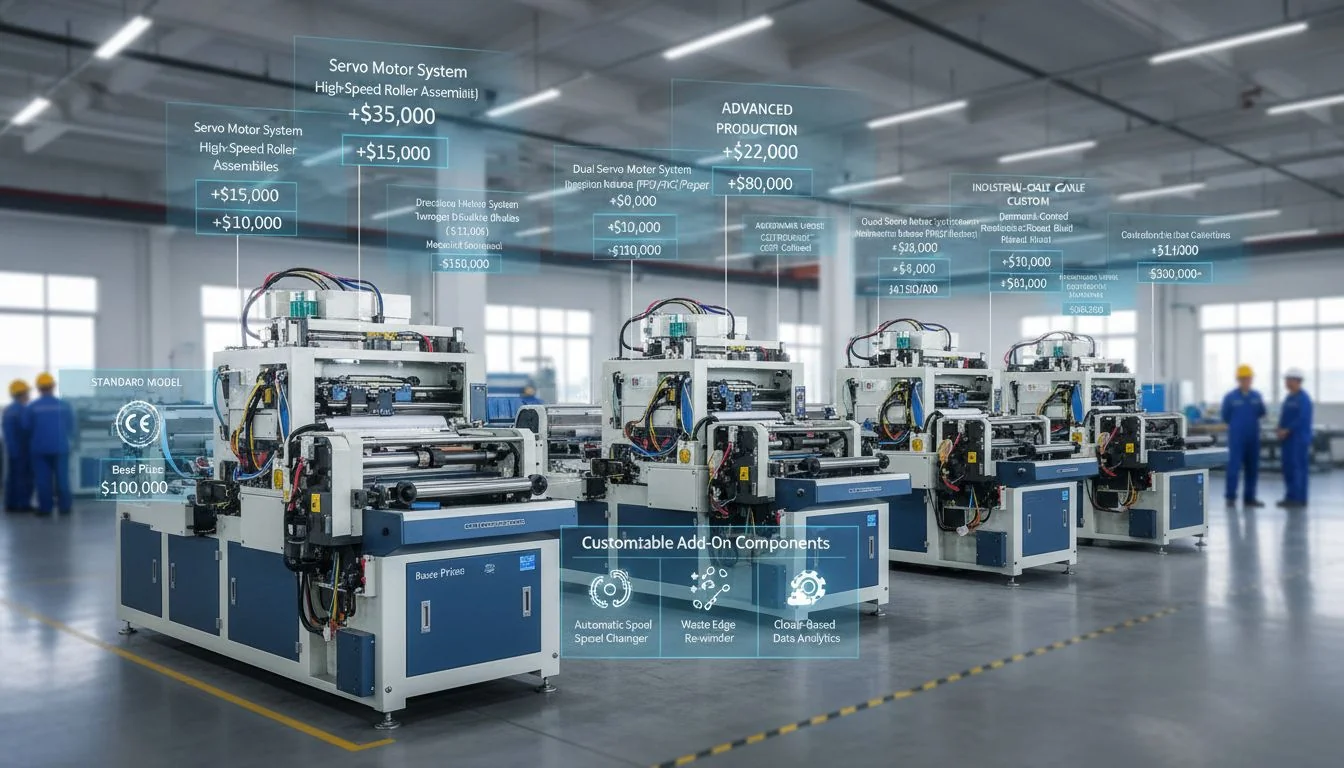
Planning a bulk order but unsure how much to budget?
Aluminium foil cutting machines for bulk industrial orders typically range from $1,000 to $3,000 per unit, depending on capacity, automation level, and customization needs. Volume discounts apply starting at 3–5 units.
Whether you’re expanding your own factory or reselling under your brand, understanding bulk pricing is critical. Let’s break down the cost ranges and what you can expect to pay depending on your application.
What factors influence pricing for high-capacity foil cutting machines?
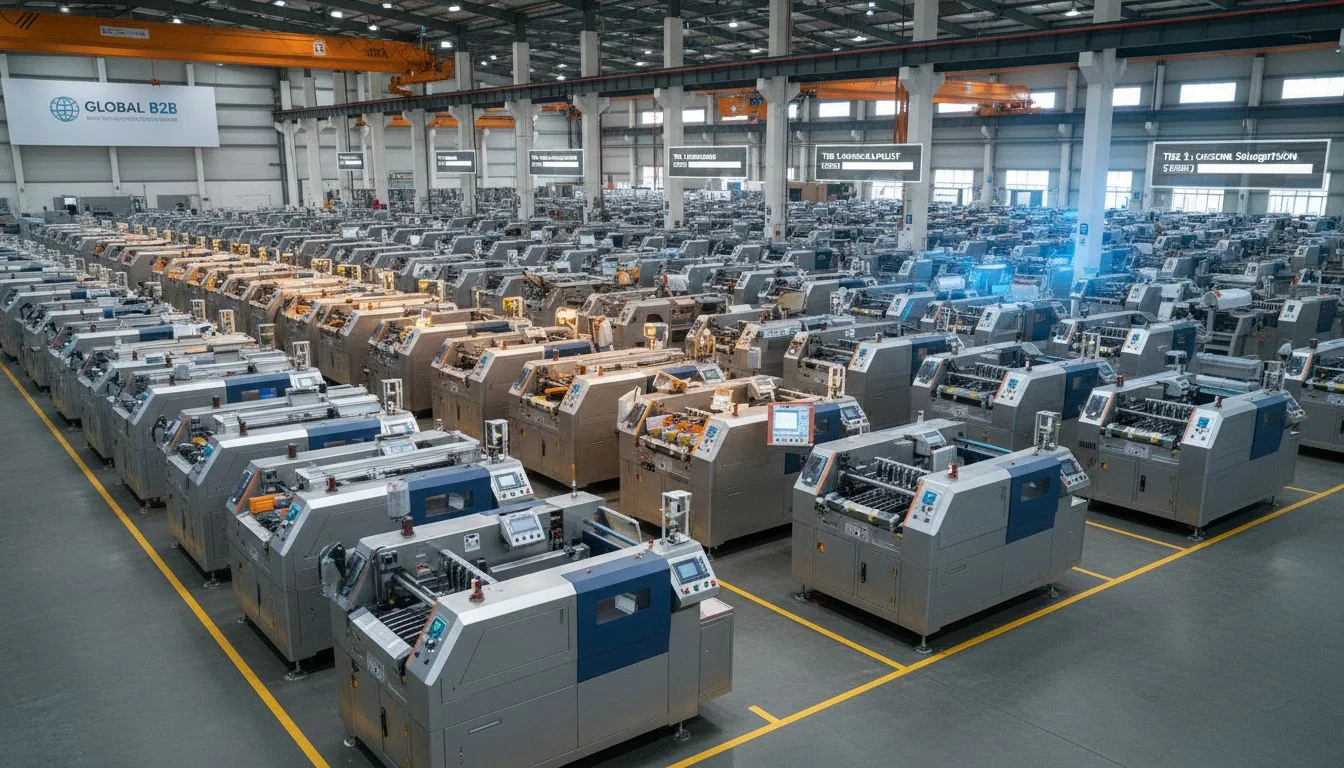
Prices vary—not because of brand markup alone, but due to technical specs, motor systems, and automation features.
Machine pricing depends on factors like cutting speed1, precision, blade type, automation level2, material compatibility3, build quality, certifications, and whether customization4 is needed.
Let’s explore each of these factors so you can confidently evaluate offers and negotiate with suppliers.
💸 Average Price Ranges by Type (2026)
| Machine Type | Price Range (USD) | Typical Use Case |
|---|---|---|
| Basic manual foil cutter | $800–$1,200 | Low-volume, semi-industrial |
| Standard servo-driven cutting machine | $1,200–$2,000 | Mid-volume factories (packaging, food wrap) |
| Fully-automated high-speed cutting system | $2,000–$3,000 | Continuous high-speed production lines |
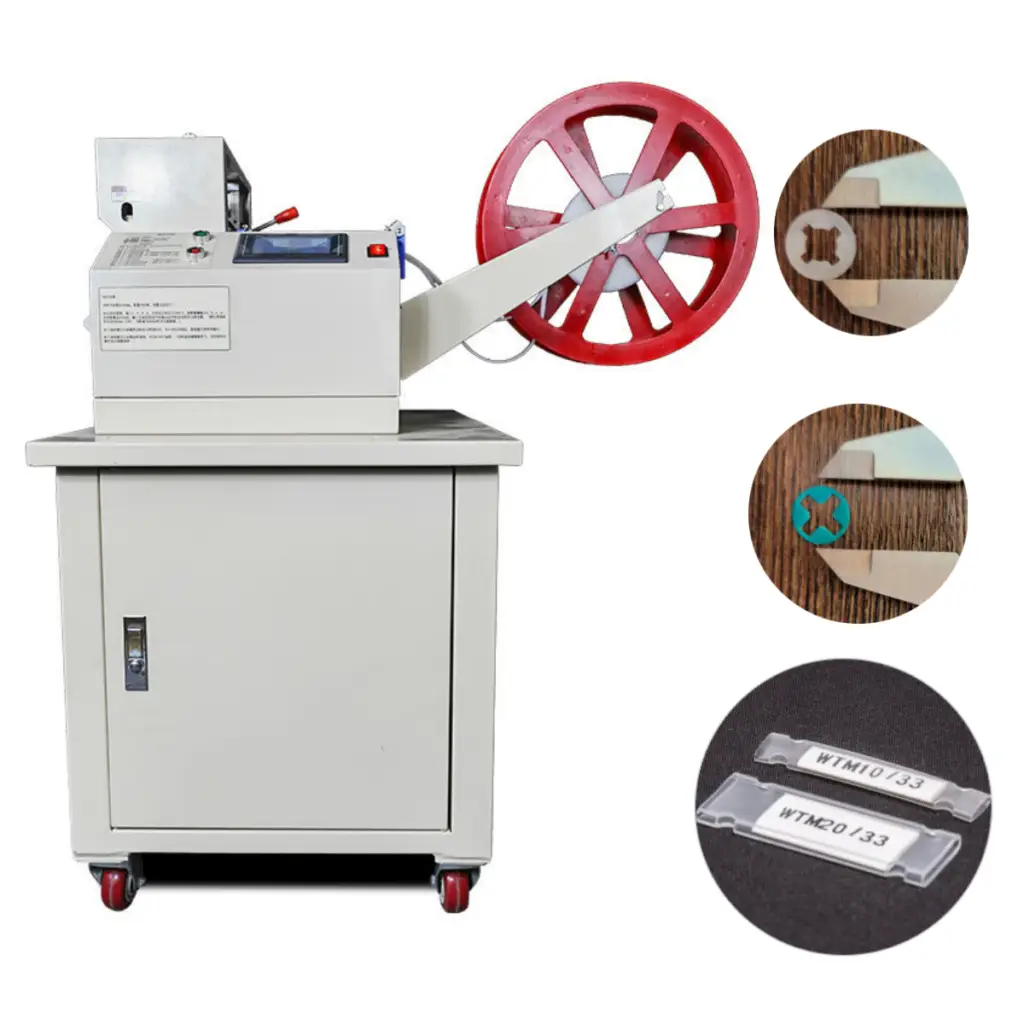
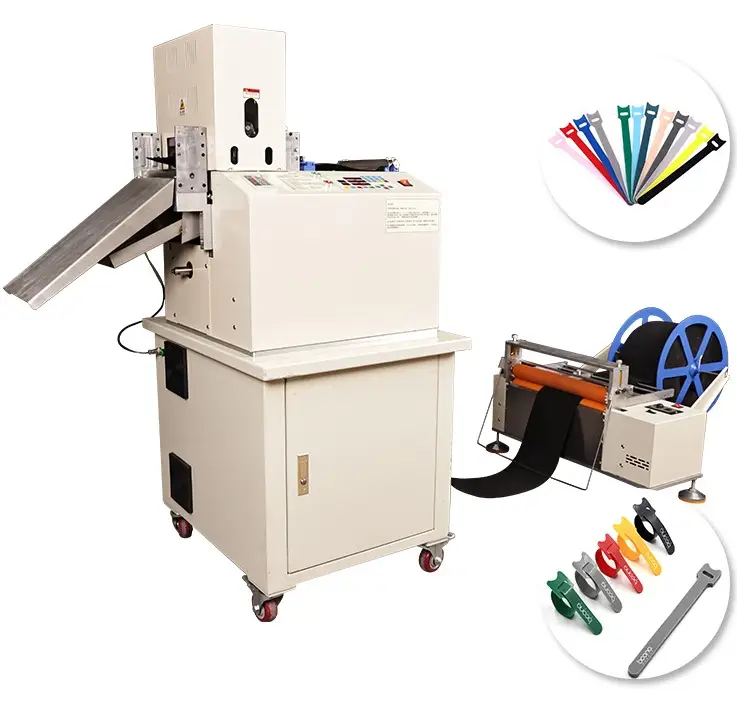
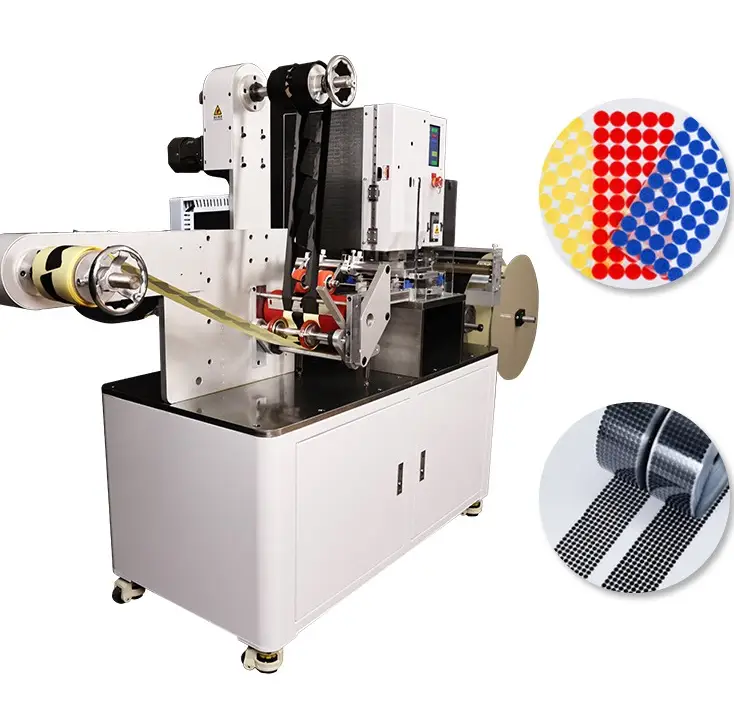
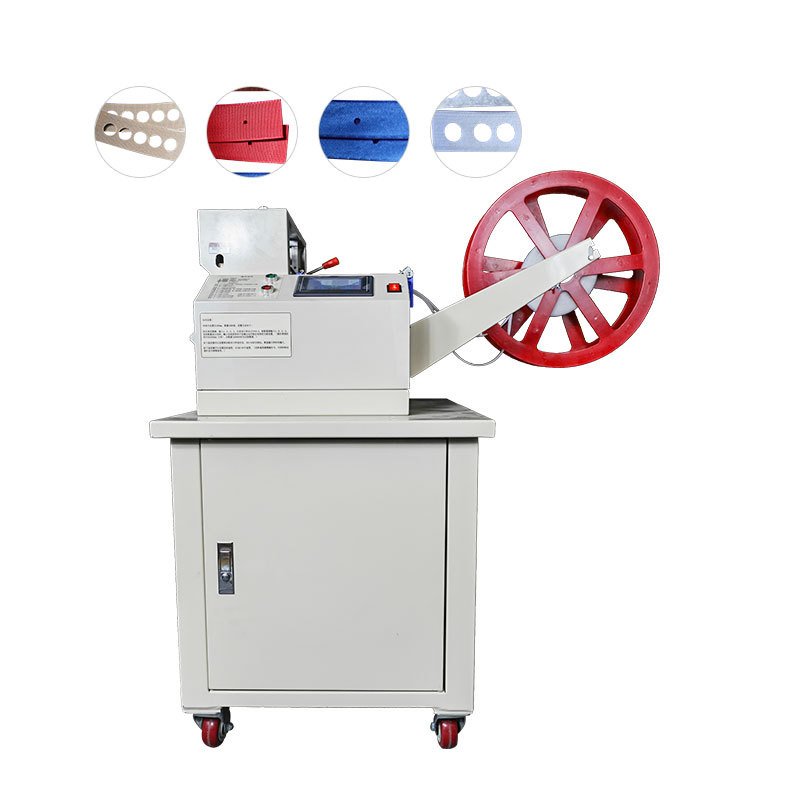
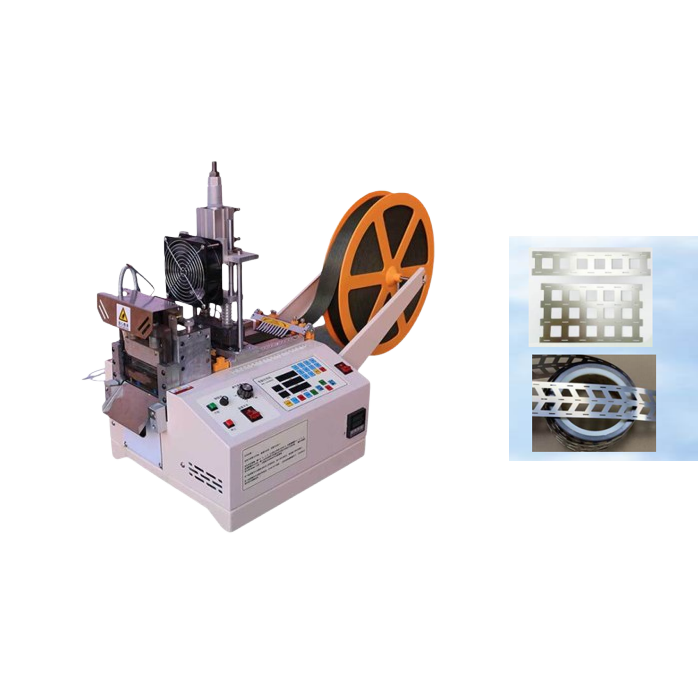
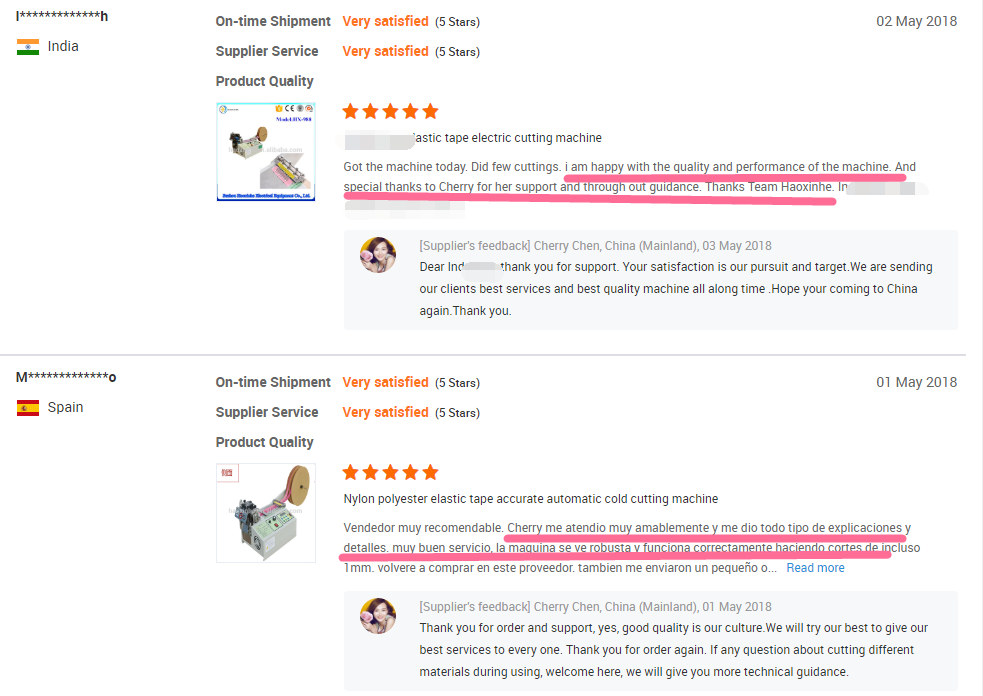
At Suzhou Haoxinhe Electrical Equipment Co., Ltd., our machines—like the webbing tape cutting machine, hot and cold cutting machine, and rotary bevel cutting machine—start from $1,000 and scale based on features like servo control, touchscreen automation, sensor feedback, and custom blade types.
We offer bulk order discounts for 3+ units, especially for B2B distributors or regional agents.
🔍 Key Pricing Factors (Explained)
1. Cutting Capacity and Speed
- Why it matters: Faster machines process more foil per shift.
- Impact on price: Higher speed = more powerful motors, stronger blades.
- Example: A 120m/min servo machine costs more than a 60m/min version.
2. Automation Level
- Why it matters: Reduces labor cost and error rate.
- Options: Touchscreen HMI, servo motors, auto-tension rollers.
- Impact on price: Each feature adds $100–$500.
3. Blade Type and Cutting Style
- Options: Cold knife, hot knife, rotary blade, die punch.
- Custom shapes? Die-based cutters cost more.
- Impact: Die-cutting adds ~$400–$700 depending on tooling complexity.
4. Material Compatibility
- Basic machines: Work with aluminium foil only.
- Advanced models: Handle multi-layer, paper, PVC, foam.
- Impact on price: Multi-material support adds $300–$600.
5. Certifications and Export Readiness
- Regions: EU (CE), North America (UL/CSA), Asia (GB/T).
- Impact: Certified machines cost slightly more but avoid customs problems.
- Suzhou Haoxinhe: All exported machines include CE + ISO documents.
6. Customization and Branding
- Custom logo, voltage, blade width? Yes, but costs extra.
- Private labeling: Adds $100–$300 per unit depending on packaging and control panel.
📦 Bulk Pricing Discounts (Typical)
| Quantity Ordered | Discount (%) | Notes |
|---|---|---|
| 3–4 units | 5% | Standard B2B minimum |
| 5–9 units | 8% | Often combined with free spare parts |
| 10+ units | 10–12% | Eligible for custom packaging & shipping support |
| 20+ units | Contact us | Tailored pricing for exclusive regional partners |
We work with wholesalers in Canada, Germany, Singapore, and others who regularly place multi-unit orders. In most cases, they bundle 3–5 types of machines per container to reduce freight cost.
🛠️ Example Package Deal
Here’s a recent order we fulfilled for a client in Europe:
- 4 x Webbing Ribbon Cutting Machines @ $1,300 each
- 3 x Automatic Punching Cutting Machines @ $2,200 each
- 2 x Protective Foam Cutting Machines @ $2,900 each
Total List Price: $18,100
Bulk Discount (10%): -$1,810
Final Price: $16,290 + free blade sets + CE docs included
Clients like these rely on Suzhou Haoxinhe for machines that balance industrial-grade build, global certification, and affordable pricing for bulk resale or in-house use.
📋 Questions to Ask Before Getting a Quote
Before you request pricing, gather these details:
- What materials will you cut?
- Required speed (m/min)?
- Cut length tolerance?
- How many hours/day will the machine run?
- Do you need CE, UL, or other certifications?
- Do you want branding or OEM packaging?
Knowing this helps us or any supplier prepare the right configuration without hidden costs.
Conclusion
Bulk prices vary by specs, but smart buyers focus on total value—automation, speed, and support—not just upfront cost.
🧠 Industry Insights: What Smart Buyers Know About Bulk Machine Pricing
In 2026, the smart factory doesn’t just buy machines—they strategically source them to optimize both CapEx and long-term operational efficiency. From my work advising OEM buyers in the EU and Southeast Asia, here’s what separates savvy procurement teams from average buyers: they focus on lifecycle cost, not just per-unit pricing.
Aluminium foil cutting machines in the $1,000–$3,000 range may look similar at first glance, but differences in servo motor quality, blade wear resistance, and sensor feedback systems lead to huge variances in output stability and maintenance costs. That’s why experienced buyers ask about component sourcing (e.g., are the motors from Delta? Are blades imported from Japan?) before negotiating price.
Suppliers like Suzhou Haoxinhe have carved out a sweet spot: their machines integrate smart automation (touchscreen HMI, jam detection, auto tensioning) at a price point $500–$1,000 lower than most European models, while still delivering CE/ISO certifications. This makes them ideal for bulk buyers seeking cost-effective performance without sacrificing export compliance.
If you’re importing 5+ units, always negotiate for more than just a discount—ask for OEM branding, free tooling, extra blades, or custom voltage packaging. The best suppliers will say yes, because they want long-term regional partners, not just one-off buyers.
Understanding cutting speed can help you make informed decisions about the machines you purchase. ↩
Discover how automation can enhance efficiency and reduce labor costs in your production line. ↩
Find out which materials are compatible with different cutting machines to ensure you choose the right one. ↩
Explore customization options that can tailor machines to your specific operational needs. ↩