How does a precision belt cutter1 improve conveyor durability?
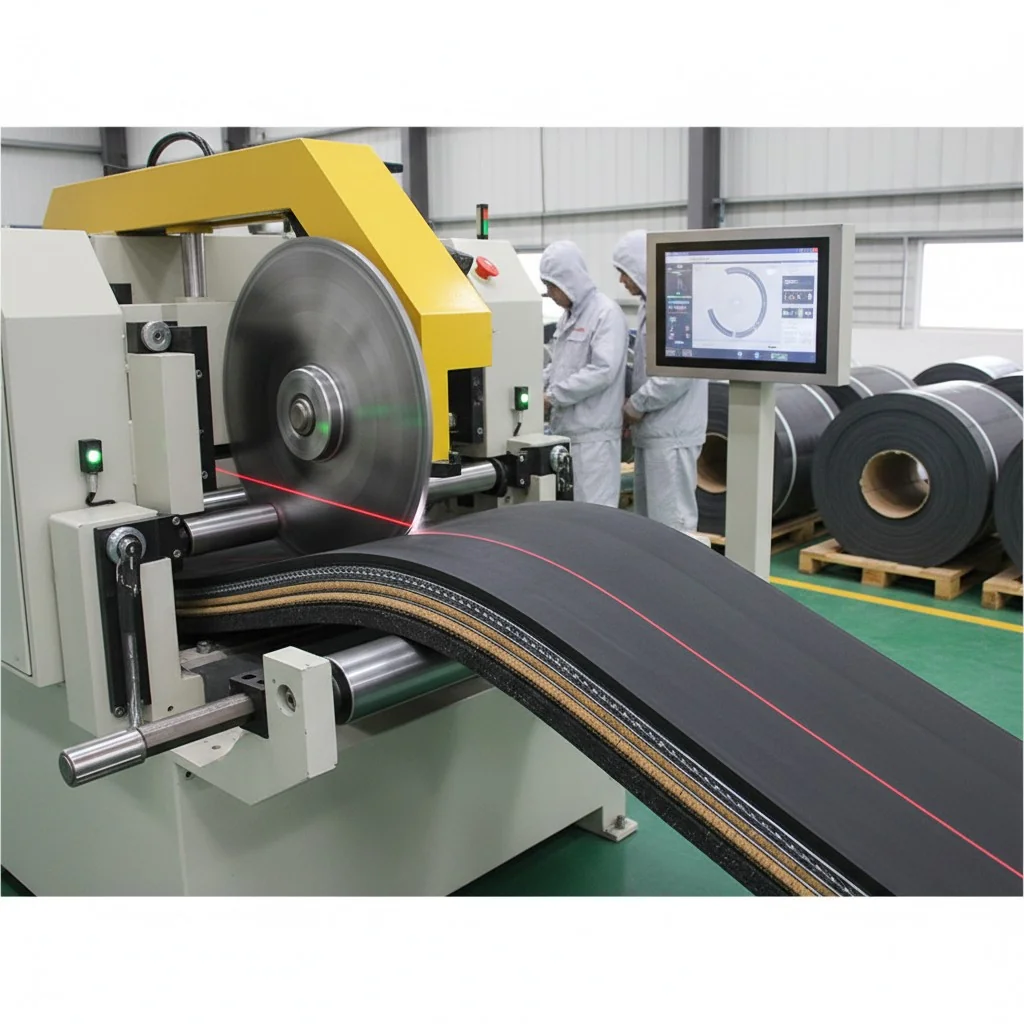
Conveyor belts fail faster when they’re cut unevenly or stressed during fabrication—bad edges create weak points that wear and tear faster in use.
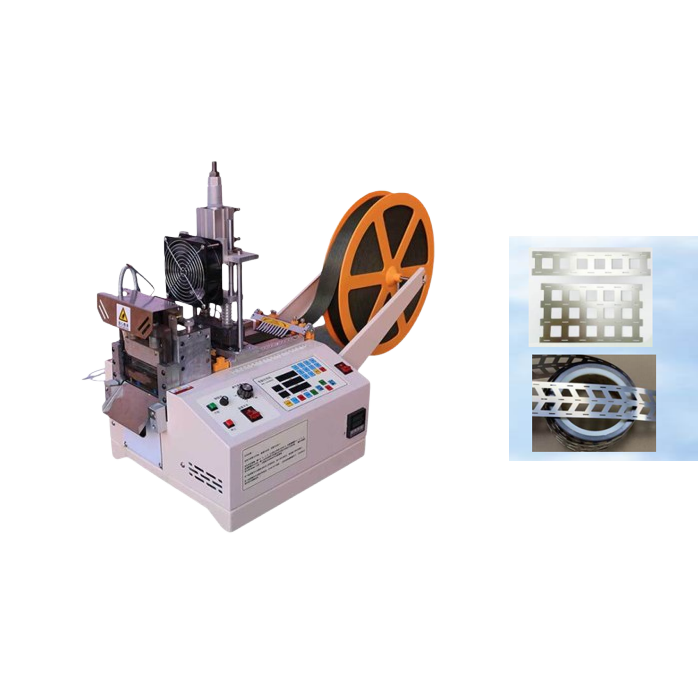
A precision belt cutter1 improves conveyor durability by ensuring clean, even edges, consistent tension distribution, and accurate alignment across multi-layer materials2.
If you manufacture or maintain conveyor belts for logistics, mining, or food processing, you know how vital edge integrity is. We’ve worked with several OEMs and end-users who dramatically reduced failure rates by switching to our automated belt cutting solutions3.
How does a precision belt cutter1 improve conveyor durability?
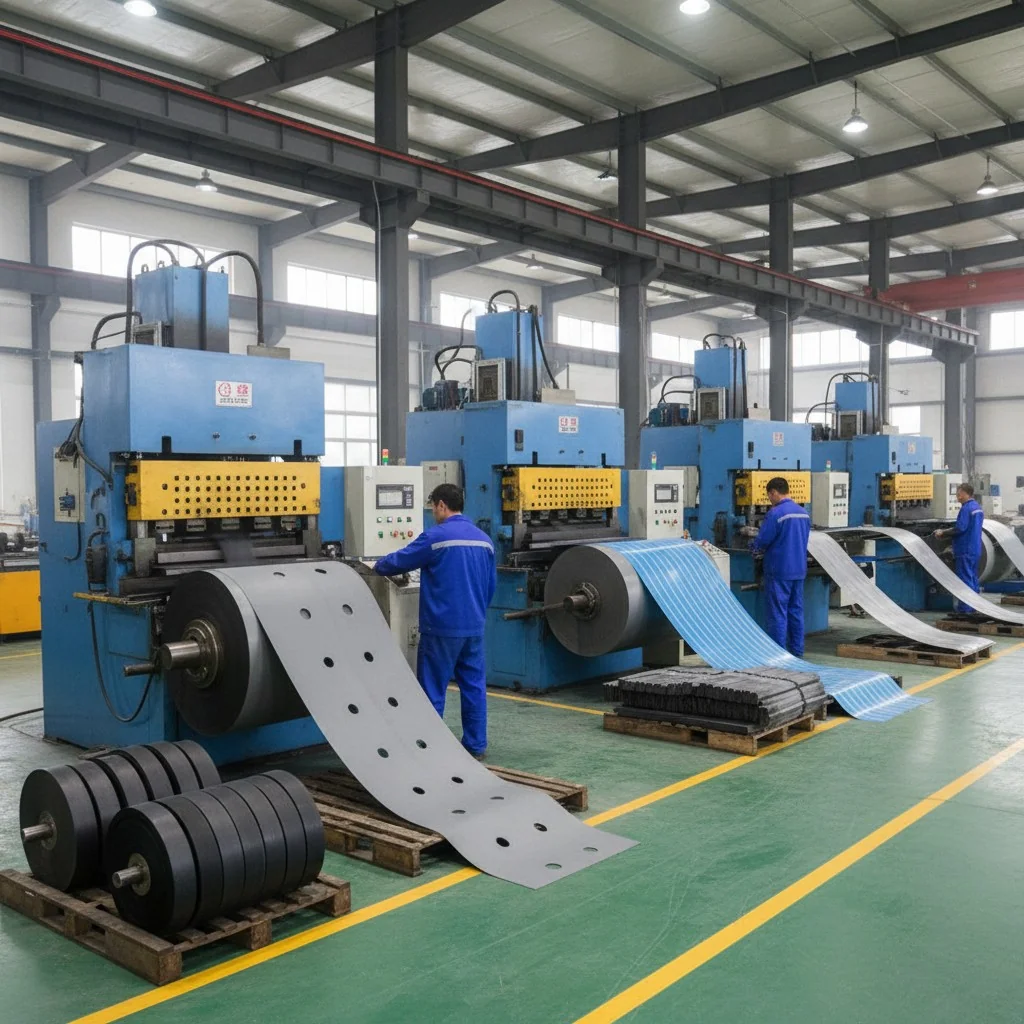
Poorly cut belts are a hidden cause of conveyor downtime—they stretch unevenly, slip out of alignment, and suffer from edge fraying.
Precision belt cutters eliminate these issues by delivering exact, repeatable cuts that improve load balance, reduce tension spikes, and prolong overall belt life.
Conveyor belts are layered composites—often with rubber, PVC, fabric reinforcements, and steel cords. Each material layer has different tension behavior. When the belt is cut manually or unevenly, these materials don’t stretch or carry load equally, leading to:
- Premature tearing at the edges
- Uneven tension across the belt width
- Misalignment and edge tracking issues
- Increased wear on pulleys and rollers
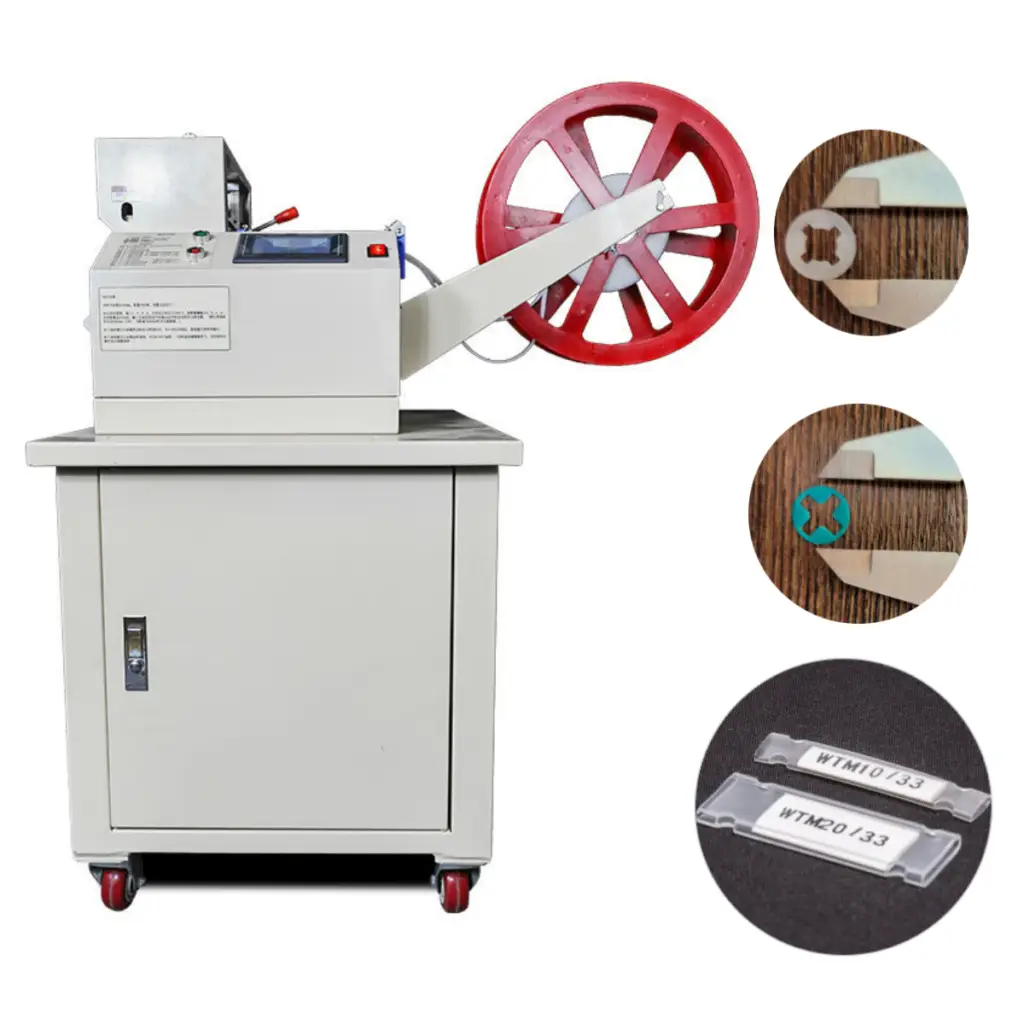
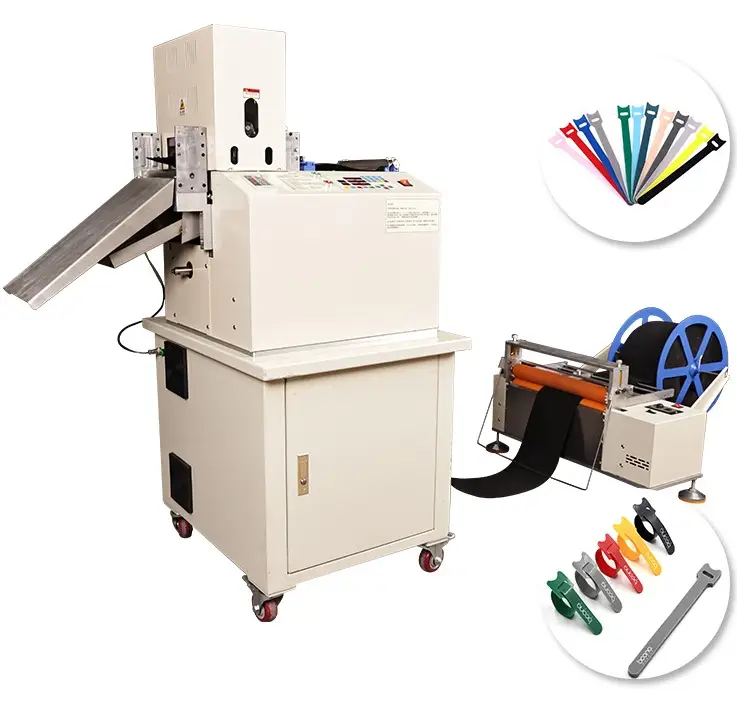
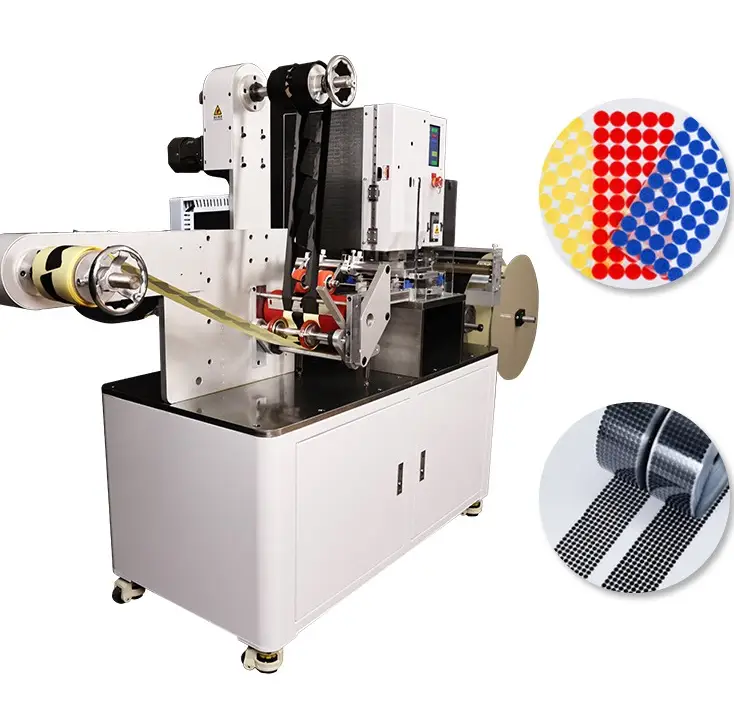
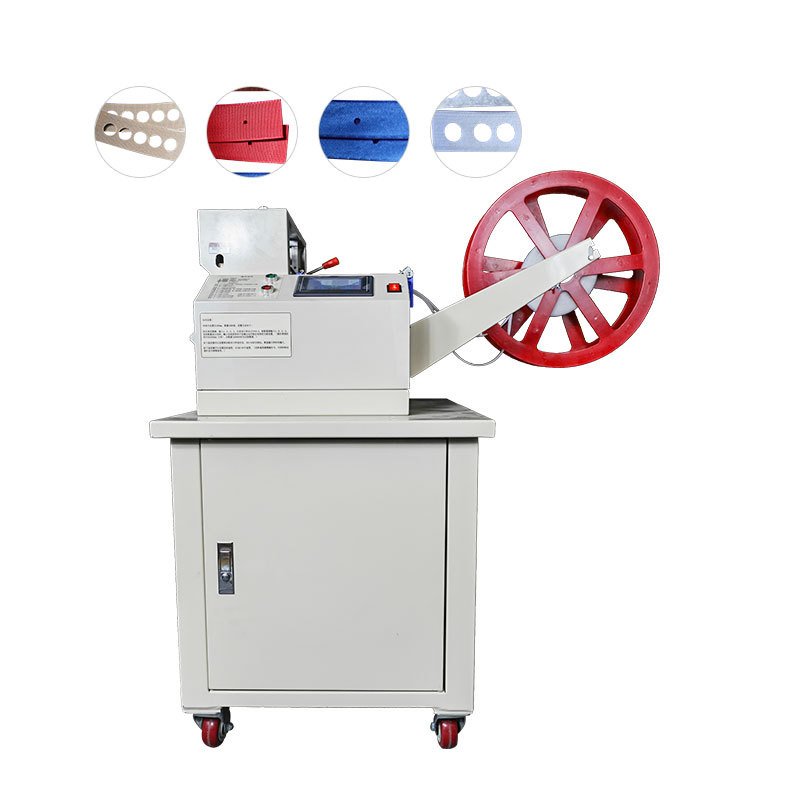
At Suzhou Haoxinhe Electrical Equipment Co., Ltd., we supply high-precision cutting systems such as the rotary bevel cutting machine, automatic punching cutting machine, and different shapes cutting machine, all of which are widely used by conveyor belt manufacturers and maintainers in Europe and Southeast Asia.
Key Benefits of Using Precision Belt Cutters
| Problem with Manual Cutting | Solved by Precision Cutter |
|---|---|
| Jagged or frayed belt edges | Smooth, sealed cuts (±0.1mm tolerance) |
| Uneven width across belt rolls | Consistent edge-to-edge alignment |
| High scrap rate during cutting | Optimized material yield |
| Time-consuming calibration | Pre-programmed, repeatable belt profiles |
| Premature belt wear | Balanced layer integrity |
By using our webbing tape cutting machine, clients cutting narrow conveyor belts (for packaging or food industries) report 2x longer belt life and fewer warranty returns.
Success Story: Reducing Return Rates
A German client producing PVC conveyor belts for bakery lines replaced their manual cutting table with our high-speed trademark cutting machine4. Result:
- Product returns dropped by 55%
- Belt lifespan increased from 6 to 12 months
- Cutting time reduced by 70%
What calibrations are key for multi-layer conveyor belt cutting?
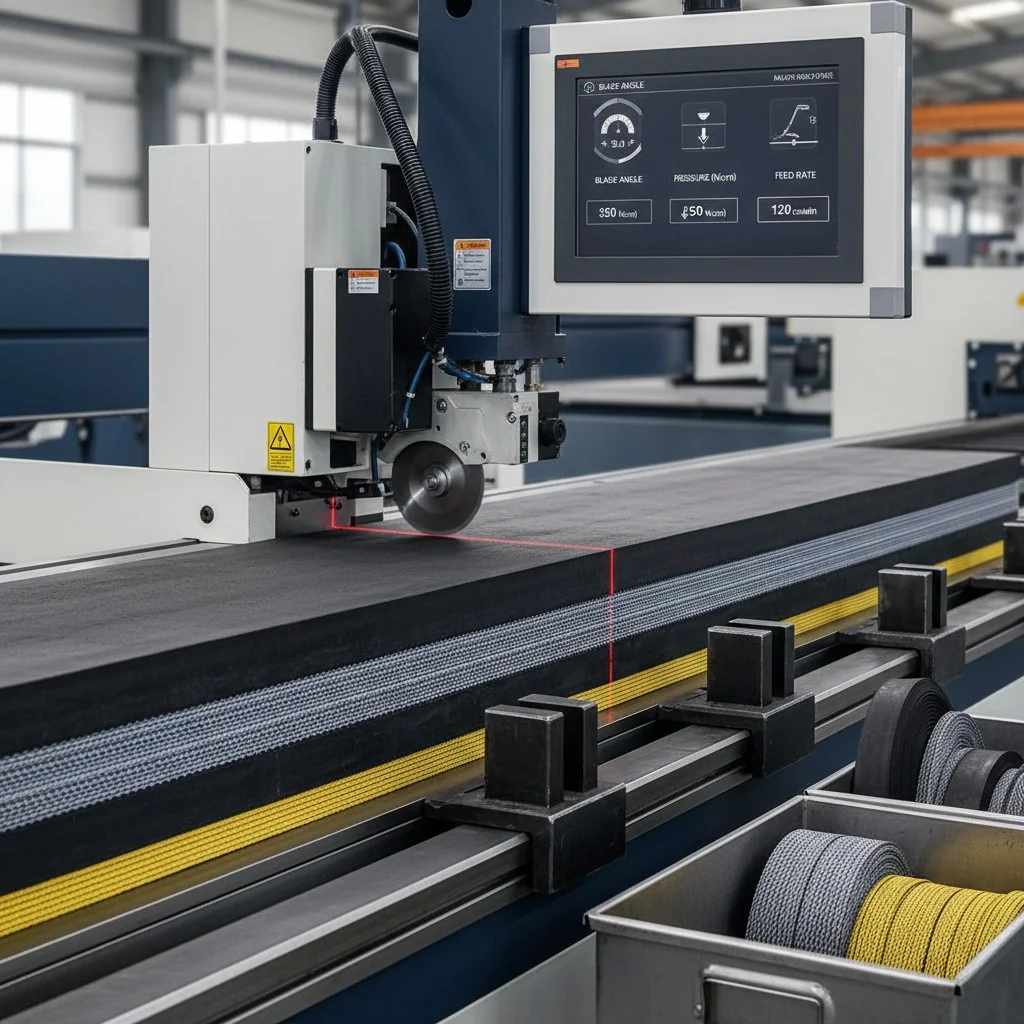
Multi-layer conveyor belts have materials with different densities and tensions—cutting them wrong can weaken structural integrity.
Critical calibrations include cutting depth, blade angle, pressure control, and alignment tracking to ensure all layers are cut cleanly without shifting.
To cut multi-layer belts effectively, your machine must adjust for more than just thickness. That’s where Haoxinhe’s cutting systems excel—we’ve engineered our machines for complex layered materials like:
- PVC + polyester
- Rubber + fabric + steel cord
- PU + foam backing
- Silicone-coated belts
Each layer reacts differently to blade movement. So we provide programmable calibration settings for:
1. Blade Depth Control
This prevents cutting too shallow (incomplete cut) or too deep (damaging conveyor core or surface finish). Our computer tube cutting machine uses digital micrometer controls for depth setting.
2. Cutting Pressure Adjustment
Especially important when cutting soft top layers over rigid cores. The protective foam cutting machine has tension calibration modes to avoid surface compression or layer drag.
3. Blade Angle Tuning
Some belts require bevel cuts or 45-degree edge prep. Our rotary bevel cutting machine allows automated blade angle adjustment for such needs.
4. Edge Tracking and Alignment
Layers shift during high-speed feed. Our machines use photoelectric sensors or laser alignment to keep layers synced from entry to exit.
| Calibration Setting | Purpose |
|---|---|
| Blade Depth (in mm) | Prevents overcut or undercut |
| Blade Pressure (in N/cm) | Avoids squishing or layer drag |
| Edge Alignment Sensor | Tracks multi-layer sheet positioning |
| Speed Feed Rate (mm/s) | Adjusts based on material resistance |
Machine Support for Calibration Features
At Haoxinhe, we ensure our cutting systems—like the wire cutting and stripping machine or round shape cutting machine—come with:
- Touchscreen calibration panels
- Memory functions for preset belt sizes
- Emergency recalibration override
- Optional closed-loop feedback modules (for large-scale plants)
When Calibrations Matter Most
- Cutting 3-layer belts for industrial lifting systems
- Producing food-grade PVC belts with PU coatings
- Trimming final belt width after heat sealing
- Creating custom patterns for belt tracking ribs or notches
In short, proper calibration protects not only your belt investment but also the machinery and people that depend on that belt to run consistently.
Conclusion
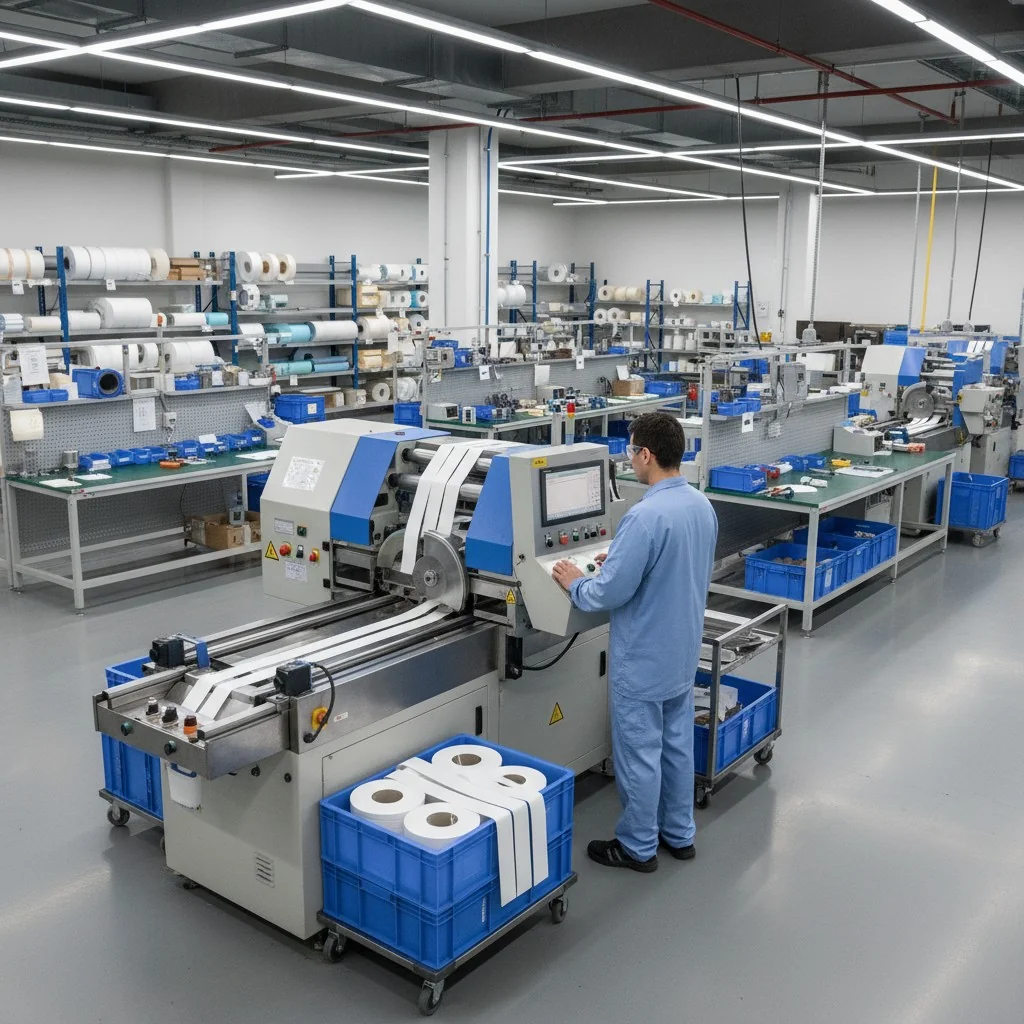
Precision belt cutters protect conveyor systems by ensuring balanced cuts and clean edges that prevent wear, stretching, and downtime.
🧠Insights
In my experience working with conveyor OEMs, the majority of premature belt failures trace back to poor cutting—not wear, not load, but fabrication. When belts are unevenly trimmed or layers shift during cutting, they develop weak edges that start to fray within weeks. And once fraying begins, the damage accelerates under tension and misalignment.
One mining client used to see weekly shutdowns due to belt edge separation. After switching to our rotary bevel cutting system—with multi-layer calibration and servo alignment—they reported a full quarter without a single belt failure. That’s not just saved cost—it’s uptime you can count on.
The big mistake many fabricators make is assuming “cut is cut.” But with composite belts, every layer responds differently to blade pressure, angle, and feed speed. Manual setups or under-calibrated machines don’t account for these variances, leading to uneven stretch behavior and misalignment on pulleys.
If you’re in belt manufacturing and still relying on hand-guided cutters or uncalibrated blades, you’re building in failure. Precision isn’t about speed—it’s about survivability in the field. A smart cutter doesn’t just save time; it extends system life.
Suzhou Haoxinhe Electrical Equipment Co., Ltd. delivers advanced cutting systems for conveyor belt manufacturers. With programmable calibrations, reinforced rotary blades, and edge-alignment sensors, our machines ensure every belt layer is cut cleanly and consistently—extending product life and performance in the field.
Explore how precision belt cutters enhance conveyor durability and reduce failure rates. ↩ ↩ ↩
Explore the complexities of cutting multi-layer materials and how to address them. ↩
Learn about the benefits of automated solutions in improving cutting precision and efficiency. ↩
Find out how this machine can enhance cutting efficiency and reduce waste. ↩