Blade Types Used in Rope Cutting Machines

If your rope ends are fraying or your cuts are uneven, the issue might not be the machine—it’s likely the blade type.
The two most common cutting technologies in rope cutting machines are hot knife and cold knife blades, each with distinct advantages depending on the material and application.
Knowing which blade to choose can make a huge difference in cut quality, efficiency, and maintenance.
Hot Knife vs. Cold Knife Cutting Technology

Using the wrong blade type can lead to poor results, excess waste, or even machine damage—costing you time and money.
Hot knives use heat to cut and seal ropes, while cold knives rely on mechanical force for a clean, sharp slice without melting.
Let’s explore how each cutting method works, what they’re best suited for, and how they relate to polypropylene rope cutting machines like the ones we manufacture at Suzhou Haoxinhe Electrical Equipment Co., Ltd.
What is a Hot Knife Blade?
A hot knife is a heated blade that melts through synthetic materials like polypropylene, nylon, and polyester. As it cuts, it simultaneously seals the rope ends to prevent fraying.
Key Features:
- Operates at 200–600°C
- Ideal for synthetic thermoplastics
- Leaves a sealed, non-fraying edge
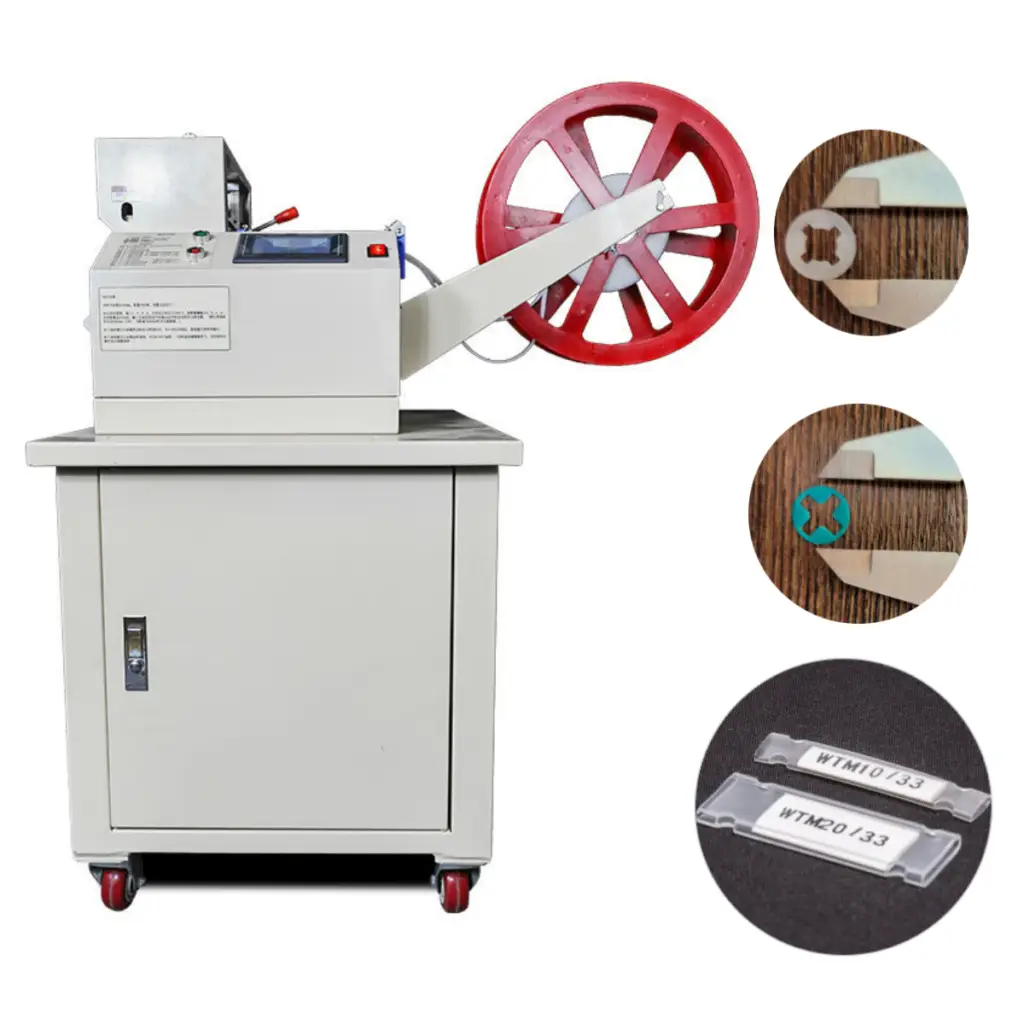
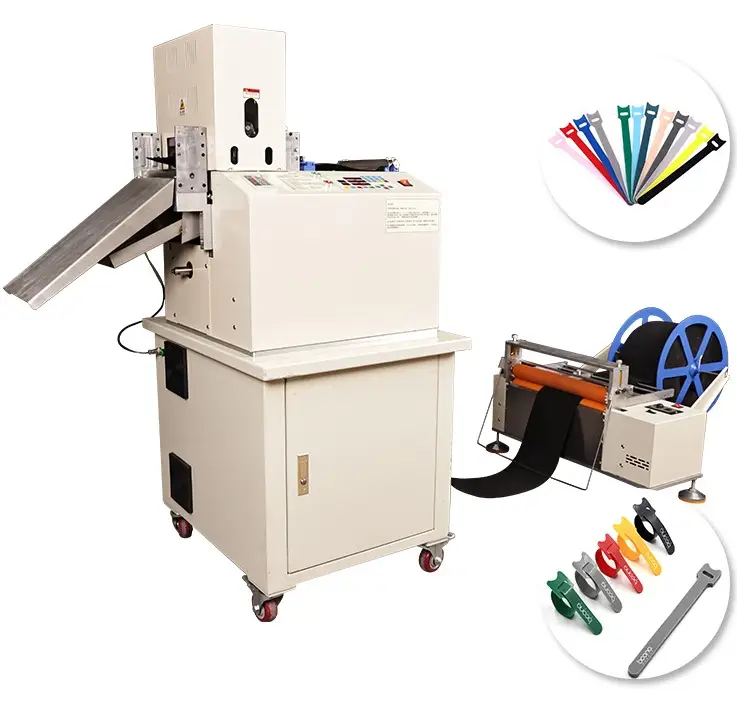
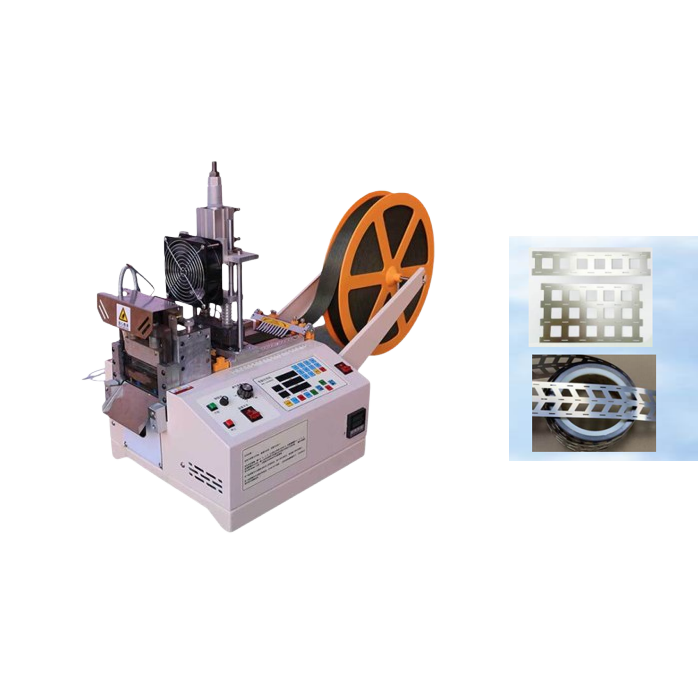
- Often found in webbing tape cutting machines and rotary bevel cutting machines
Pros:
- Prevents unraveling
- Reduces need for post-processing
- Clean edge finish
Cons:
- Slight discoloration or melting residue possible
- Not suitable for natural fibers (cotton, jute)

What is a Cold Knife Blade?
A cold knife uses sharp, non-heated metal blades to slice through the rope. This method is mechanical and produces a clean cut without altering the material.
Key Features:
- No heat involved
- Suitable for all materials (including natural fiber ropes)
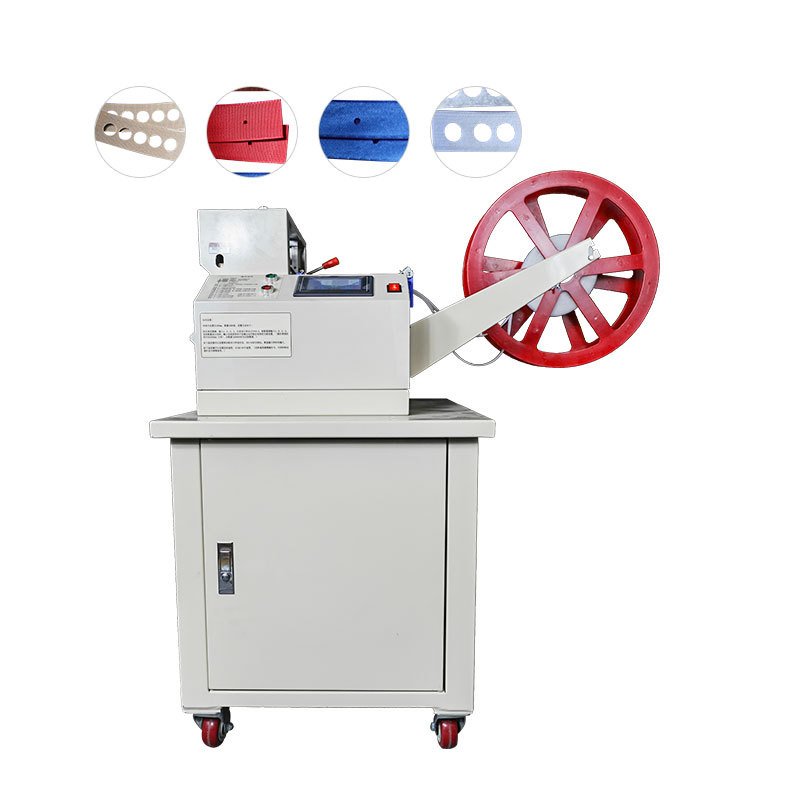
- Often used in round shape cutting machines and automatic punching cutting machines
Pros:
- Cleaner cut with no heat damage
- Compatible with temperature-sensitive materials
- Low energy consumption
Cons:
- May cause fraying in synthetic ropes
- Requires sharper blade maintenance
Side-by-Side Comparison
| Feature | Hot Knife | Cold Knife |
|---|---|---|
| Cutting Method | Melts and seals with heat | Slices cleanly with sharp edge |
| Best for | Synthetic ropes (PP, nylon) | Natural or heat-sensitive materials |
| Fray Prevention | Yes | No |
| Maintenance | Needs heating elements | Needs blade sharpening |
| Energy Consumption | High | Low |
| Edge Quality | Sealed but slightly melted | Sharp and clean |
Which One Should You Choose?
It depends on the material and your desired finish. If you’re cutting polypropylene rope, the hot knife is almost always the better choice because it prevents fraying, which is crucial for:
- Marine and boating industries
- Packaging and bundling applications
- High-volume industrial assembly
If you’re cutting cotton rope or need a cleaner mechanical cut, cold knife blades are more suitable.
At Suzhou Haoxinhe Electrical Equipment Co., Ltd., our hot and cold cutting machines offer dual-mode options, allowing clients to switch based on material type—no need to buy separate machines.
Case Study: A Client Who Upgraded to Dual-Mode
A U.S. client in the HVAC industry needed to cut both PP webbing and cotton rope for insulation straps. We recommended a custom-built hot and cold cutting machine. After switching from manual blades, they cut their production time by 60% and improved cut quality across both materials.
Our flexible machines—including different shapes cutting machines and protective foam cutting machines—are designed for companies like his that deal with varied materials daily.
Conclusion
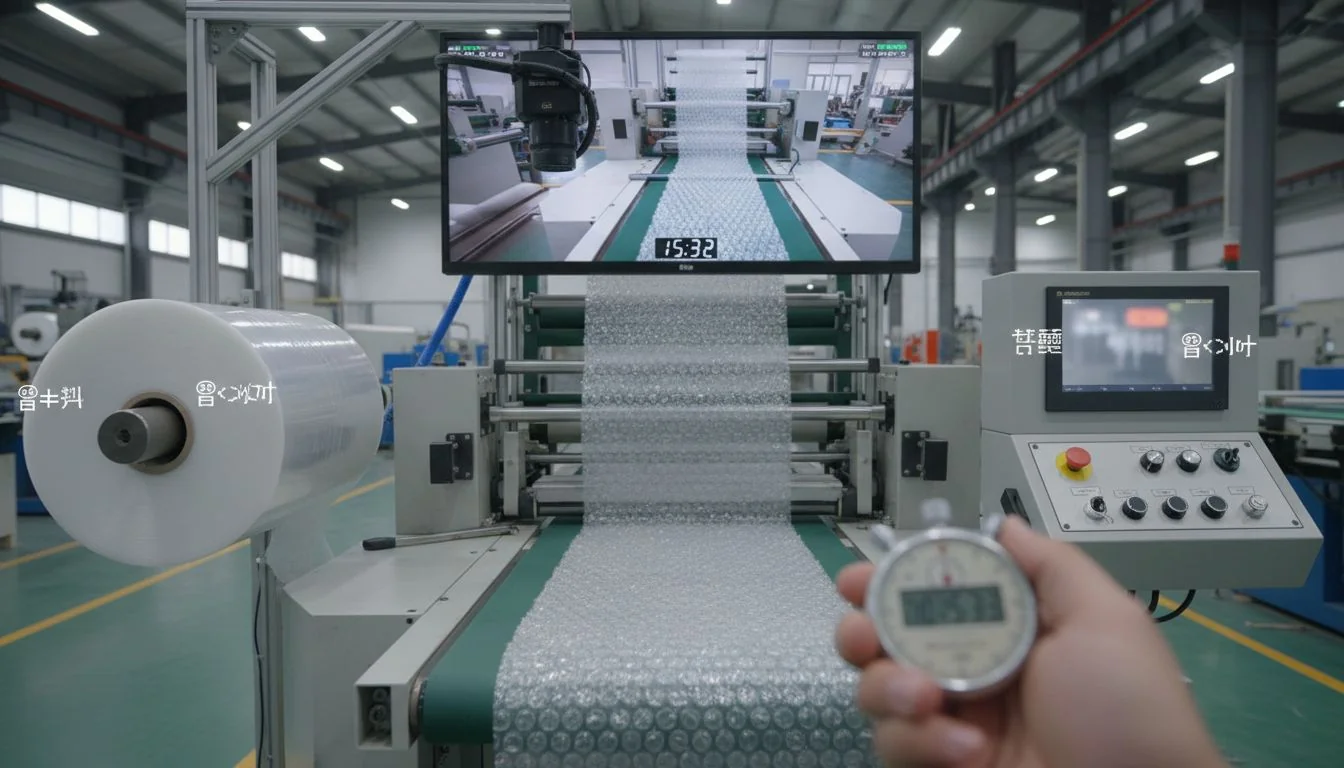
Hot knife blades seal and cut synthetic ropes like polypropylene, while cold knives offer clean, precise cuts for all materials—but without heat sealing.
Insights:
At Suzhou Haoxinhe Electrical Equipment Co., Ltd., we engineer cutting machines that match the blade to the material. Whether you need the sealing precision of a hot knife or the clean sharpness of a cold blade, our machines—including webbing ribbon cutting machines, rotary bevel cutting machines, and round shape cutting machines—deliver industrial-grade performance. With flexible blade configurations and expert guidance, we help manufacturers across Europe, North America, and Asia cut smarter, cleaner, and faster.
🧠 Industry Insight: Why Blade Choice Can Make or Break Your Production Line
In my 20+ years working with global manufacturers, the most overlooked issue in rope cutting setups is selecting the wrong blade type—and it usually shows up as high scrap rates or customer complaints about fraying.
Here’s the hard truth: hot knives aren’t optional for synthetic ropes like PP—they’re essential. We’ve seen clients in marine packaging lose contracts because frayed rope ends damaged product integrity in transit. On the flip side, cold knives are perfect for natural fibers—but cause synthetic ropes to unravel, costing you double in rework.
That’s why our most successful clients now opt for dual-mode cutting machines. With one toggle, they switch from hot to cold based on the day’s material batch. No downtime. No over-processing.
The bottom line? Blade choice isn’t just a technical detail—it’s a strategic decision that directly affects your bottom line, material waste, and customer satisfaction. Don’t guess—optimize.