Automatic vs. Manual PP Rope Cutting Machines

Still cutting polypropylene rope by hand? That might be slowing down your production and hurting your bottom line.
Automatic PP rope cutting machines1 offer faster speeds, better accuracy, and long-term cost savings compared to manual cutting methods2.
When you understand how these two methods compare, it’s easier to choose the right solution for your business.
Key Differences in Efficiency and Cost

Manual rope cutting may seem affordable at first, but it often leads to wasted material, labor fatigue, and higher long-term costs.
Automatic cutting machines are faster, more accurate, and require less labor—while manual methods are slower, error-prone, and more labor-intensive.
Let’s break it down and explore the most important differences between automatic and manual PP rope cutting options.
Speed & Output Capacity
Manual Cutting:
- Involves workers measuring and cutting ropes by hand
- Average worker can cut around 100–150 ropes per hour
- Slows down significantly with fatigue or complex measurements
Automatic Cutting:
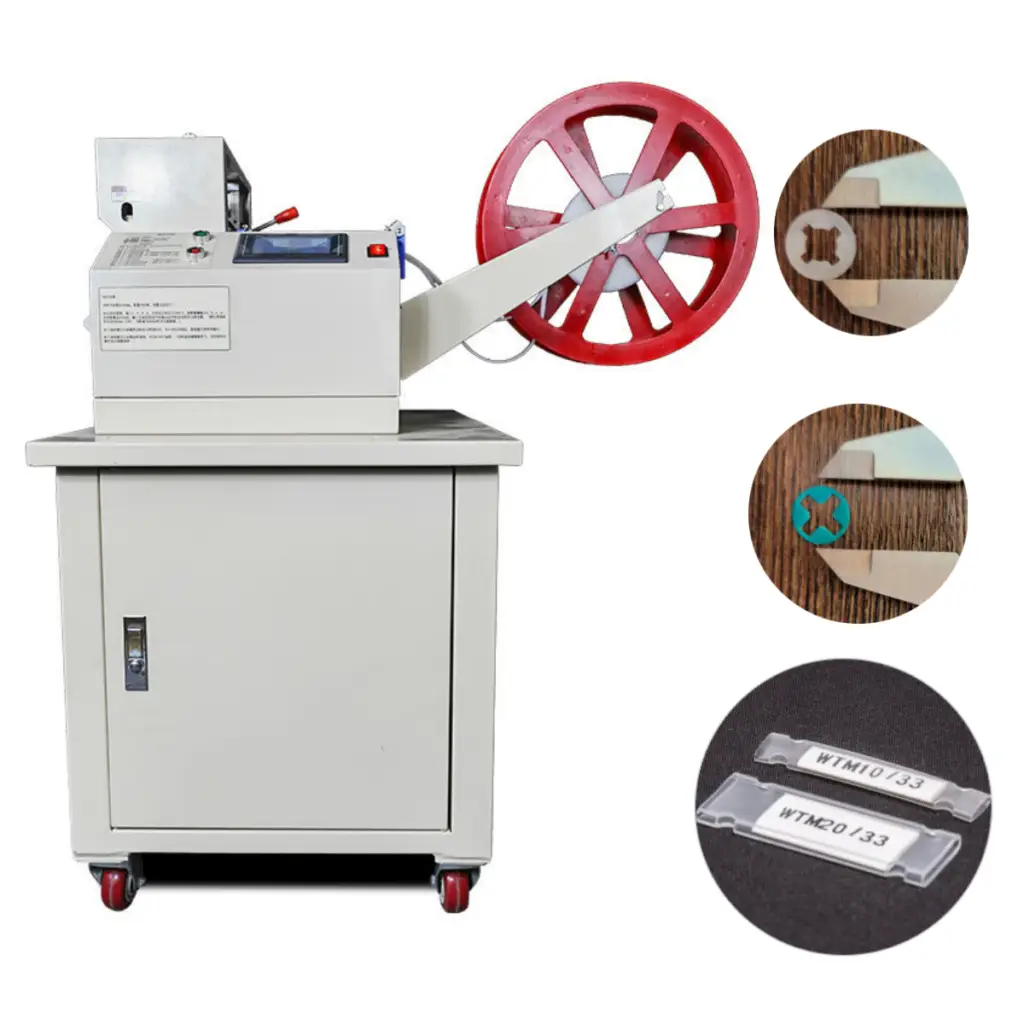
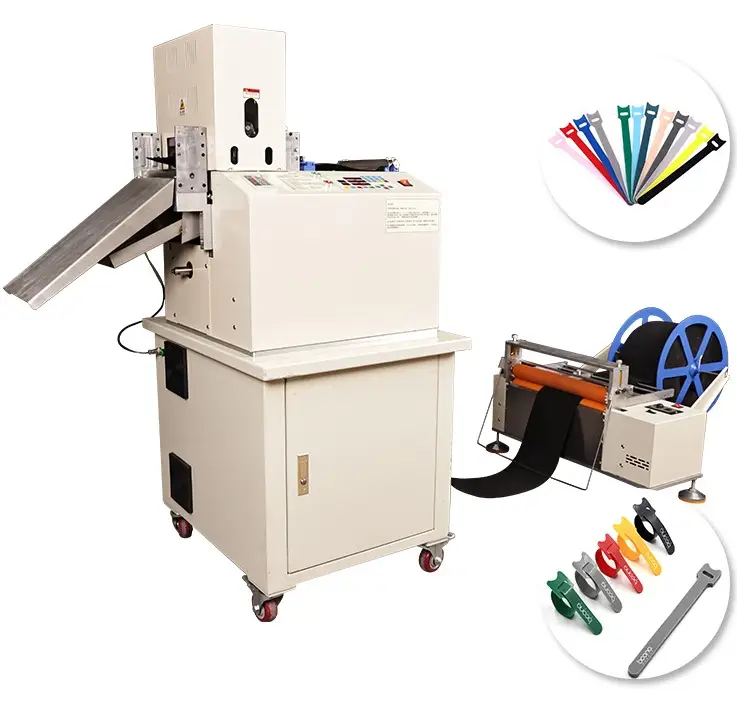
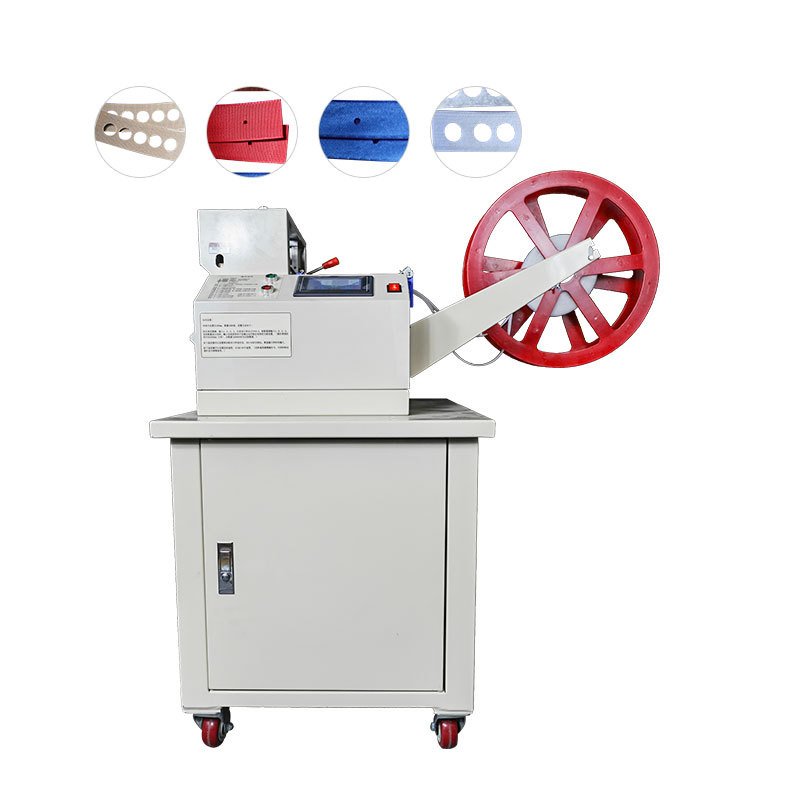
- Machines like the rotary bevel cutting machine or webbing ribbon cutting machine cut up to 3,000 pieces per hour
- Can run continuously with minimal supervision
- Output remains consistent regardless of operator fatigue
| Type | Avg. Output per Hour | Labor Needed |
|---|---|---|
| Manual | 100–150 cuts | 1–2 people |
| Automatic | 2,000–3,000 cuts | 0.2 (monitoring only) |
Accuracy and Waste Reduction
Manual measurements are often inconsistent, leading to ropes that are either too short (waste) or too long (rework). This adds cost over time.
Automatic machines have pre-set lengths and electronic controls, ensuring each cut is precise.
Manual Cutting:
- High risk of error from human measurement
- No sealing, resulting in fraying
- Difficult to maintain consistent lengths
Automatic Cutting:
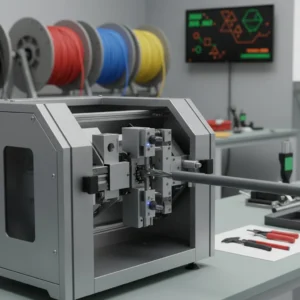
- Uses servo motors and digital measurement
- Hot blade seals ends to prevent fraying
- Great for large batch production
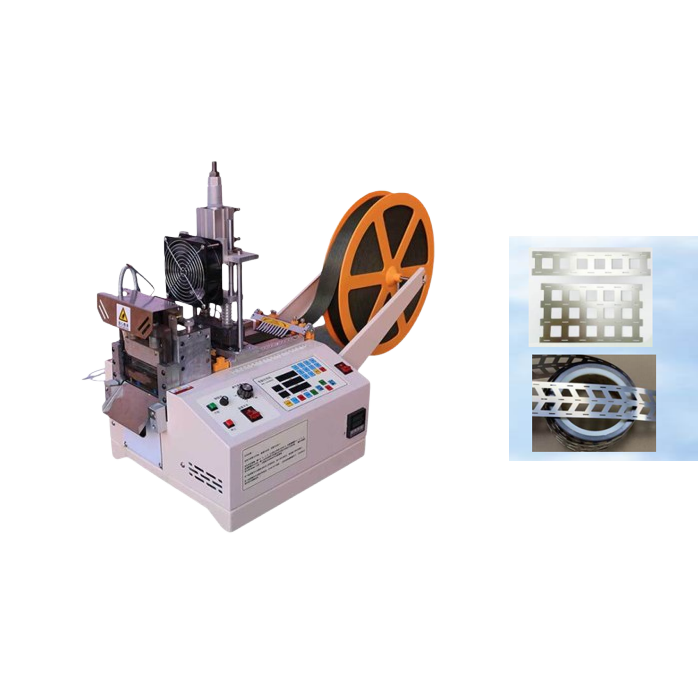
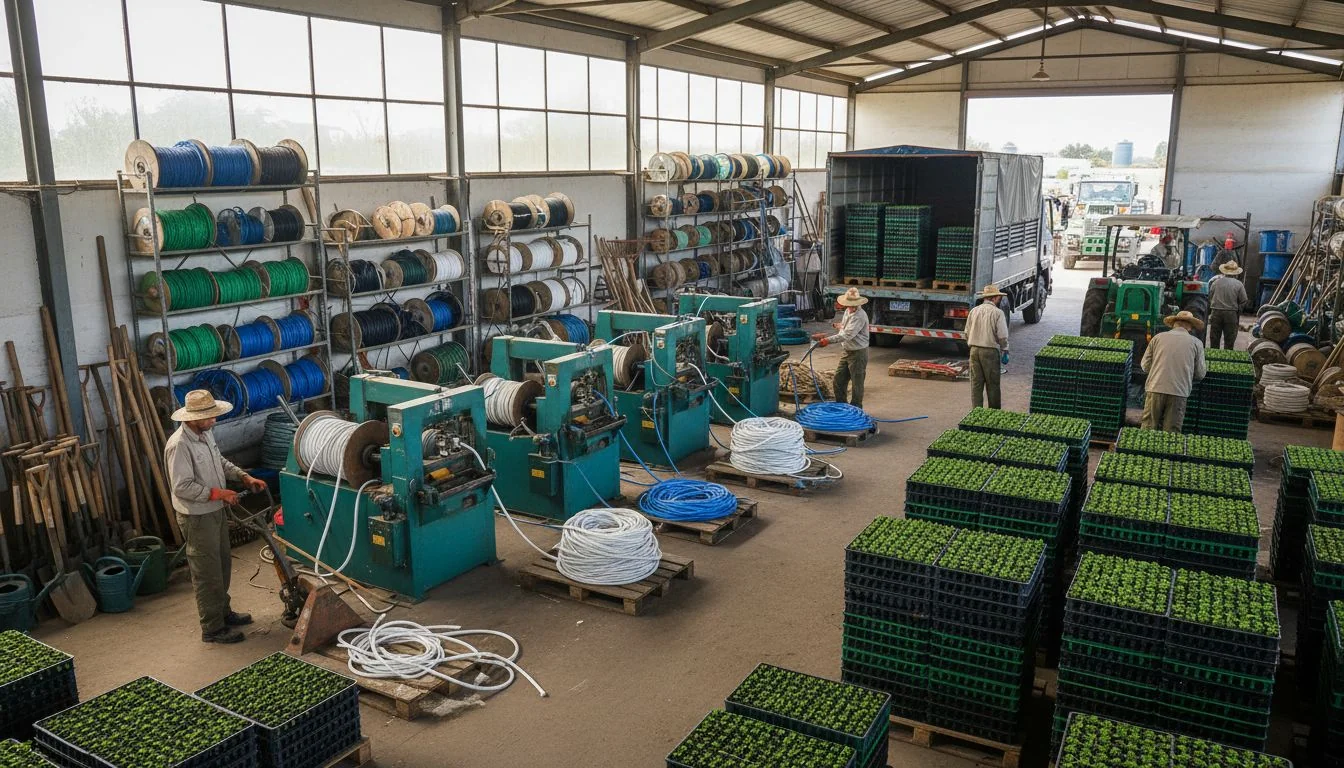
Our hot and cold cutting machines3 at Suzhou Haoxinhe Electrical Equipment Co., Ltd. come equipped with temperature controls and auto-length settings—ideal for precision cutting.
Labor Costs
Manual cutting means paying wages for multiple operators, training time, and possibly dealing with repetitive strain injuries.
Automatic machines reduce reliance on labor. One operator can manage several machines at once.
Cost Analysis Over Time:
| Expense Type | Manual (per year) | Automatic (per year) |
|---|---|---|
| Labor for 2 workers | $24,000 | $3,000 (supervisor) |
| Waste from errors | $3,000 | $500 |
| Machine depreciation | $0 (but time loss) | $1,500 |
| Total Cost | $27,000 | $5,000 |
Even with the upfront investment, automatic machines pay for themselves quickly in high-volume environments.
Safety Considerations
Cutting ropes by hand introduces risk—especially with box cutters or scissors. Repetitive use can cause injury over time.
Our automatic machines are designed with emergency stop buttons, overload protection, and protective housing to minimize risks.
Maintenance and Reliability
Manual methods don’t require maintenance, but they depend heavily on human performance, which is unpredictable.
Automatic machines from our factory include:
- Simple user interface for settings
- Easy blade replacement systems
- Long machine lifespan with regular maintenance
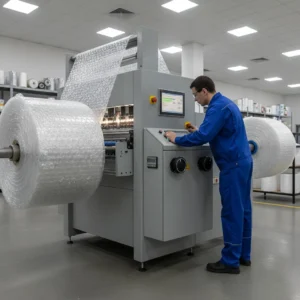
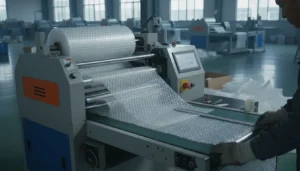
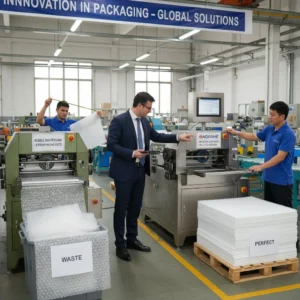
At Suzhou Haoxinhe Electrical Equipment Co., Ltd., our machines like the bubble wrap cutting machine4 and protective foam cutting machine5 are built for continuous use in industrial environments6.
Conclusion

Automatic PP rope cutting machines1 outperform manual methods in speed, accuracy, safety, and cost-efficiency—especially at scale.
Insights:
Suzhou Haoxinhe Electrical Equipment Co., Ltd. manufactures reliable and high-speed automatic cutting machines designed to replace manual rope processing. With our webbing ribbon cutting machine, rotary bevel cutting machine, and hot and cold cutting machine, businesses save on labor, reduce material waste, and speed up production. If you’re still using manual cutters, it’s time to invest in automation and scale your business like our global clients in North America, Europe, and Southeast Asia already have.
🧠 Industry Insight: Why Manual Cutting Is Quietly Costing You More
From years of consulting with manufacturers and logistics centers across Asia and Europe, here’s one pattern I’ve seen repeatedly: businesses underestimate how expensive manual processes really are—until automation exposes the truth.
Manual rope cutting might seem low-tech and “cheap,” but the hidden costs pile up fast—rework, fatigue-related downtime, inconsistent lengths, safety claims. One factory in Vietnam discovered they were losing over $10,000 annually in rope waste alone due to miscuts and fraying.
Compare that to an automatic machine that pays for itself within 6–9 months. With outputs up to 3,000 cuts per hour, your throughput increases overnight, and the savings are not just in labor—but in predictability and quality control.
More importantly, clients using our machines often repurpose labor for higher-value tasks like QA or assembly—boosting overall plant efficiency. In lean manufacturing, that’s the edge that separates you from competitors still doing it by hand.
Discover how automatic machines can enhance your production efficiency and reduce costs. ↩ ↩
Learn about the hidden costs and inefficiencies associated with manual cutting. ↩
Explore the specific applications and benefits of hot and cold cutting technology. ↩
Learn how bubble wrap cutting machines can enhance packaging efficiency. ↩
Discover how these machines can improve safety and efficiency in production. ↩
Explore the specific needs and solutions for cutting in high-demand industrial settings. ↩