Which machine layout suits small warehouses?
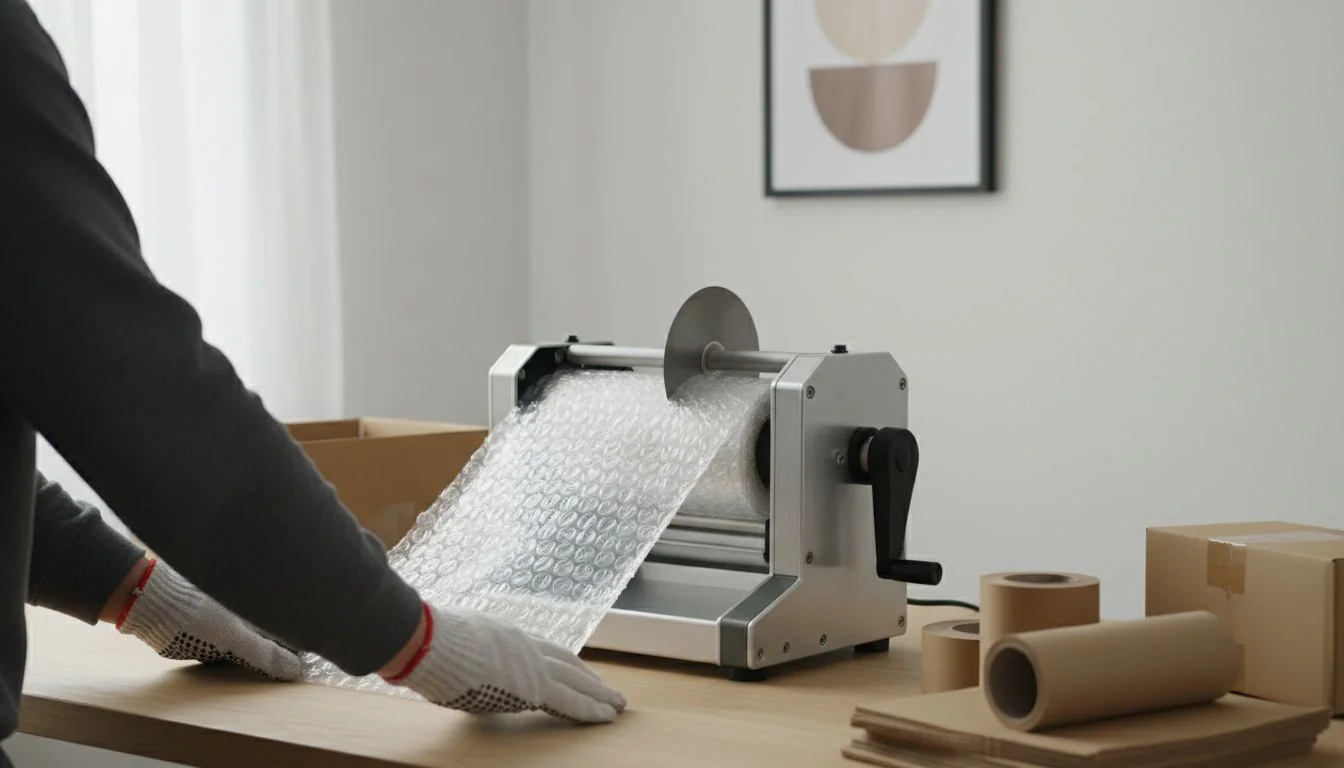
Warehouse space is expensive, and bulky machines can easily block workflow or overwhelm narrow aisles. Choosing the wrong layout can lead to constant rearrangement and lost time.
For small warehouses, desktop or tabletop bubble wrap cutters offer the best balance between footprint and function. However, industrial roll-to-sheet cutters1 still have a place where throughput is critical.
- A U-shaped warehouse layout2 is perfect for small spaces, combining receiving, storage, and shipping in a compact, efficient flow.
- It maximizes floor space while streamlining operations within a confined area.
- For facilities aiming to boost throughput and reduce storage density, a straight-line layout offers greater efficiency.
- The layout choice should align with operational priorities like speed, accessibility, and inventory volume.
- Adopting the right layout enhances productivity and space utilization in small warehouse setups.
The key is finding a setup that fits your space and your production volume. Let’s compare these two machine types head-to-head.
Desktop/tabletop bubble wrap cutter vs industrial roll-to-sheet cutter (footprint & throughput)
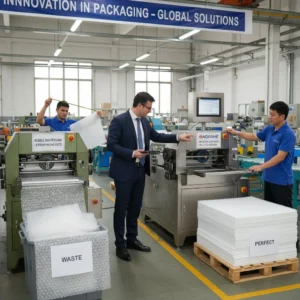
[^3]](https://hxcuttingmachine.com/wp-content/uploads/2025/10/Efficient-Warehouse-Storage-and-Packing-Setup.webp "Warehouse packing layout")
Small businesses often assume bigger machines mean better output. But for limited floor space, the smartest choice might not be the biggest.
Desktop cutters take up 1–2 sqm and are perfect for low to mid-volume output. Industrial roll-to-sheet cutters need 4–6 sqm but deliver 3–5x the throughput.
Let’s go deeper into which is right for your space and business needs.
🔍 Side-by-Side Comparison Table
| Feature | Desktop/Tabletop Cutter | Industrial Roll-to-Sheet Cutter |
|---|---|---|
| Footprint (sqm) | 1–2 sqm | 4–6 sqm |
| Weight | 40–90 kg | 200–600 kg |
| Throughput (pcs/min) | 20–50 | 80–150 |
| Power requirement | 220V / Single Phase | 380V / Three Phase |
| Setup time | 10–15 minutes | 30–60 minutes |
| Recommended for | Light packaging stations, micro-warehouses | Exporters, contract packaging operations |
| Mobility | Often with wheels, easy to relocate | Fixed installation, may need pallet truck |
| Example from HAOXINHE | Mini Bubble Wrap Cutter | Protective Foam Cutting Machine |
🧠 Dive Deeper: Matching Layout to Workflow
1. What matters most—space or speed?
When I first visited a Canadian client’s site (let’s call him Mark), I realized that despite his company moving large volumes of materials, his warehouse had tight aisles and limited free space near the packing zone. His team was manually cutting bubble wrap with blades, which caused material waste and inconsistent sizes.
I recommended our Mini Bubble Wrap Cutter. Why?
- It fit directly on the table next to his packing station.
- It only needed a small single-phase power supply.
- Within a week, they doubled their wrapping speed, and saved 20% in material waste.
In contrast, an industrial roll-to-sheet cutter (like our Protective Foam Cutting Machine) would have required rearranging pallets, rewiring power, and shifting their workflow. Yes, it’s 4x faster—but not usable in his current layout.
2. Don’t forget about mobility
Desktop units are often mounted on stands or wheels. You can push them aside when not in use. That flexibility is gold in seasonal operations or shared spaces.
Here’s what I often advise:
If your output is under 1,000 sheets per day, and you value flexibility, go desktop. If your daily need is above 3,000 sheets, make space and go industrial.
3. Throughput vs. fatigue
Desktop machines are slower, but they reduce worker fatigue compared to manual cutting. Over an 8-hour shift, a single operator using a tabletop bubble wrap cutter can outpace two workers using scissors or box cutters.
If your team already spends hours cutting by hand, a small electric cutter is a huge upgrade—without reworking your warehouse.
4. Safety and mess control
One overlooked point: desktop cutters produce less mess and are easier to clean around. Industrial machines, while efficient, require maintenance zones and extra floor clearance. For smaller operations, that’s often a dealbreaker.
🛠 HAOXINHE Solutions for Small Warehouses
At Suzhou Haoxinhe Electrical Equipment Co., Ltd.3, we’ve designed machines for both compact and high-output operations4. If you’re running a tight space, these options work best:
- Desktop Bubble Wrap Cutter: Space-saving, plug-and-play, cuts up to 50 pcs/min.
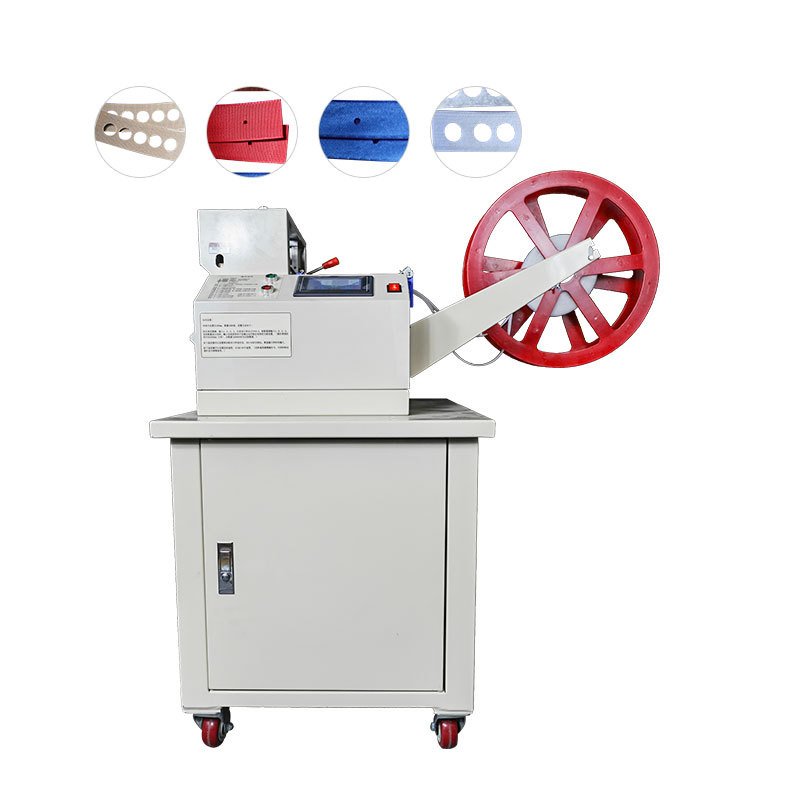
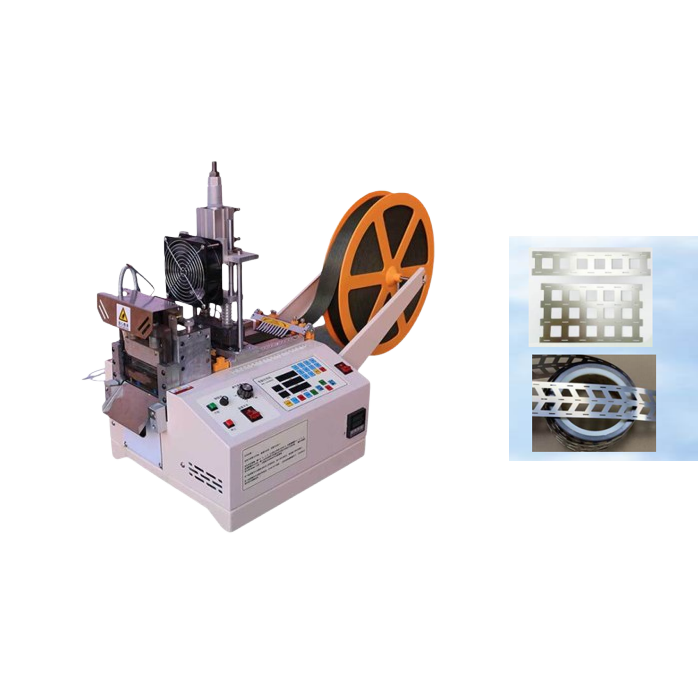
- PVC Edge Banding Cutting Machine: Small footprint, precise length control.
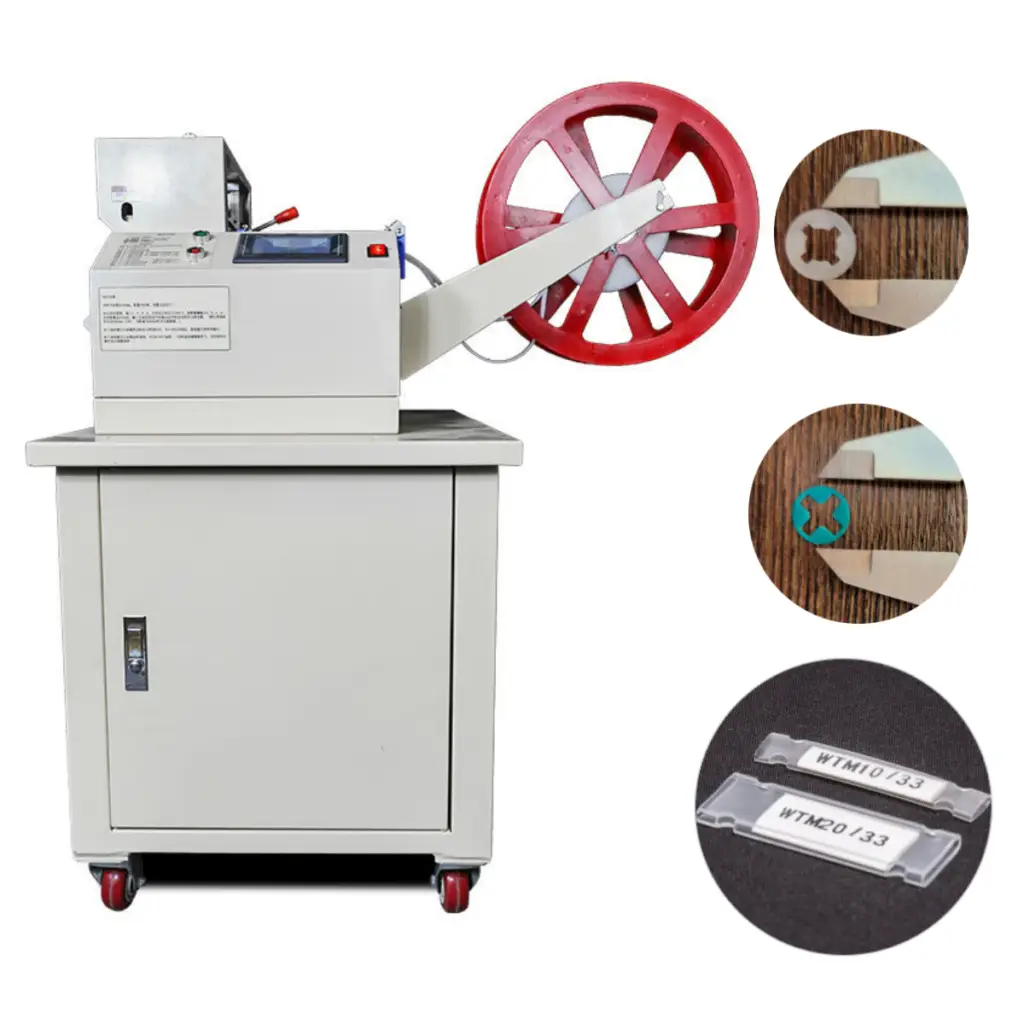
- Webbing Ribbon Cutting Machine: Compact and modular, suited for narrow materials.
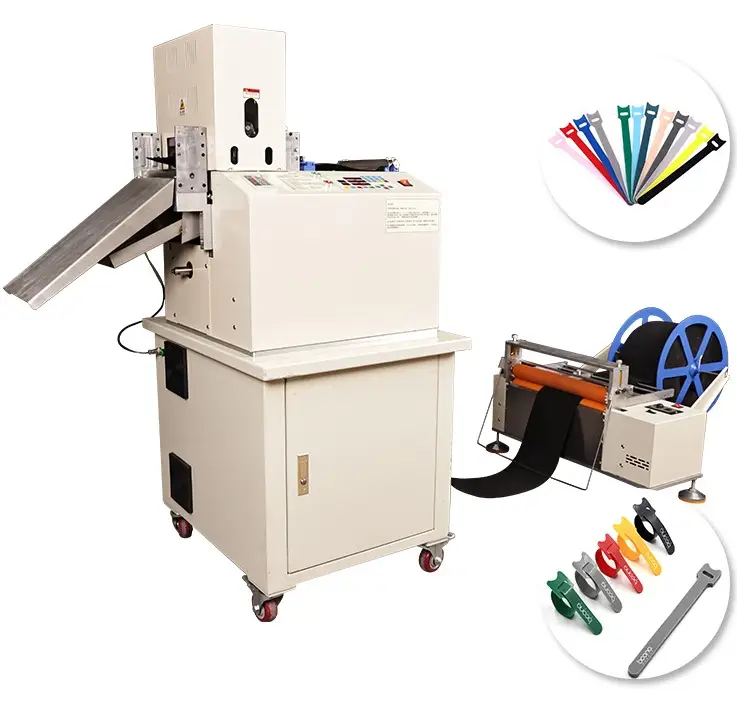
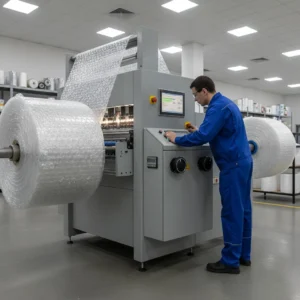
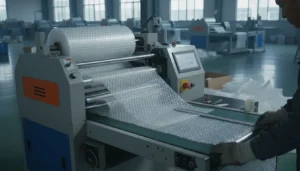
For clients who need higher output and have the space, our Protective Foam Cutting Machine or Rotary Bevel Cutting Machine deliver high-speed cutting of bubble wrap and other flexible foams.
Conclusion
If space is tight, a tabletop cutter is your best friend. If volume is high and space allows, go industrial.
🔍 Insights
After working with dozens of logistics clients across Europe and Southeast Asia, I’ve learned one hard truth: machine layout can make or break small warehouse efficiency. I’ve walked into spaces so tight you couldn’t turn a pallet without playing warehouse Tetris. In these cases, industrial-scale machines—no matter how fast—become productivity blockers, not boosters.
That’s why desktop or tabletop cutters are gold in micro-fulfillment centers, last-mile logistics hubs, or co-working warehouses. They offer plug-and-play simplicity (220V), roll into position on wheels, and are ready to work in 15 minutes. But most importantly, they don’t require layout compromise.
I once helped a UK-based D2C skincare brand shift from manual bubble wrap cutting5 to a desktop electric unit. Their ROI6? Less worker fatigue, 30% less waste, and a 2x faster pack-out speed—without giving up shelf or aisle space.
Here’s my rule: if your warehouse floor plan needs to “breathe,” don’t choke it with heavy industrial equipment. Start with modular, mobile solutions and scale once space allows. Flexibility wins over horsepower in tight spaces.
For businesses operating in small warehouses or micro-fulfillment centers, desktop bubble wrap cutters7 provide efficient output without sacrificing valuable floor space. At Suzhou Haoxinhe Electrical Equipment Co., Ltd.3, we help wholesale clients optimize layout and speed by offering compact machines like our webbing ribbon cutting machine and bubble wrap cutter, designed specifically for tight spaces with high efficiency. When your operation scales up, our industrial roll-to-sheet cutters1 like the Protective Foam Cutting Machine are ready to take over.
Find out how industrial roll-to-sheet cutters can boost productivity in larger operations. ↩ ↩
Explore how a U-shaped layout can maximize efficiency and space in small warehouses. ↩
Discover the innovative solutions provided by Suzhou Haoxinhe for optimizing small warehouse operations. ↩ ↩
Learn about the machines that can handle high-output needs while maintaining efficiency. ↩
Get tips on effective bubble wrap cutting techniques to improve packing efficiency. ↩
Learn how to assess the return on investment for your warehouse equipment choices. ↩
Discover why desktop bubble wrap cutters are ideal for limited spaces and low to mid-volume output. ↩