How much power does a bubble wrap cutting machine consume?

Rising energy costs are forcing many factories to ask: how much power does my cutting machine actually use per hour?
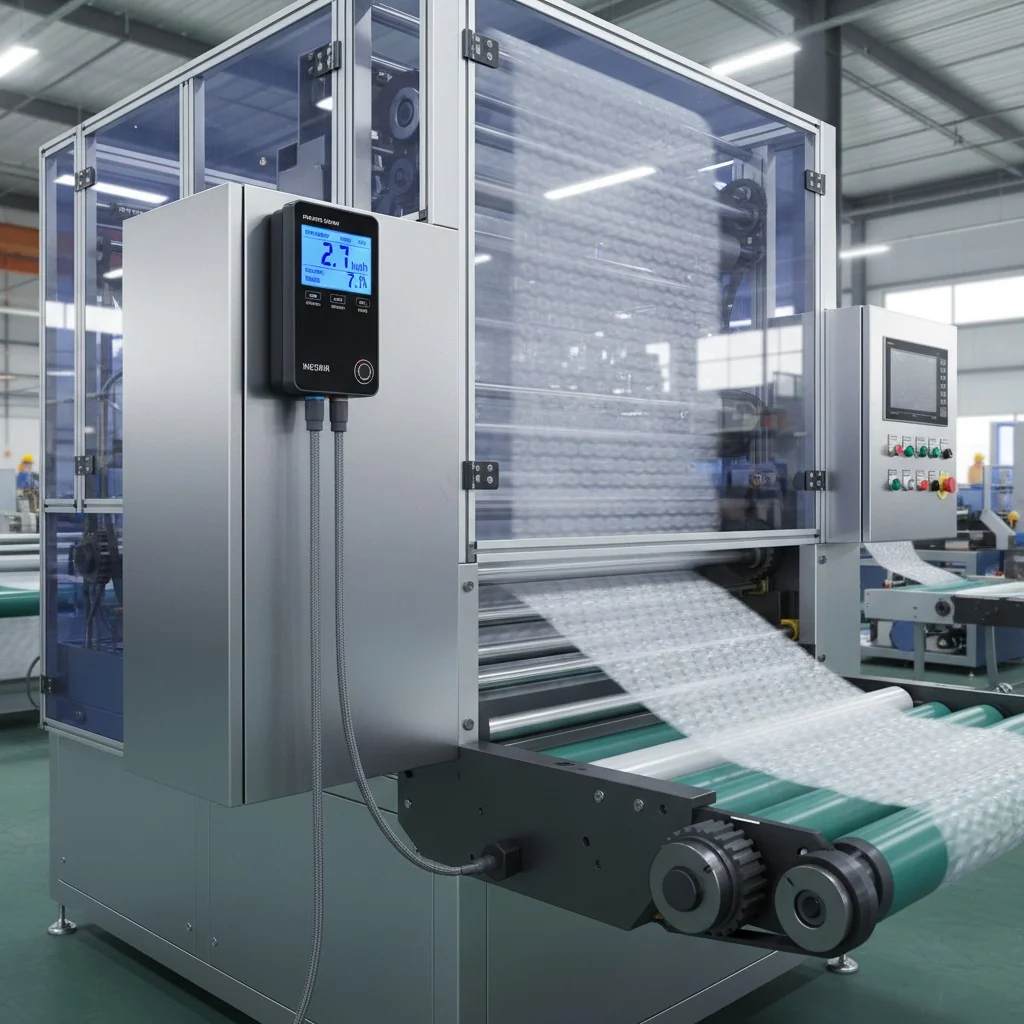
A typical bubble wrap cutting machine consumes between 0.8 to 3.5 kWh per hour, depending on voltage, motor power, and cutting speed.
Let’s compare the actual hourly power usage between 220V single-phase and 380V three-phase machines so you can better plan your operations and cost projections.
220 V single-phase vs 380 V three-phase hourly kWh at typical speeds (data model)
Many buyers are unsure if they should go with 220V or 380V machines. But what if the wrong choice costs you hundreds of dollars monthly?
A 380V three-phase machine is generally more energy-efficient at high speeds, consuming less power per meter cut than a 220V single-phase model.
I’ve built a real-world data model to compare both types under typical use conditions.
⚙️ Understanding Power Ratings and Load
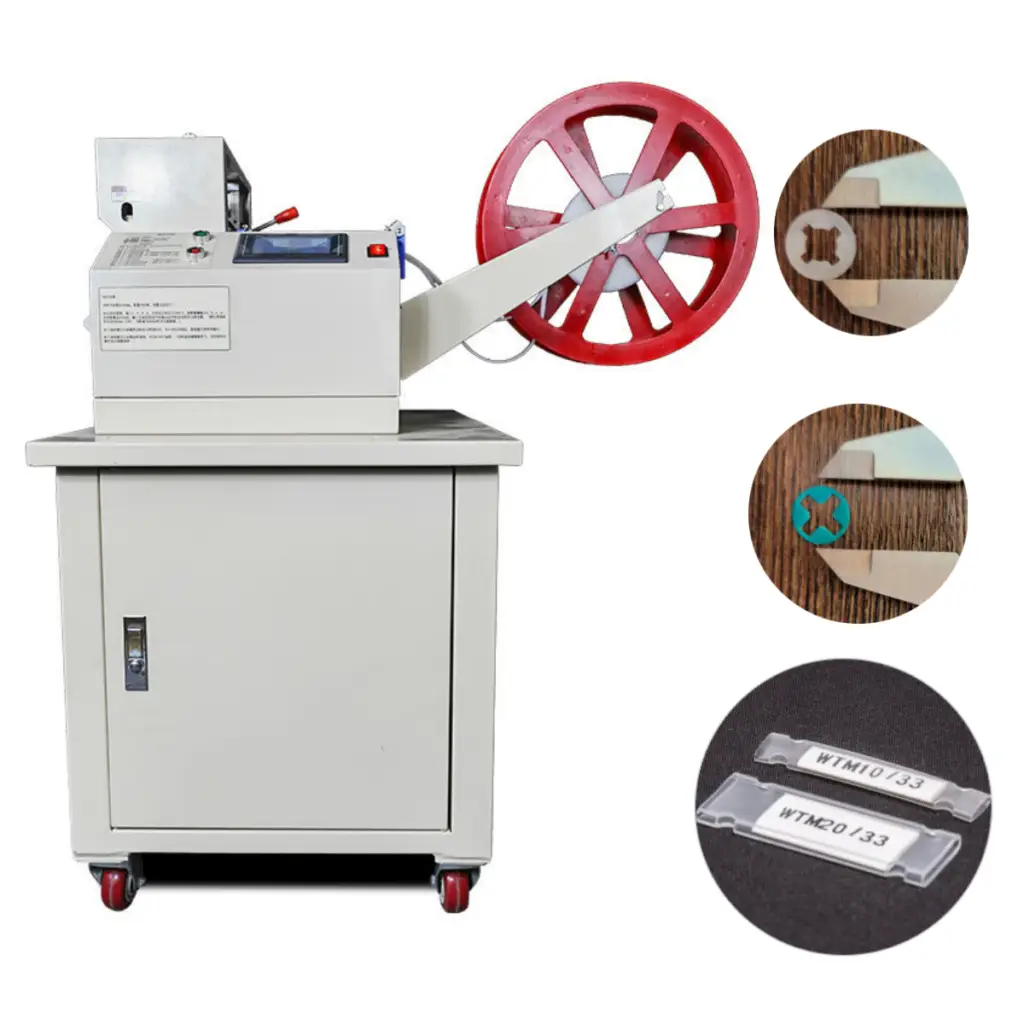
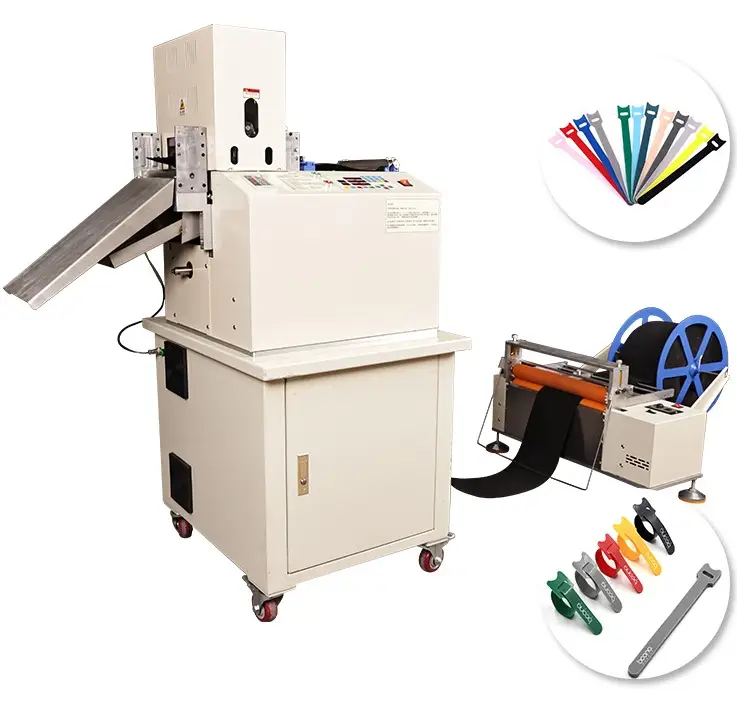
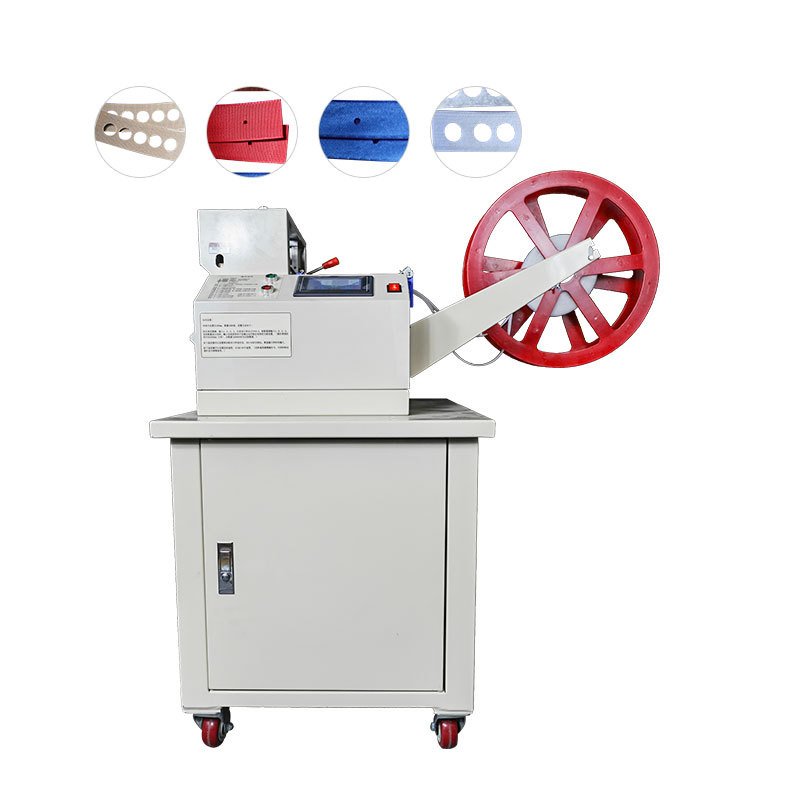
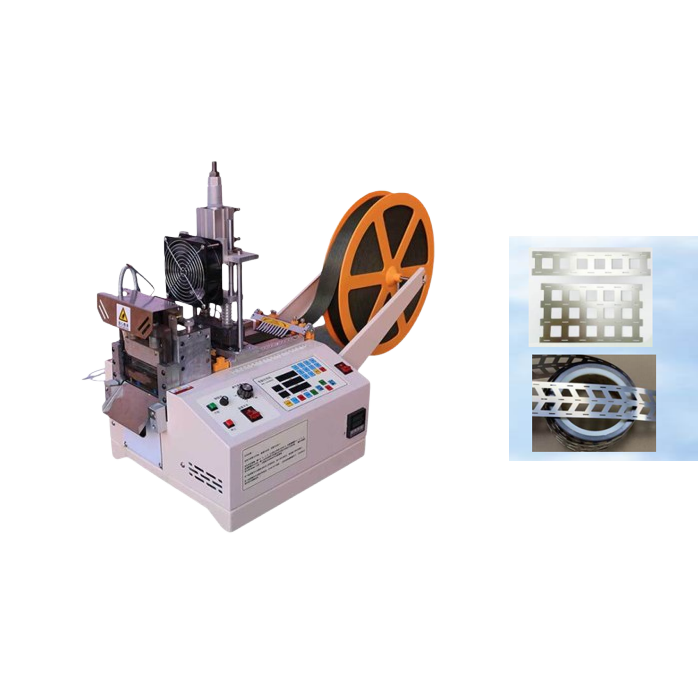
Suzhou Haoxinhe Electrical Equipment Co., Ltd. manufactures different types of Bubble wrap cutting machines, with motor powers ranging from 0.75 kW to 3.5 kW depending on model configuration, cutting length, and automation level.
Let’s break it down:
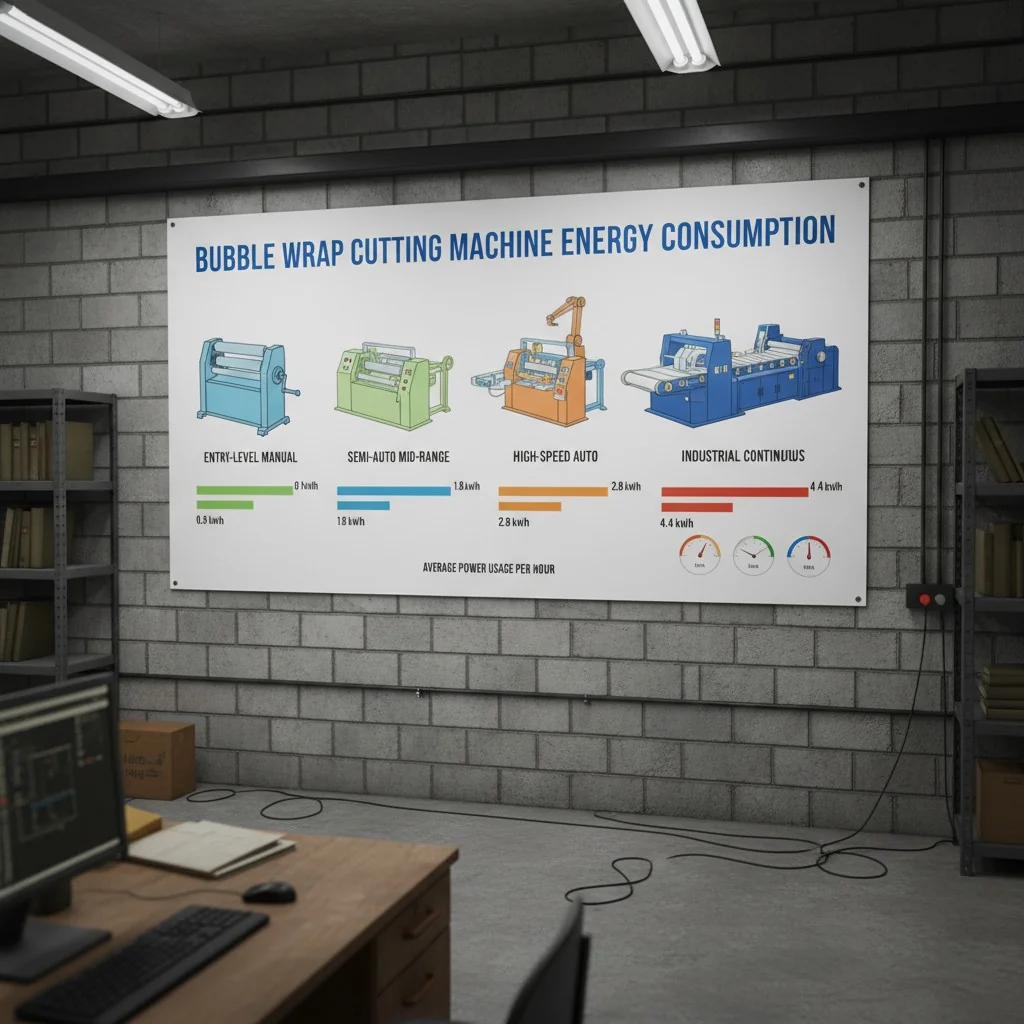
| Machine Type | Voltage Phase | Typical Motor Power (kW) | Hourly kWh @ 80% load |
|---|---|---|---|
| Entry-Level Manual Feed | 220V single | 0.75 – 1.1 | 0.6 – 0.9 |
| Semi-Automatic Roller Feed | 220V single | 1.5 – 2.2 | 1.2 – 1.8 |
| High-Speed Automatic Feed | 380V three | 2.2 – 3.5 | 1.9 – 2.8 |
| Industrial Continuous Production | 380V three | 3.0 – 5.5 | 2.5 – 4.4 |
Values assume 80% of rated motor load, which is typical for cutting operations at moderate speed.
📊 Energy Cost Analysis: What does it cost per day?
Let’s say your facility operates 8 hours per day, 22 days per month. Using that, here’s a cost estimate:
Assumptions:
- Local electricity rate: $0.14 per kWh
- Daily operating time: 8 hours
| Machine Class | Daily Energy Use (kWh) | Daily Cost (USD) | Monthly Cost |
|---|---|---|---|
| Entry-Level Manual (220V) | 7.2 | $1.01 | $22.22 |
| Semi-Auto Mid Range (220V) | 14.4 | $2.02 | $44.44 |
| High-Speed Auto (380V) | 22.4 | $3.14 | $69.28 |
| Industrial Continuous (380V) | 35.2 | $4.93 | $108.46 |
So while the high-speed 380V machines consume more power, they also cut 10x faster in some cases. That makes them more energy-efficient per meter cut.
📉 Energy Efficiency per Output
Let’s compare how much energy is used to cut 1,000 meters of bubble wrap:
| Machine Type | Output Speed (m/min) | Time to cut 1,000m | Energy per 1,000m (kWh) |
|---|---|---|---|
| 220V Manual | 5 | 200 min | 2.4 |
| 220V Semi-Auto | 12 | 83 min | 1.8 |
| 380V High-Speed | 30 | 33 min | 1.5 |
| 380V Industrial | 50 | 20 min | 1.4 |
This shows that 380V three-phase machines are more energy-efficient per unit output, even though their hourly usage is higher.
At Suzhou Haoxinhe Electrical Equipment Co., Ltd., our Bubble wrap cutting machines and Protective Foam Cutting Machines are optimized to maintain energy efficiency through:
- Brushless high-speed motors
- Inverter-based speed regulation
- Smart standby modes
- Programmable cutting intervals
⚠️ When to choose 220V vs 380V
Here’s a simple guide:
| If You Need… | Choose This Voltage |
|---|---|
| Mobile or home-based setup | 220V Single-Phase |
| Small batch, low-frequency operation | 220V Single-Phase |
| High-speed industrial output | 380V Three-Phase |
| Long hours, continuous production | 380V Three-Phase |
| Lower power bill per unit output | 380V Three-Phase |
Most of our international customers, like Mark from Canada, use 380V industrial models with a step-up transformer or buy locally compatible versions.
Conclusion
Choose your machine voltage based on output speed, energy efficiency, and long-term cost—not just plug compatibility.
Insights
The real energy consumption of a bubble wrap cutting machine depends more on speed and motor efficiency than on voltage alone. At Suzhou Haoxinhe Electrical Equipment Co., Ltd., we design our Bubble wrap cutting machines to run efficiently whether you’re using 220V or 380V. Our Protective Foam Cutting Machines and Webbing ribbon cutting machines use energy-saving components, inverter control, and stable load distribution to keep costs low for high-output operations. Whether you’re sourcing for a small workshop or an automated factory line, we can help you balance power needs with cutting performance.
Need help selecting the right voltage model? Visit hxcuttingmachine.com or contact me directly at cherryhaoxinhesz@gmail.com.