What’s the impact of electric rope cutters on marine rigging efficiency?
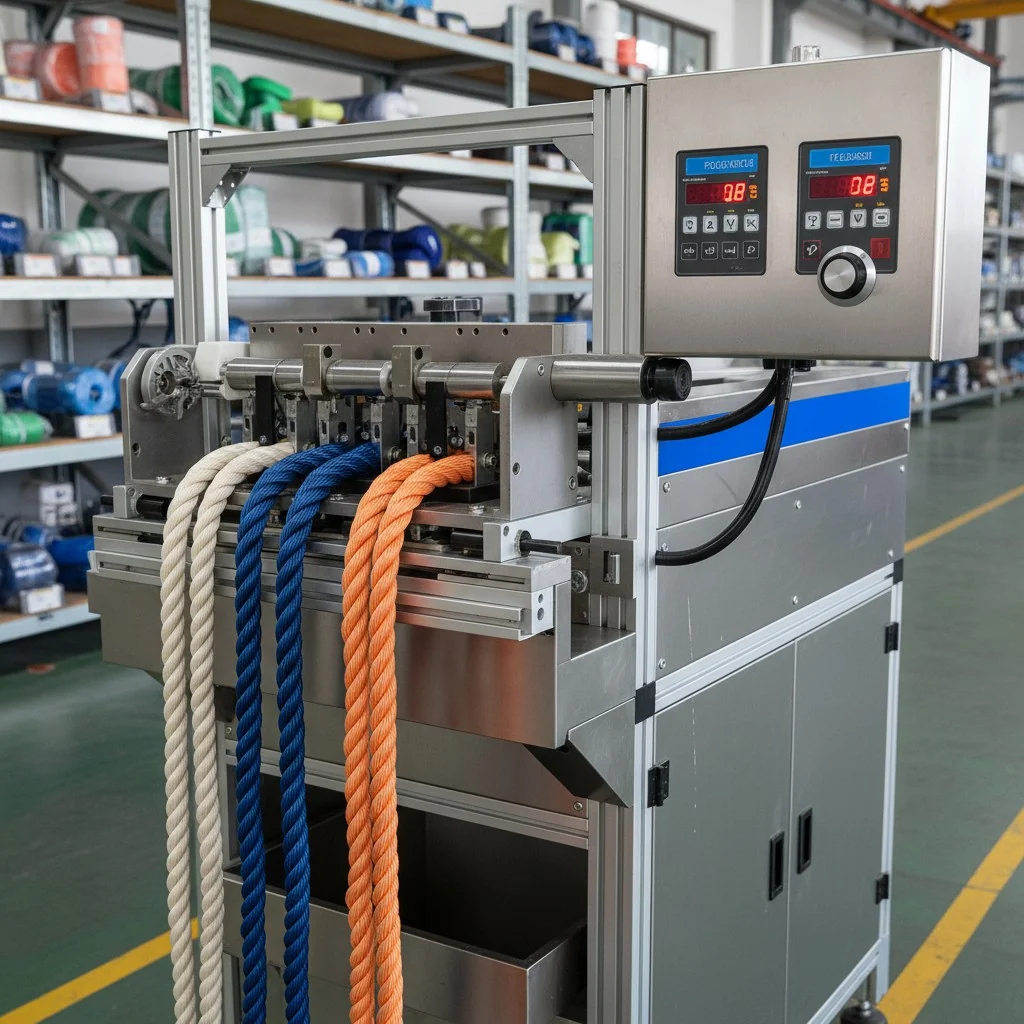
Manual rope cutting slows down marine rigging jobs and often leaves frayed ends—wasting time on heat sealing or whipping.
Electric rope cutters boost marine rigging efficiency by delivering instant, sealed cuts that eliminate fraying and reduce prep time on synthetic and natural ropes.
- Electric rope cutters enhance marine rigging efficiency by preventing dangerous propeller entanglement that can cause engine failure or operational delays.
- These devices are not meant to cut marine rope directly, but typically refer to electric-powered propeller rope cutters used in vessel systems.
- Common in industrial marine settings, they automate rope removal, reducing the need for risky manual intervention.
- Main advantage: improved safety and uninterrupted operation, saving time and reducing maintenance costs.
- Ideal for modern maritime operations, electric rope cutters increase reliability and streamline rigging performance.
When every minute counts—whether it’s sail preparation, dock line assembly, or custom rigging—cutting synthetic rope cleanly and quickly matters. Many of our marine industry clients now rely on electric rope cutting machines to streamline their rope prep operations, especially for high-strength synthetic lines.
What’s the impact of electric rope cutters on marine rigging efficiency?
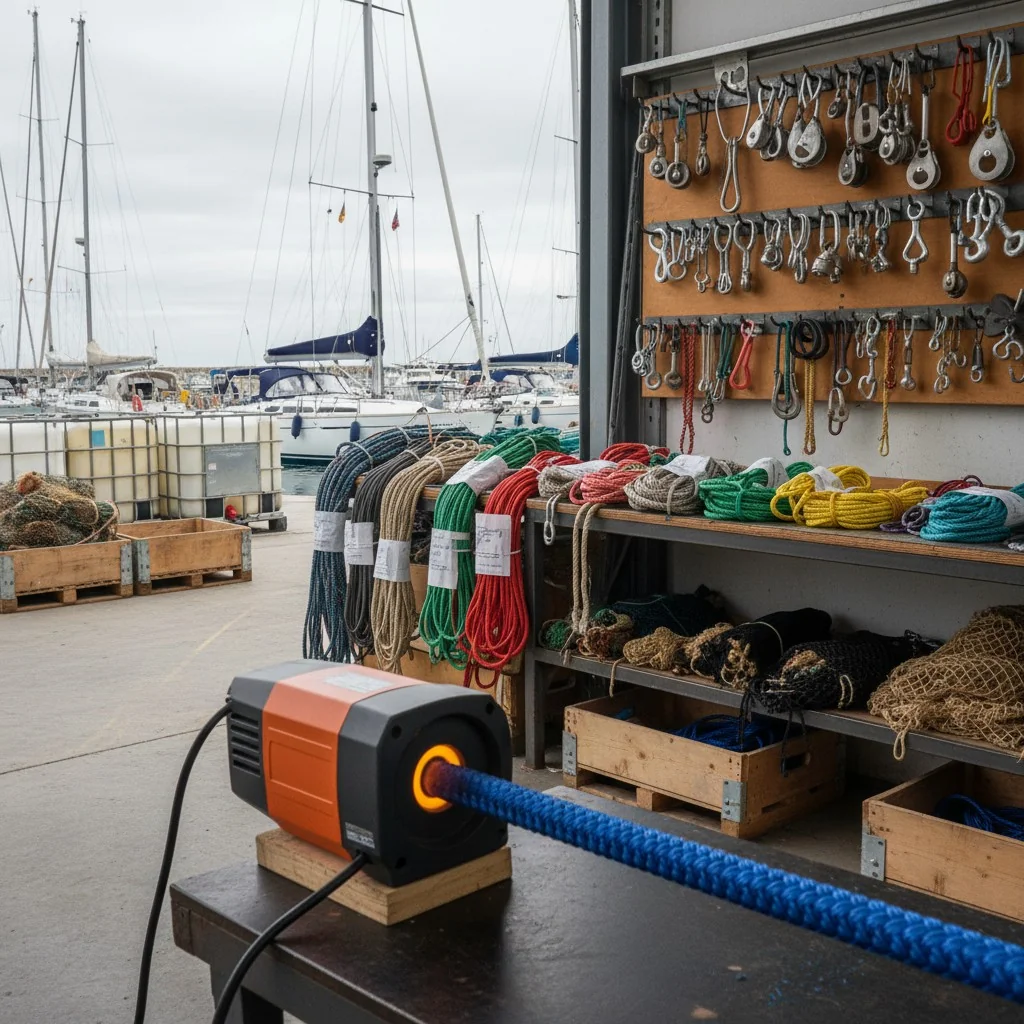
Sailmakers and riggers waste hours every week trimming, taping, and flame-sealing rope ends after cutting them manually.
Electric rope cutters improve rigging efficiency by heat-sealing the cut in one motion, preventing fraying and allowing immediate installation without extra finishing.
In marine rigging, synthetic ropes like Dyneema, Nylon, and Polyester are standard. These fibers are heat-sensitive. If you cut them with scissors or knives, the ends unravel—requiring extra steps:
- Taping or whipping
- Melting with a lighter
- Delayed rope termination
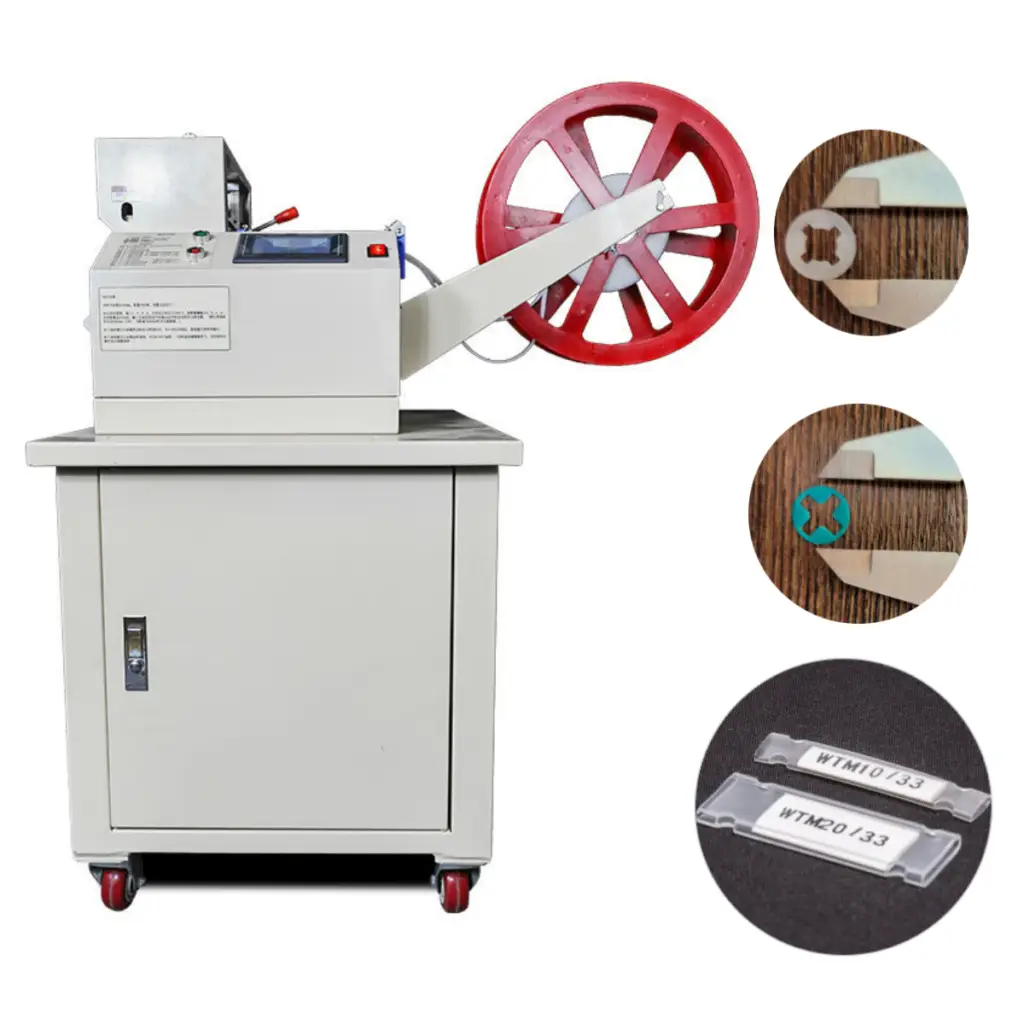
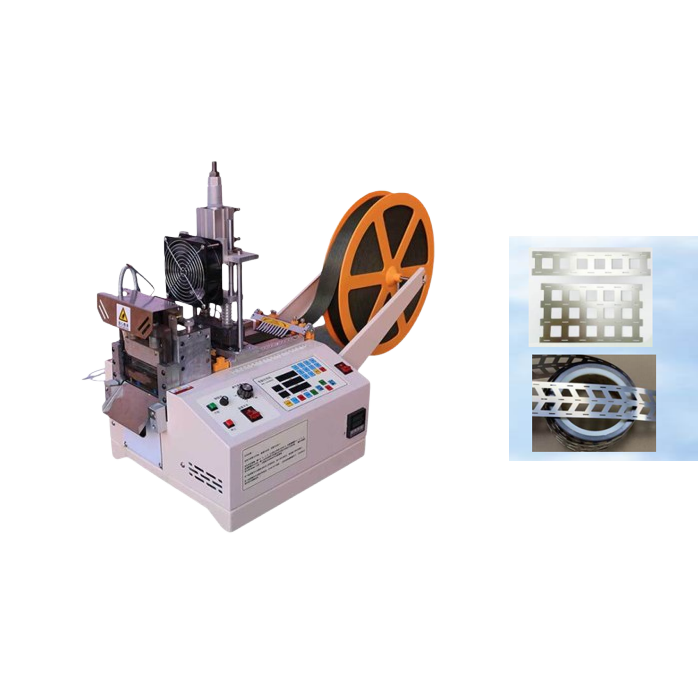
With our hot and cold cutting machines from Suzhou Haoxinhe Electrical Equipment Co., Ltd., riggers can make clean, sealed cuts instantly. No manual sealing, no extra handling. The hot blade both slices and seals—saving minutes per line, hours per job.
Real-Time Impact on Marine Workflows
| Task | Manual Cut Time | Electric Cutter Time | Time Saved |
|---|---|---|---|
| Cutting & Sealing 1 line | 3 minutes | 15 seconds | 2.75 min |
| 20 dock lines | 60 minutes | 5–7 minutes | 50+ mins |
| 100 halyard cuts | ~5 hours | ~30 minutes | 4+ hours |
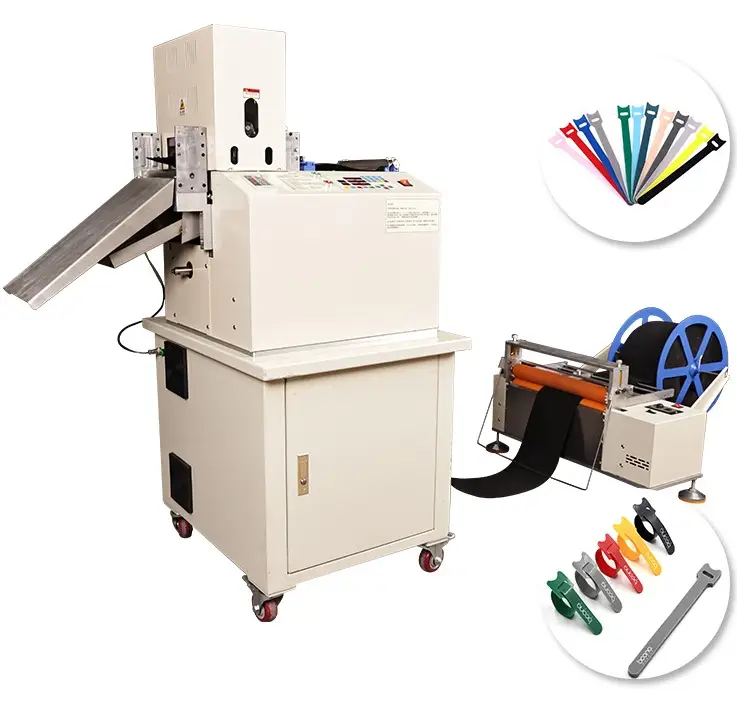
One boatyard in Italy switched to our webbing ribbon cutting machine (modified for rope use), and cut their prep time in half—especially when preparing bulk dock line kits for charter fleets.
Applications in Marine Rigging
- Mooring and dock line cutting
- Sail line prep (hanks, halyards)
- Fender lashing kits
- Braided synthetic splicing prep
- Custom rope assemblies for sailboats or workboats
How to choose blades that avoid fraying in synthetic ropes?
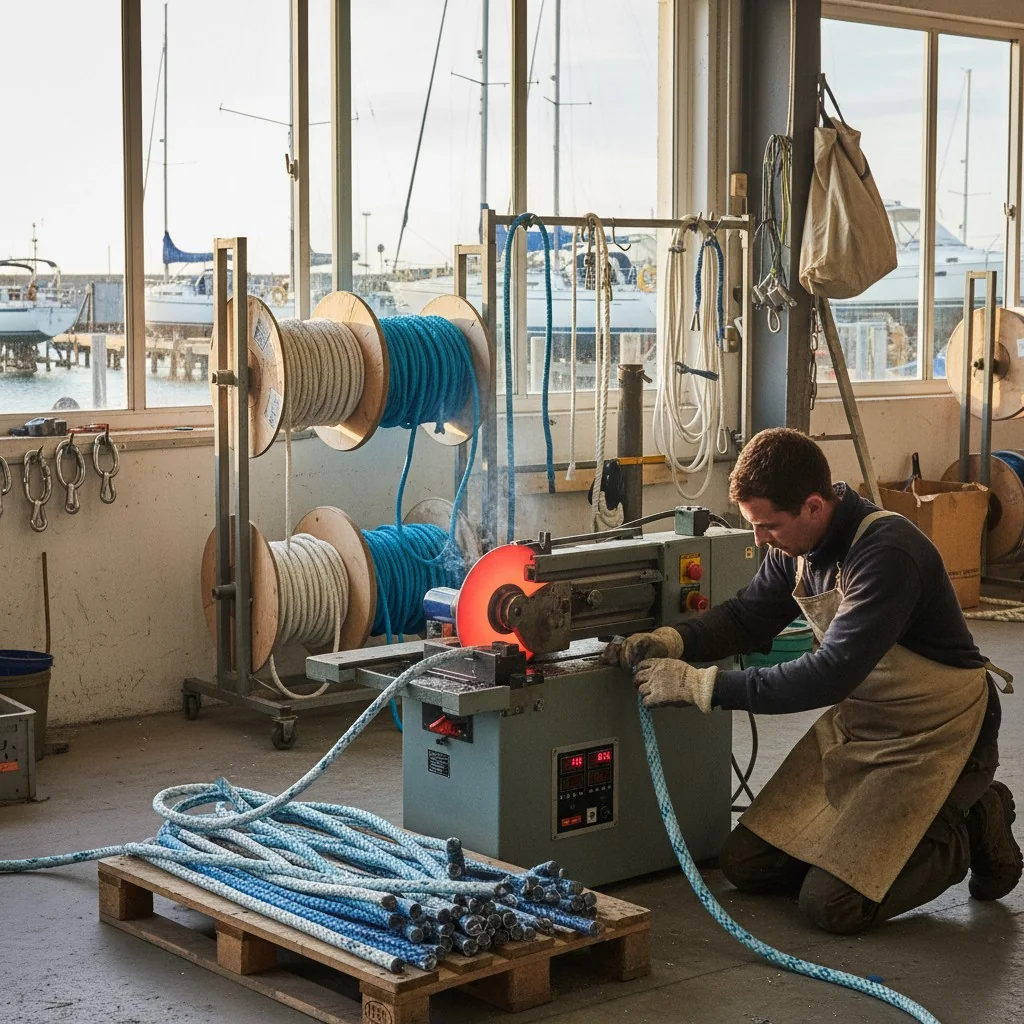
The wrong blade either burns the rope excessively or fails to seal it—leading to frayed edges that degrade quickly under marine load.
To avoid fraying, choose hot knife blades with controlled heat output, wide contact surfaces, and replaceable Teflon-coated edges designed for synthetic rope sealing.
Synthetic ropes—like Polypropylene, Polyester, or Kevlar-core—require melting to seal. But not all hot blades are equal. You need precision and control, especially when cutting expensive braided lines.
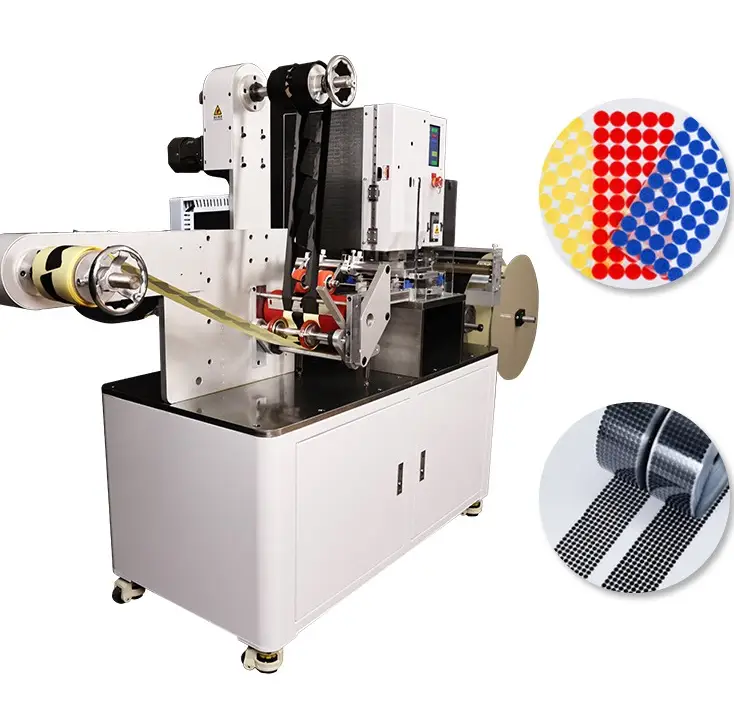
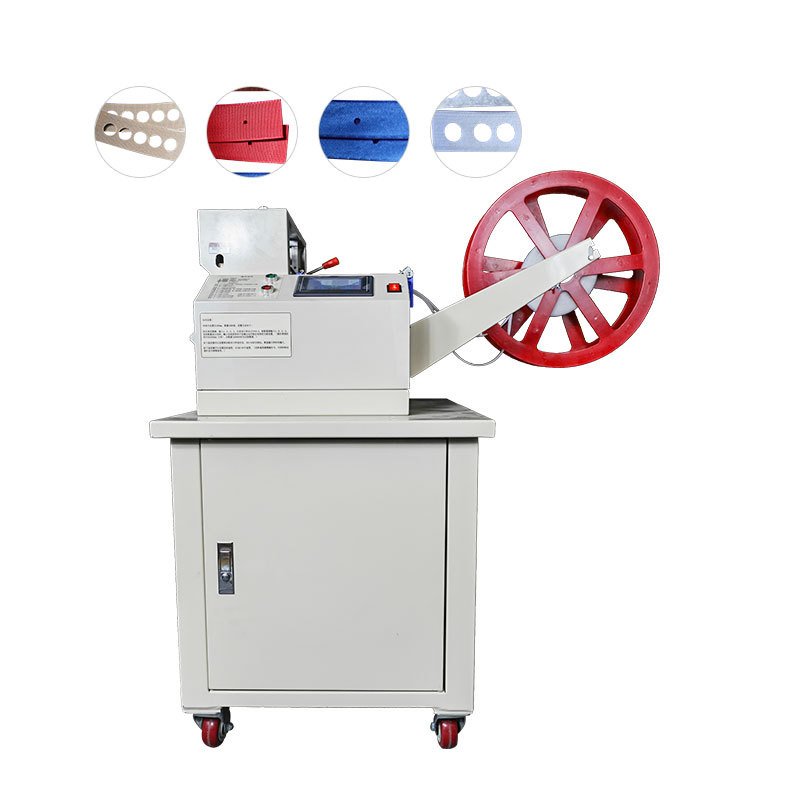
At Haoxinhe, we customize blade systems across our machines—like the automatic punching cutting machine and round shape cutting machine—for fabric and rope manufacturers in marine, climbing, and industrial sectors.
What to Look for in Rope-Cutting Blades
1. Temperature Control
Fixed-temperature hot knives often overheat or underperform. You need adjustable blades, ideally with settings from 200°C–500°C, depending on rope type.
| Rope Material | Ideal Blade Temp (°C) |
|---|---|
| Polypropylene | 250–300 |
| Polyester | 350–400 |
| Nylon | 400–450 |
| Dyneema® (UHMWPE) | 500+ |
2. Blade Width & Shape
Wide blade contact ensures even heating and uniform sealing. Thin-point blades often cause incomplete fusion or visible scorching.
Our rotary bevel cutting machine can be adapted with custom flat-tip hot blades for cutting and sealing rope up to 20mm diameter.
3. Teflon or Coated Edges
Heat-resistant coating prevents rope residue buildup, keeps edges smooth, and maintains blade longevity. We recommend coated blades especially for repeated high-speed marine applications.
Blade Maintenance Tips to Prevent Fraying
- Clean blade tip every 10–20 cuts to prevent buildup
- Allow full reheating before next cut
- Avoid cutting multiple ropes stacked together (uneven sealing)
- Replace blade after 2,000–3,000 cuts to maintain seal quality
Some clients also install cool-down timers or automatic blade lifters on our cutting machines, helping the blade retract after every cut—this ensures safety and blade life.
Conclusion
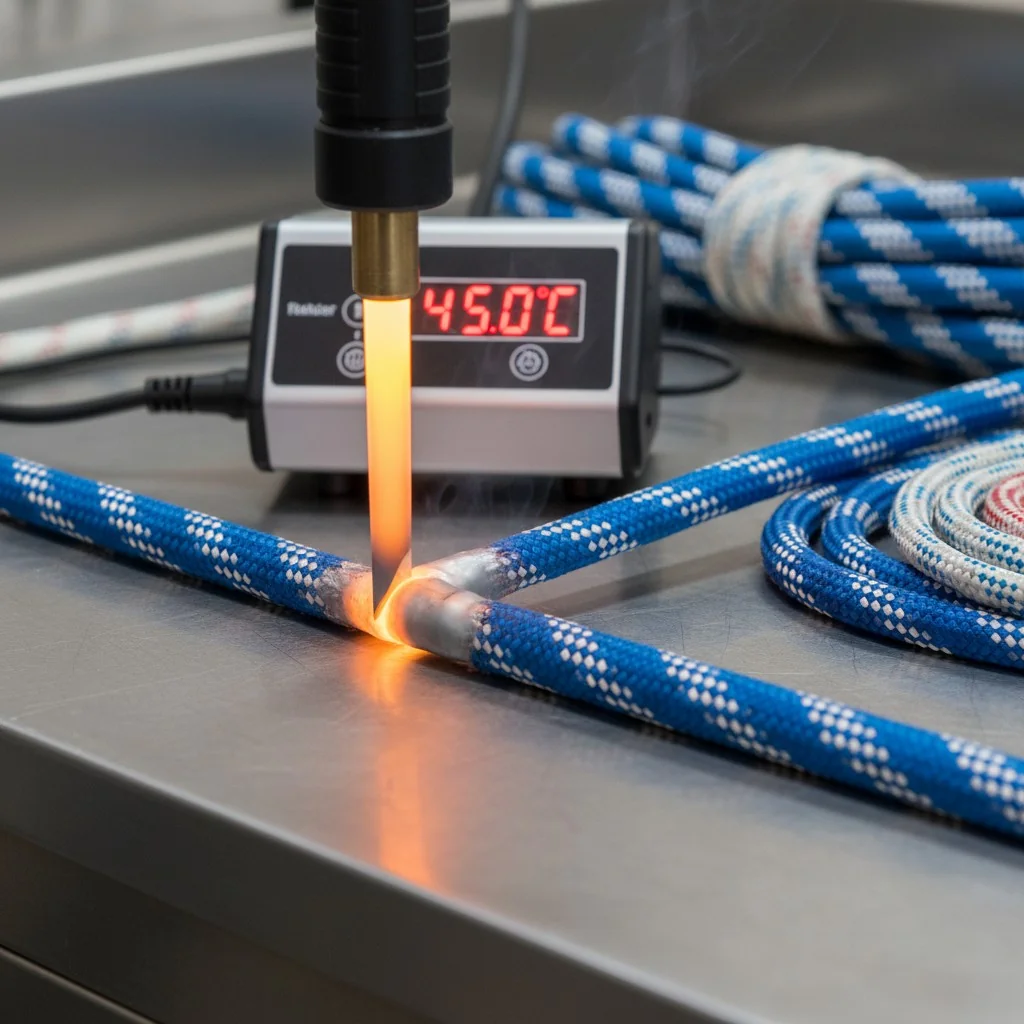
Electric rope cutters improve marine rigging speed, prevent fraying, and ensure long-lasting rope integrity across sail and dock systems.
Insights
Suzhou Haoxinhe Electrical Equipment Co., Ltd. supplies electric hot-cutting machines with precision heat blades that boost efficiency in marine rope fabrication. Our temperature-controlled, coated blade systems provide clean, sealed cuts—ideal for synthetic lines used in sailing, mooring, and marine rigging applications.