How to Choose the Right Leather Strap Cutting Machine for Your Workshop?

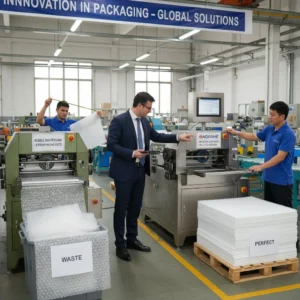
Wasting expensive leather materials due to poor cutting quality? Choosing the wrong machine can cost thousands in rejected products and wasted materials.
The right leather strap cutting machine depends on your production volume, leather thickness, and required precision – with key features like auto-feed systems and guided blade alignment improving efficiency by up to 60%. For small workshops, semi-automatic machines offer the best balance of affordability and precision cutting.
As someone who’s helped over 300 leather workshops optimize their production, I’ve identified the 5 most critical selection factors that make or break your cutting operation.
What Features Help Reduce Waste and Improve Cut Quality in Leather Cutting?

Tired of crooked cuts ruining premium leather hides? Standard cutters often tear fibers instead of slicing cleanly.
Laser-guided alignment, hydraulic pressure control, and self-sharpening blades reduce waste by 25-40% while delivering professional-grade edges that require minimal finishing. These features compensate for natural material variations in leather.
5 Essential Waste-Reducing Features
Auto-Adjusting Cutting Pressure
- Hydraulic pressure adapts to leather thickness variations
- Prevents blade from getting stuck in dense areas
- Maintains clean cuts across entire hide
Precision Material Feeding System
- Roller feeds prevent slippage of smooth leather
- Micro-adjustments correct minor alignment issues
- Optical sensors track material position (accuracy ±0.15mm)
Advanced Blade Technologies
Blade Type Best For Cut Quality Maintenance Needs Rotary Thin leather (1-3mm) Excellent Monthly sharpening Oscillating Medium (3-6mm) Very Good Quarterly service Hydraulic Thick (6-12mm) Good Annual rebuild Waste Optimization Settings
- Automatic nesting for efficient pattern cutting
- Scrap collection system for reusable pieces
- Edge-trimming mode for maximum usable width
Real-Time Monitoring
- Tracks blade performance and wear
- Alerts before quality degrades
- Stores cutting data for process improvement
Workshop Case Study: Before vs. After Upgrade
Before (Basic Cutter):
- 18% material waste
- 2-3mm cut variation
- Frequent blade jams
- Manual measuring required
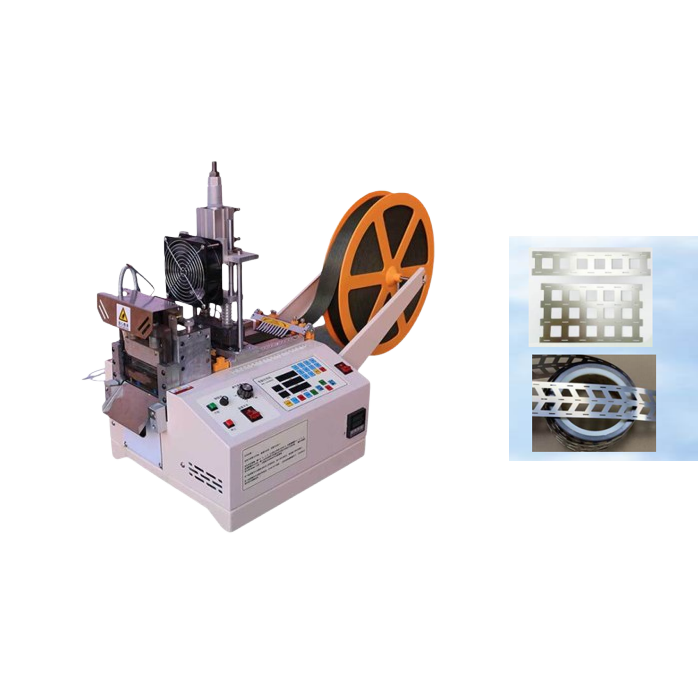
After (HAOXINHE M-220 semi-auto):
- 6% material waste
- ±0.3mm precision
- Continuous operation
- Memory-preset lengths
"We reclaimed $15,000 worth of leather in the first year just from reduced waste – the machine paid for itself in 8 months."
— Boston Leathercraft Workshop
Conclusion

Choosing a cutter with precision feeding, smart pressure control, and quality blades transforms leather cutting from wasteful chore to profitable precision process.
Insights from HAOXINHE
Through 20+ years of manufacturing, we’ve learned most workshops initially buy undersized machines to save money – only to replace them within 2 years. That’s why we developed the modular M-Series that grows with your business. Start with core functions, then add automation as production increases – ensuring your initial investment continues delivering value for years. Quality cutting isn’t an expense – it’s your competitive advantage.
To choose the right leather strap cutting machine for your workshop, consider the following key factors tailored to your specific needs, workshop scale, material, and production goals:
- Material Compatibility
Make sure the machine can handle the leather types and thicknesses you work with, from thin cowhide to thick, heavy leathers or synthetic alternatives like PU.
Machines that accommodate multiple material types increase workshop versatility.
- Cutting Capacity & Speed
Match the machine’s cutting width and thickness capacity to your products (e.g., belts, straps, or handles).
For workshops with larger volumes, prioritize machines with higher speed and continuous operation capabilities to boost productivity.
- Precision and Edge Quality
Look for machines offering clean, burr-free, uniform cuts to ensure professional strap appearance and consistent sizing.
Features like oscillating/high-frequency knives or servo motor controls enhance cutting precision and repeatability.