What Cutting Methods Are Best for High-Tolerance Gasket Production?
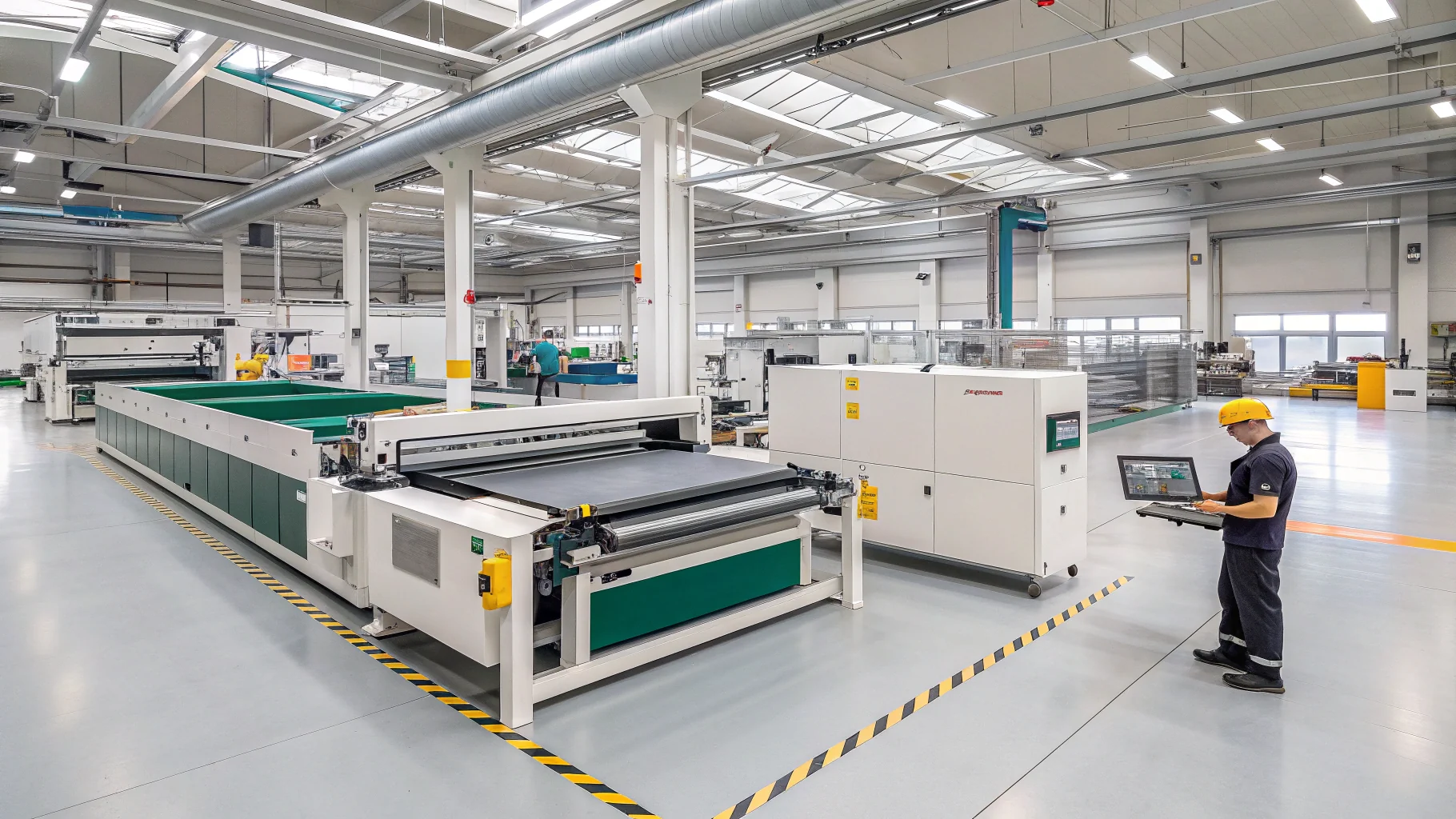
Did you know that improper cutting methods can waste up to 30% of your gasket material? As a factory owner supplying precision cutting machines since 2008, I’ve seen firsthand how choosing the right cutting technology makes all the difference.
For high-tolerance gasket production1, the best cutting methods are rotary die cutting2, laser cutting3, and precision CNC blade cutting4 – each offering different advantages for material types and tolerance requirements between ±0.1mm to ±0.5mm.
Oscillating knife cutting delivers the highest precision and flexibility for high-tolerance gasket production1, achieving tight tolerances and smooth edges on diverse materials such as rubber, silicone, and graphite.
Waterjet cutting produces extremely accurate, clean edges without heat distortion and is especially effective for thick or multi-layered materials, maintaining tolerances as fine as ±0.007".
Digital knife/dieless cutting is ideal for intricate designs and prototypes, offering superior precision and adaptability for frequent design changes or low-volume runs without requiring custom dies.
Laser cutting achieves ultra-tight tolerances (up to 0.0005”), minimal material waste, and clean, intricate shapes, particularly useful for metallic or graphite gaskets where precision is paramount.
Rotary die cutting is preferred for mass production of consistent, high-volume gaskets; it provides uniformity and tight tolerances for flat seals using flexible materials in automated runs.
When selecting gasket cutting equipment, you need to consider three critical factors: material properties, production speed requirements, and dimensional accuracy needs. Let’s examine how different cutting technologies stack up in real-world gasket manufacturing.
How Can Material Compression Affect Gasket Cut Dimensions and Consistency?
[^5] analysis.](https://hxcuttingmachine.com/wp-content/uploads/2025/08/Digital-Caliper-with-Gaskets-on-Technical-Blueprint.webp)
Ever noticed your gaskets shrinking after cutting? Material compression is the hidden culprit that ruins dimensional accuracy in 60% of cases we troubleshoot.
Material compression affects gasket cut dimensions by temporarily deforming the material during the cutting process, causing spring-back effects that alter final dimensions by 0.2-5% depending on material density and cutting pressure.
Understanding Compression Factors
During cutting operations, three compression mechanisms distort your material:
Blade Pressure Compression
- Occurs when the cutting blade presses down on material
- Worse with dull blades requiring more force
- Typical compression range: 0.1-2mm
Material Memory Effect
- Elastic materials like rubber try returning to original shape
- Creates dimensional inaccuracy after cutting
- Most problematic with high-density rubbers
Static Friction Hold
- Material grips the blade during cutting
- Causes uneven compression across length
Solutions to Minimize Compression Effects
| Solution | Mechanism | Benefit | Implementation Cost |
|---|---|---|---|
| Precision-guided blades | Reduces downward pressure | Improves cut consistency | $$ |
| Multi-pass cutting | Gradual material separation | Lowers compression force | $$$ |
| Compression rollers | Maintains material position | Prevents shifting | $ |
| Pre-stretching material | Reduces spring-back | Better dimensional stability | $$ |
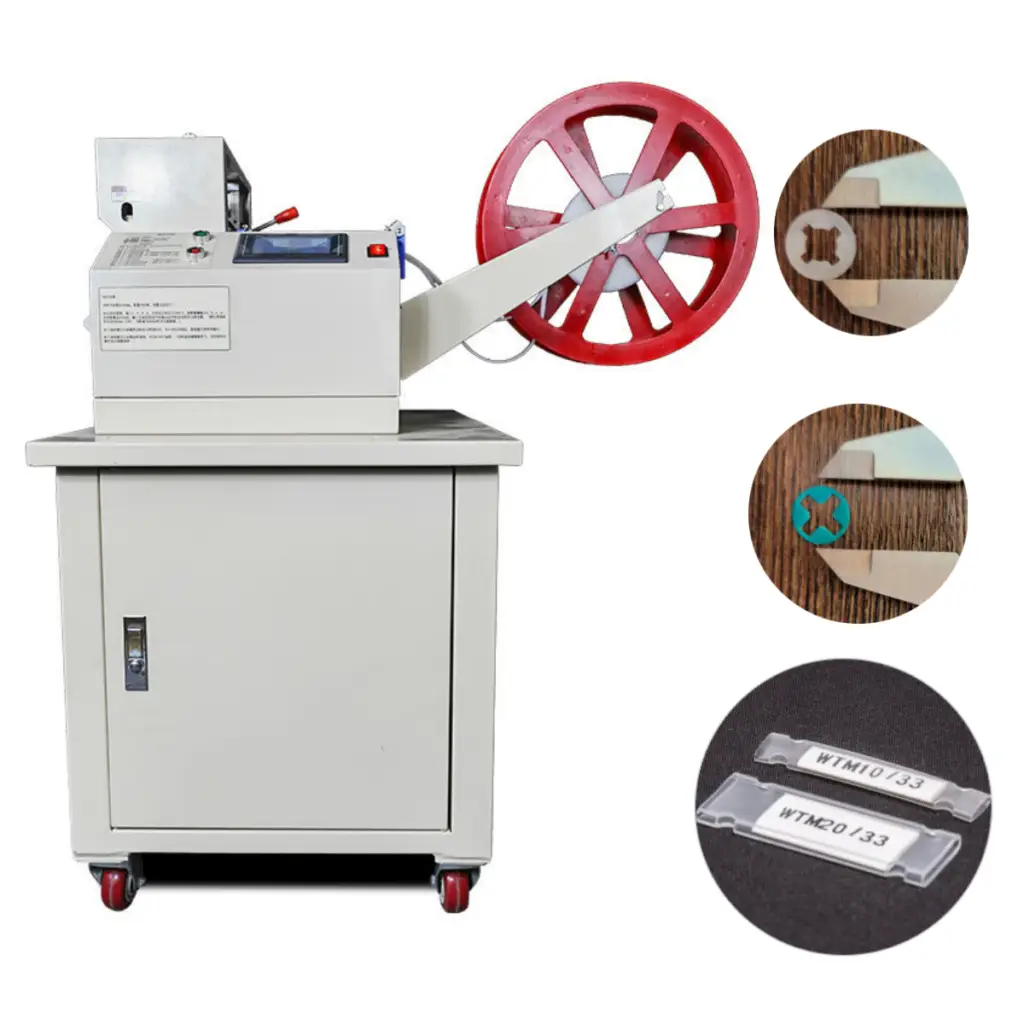
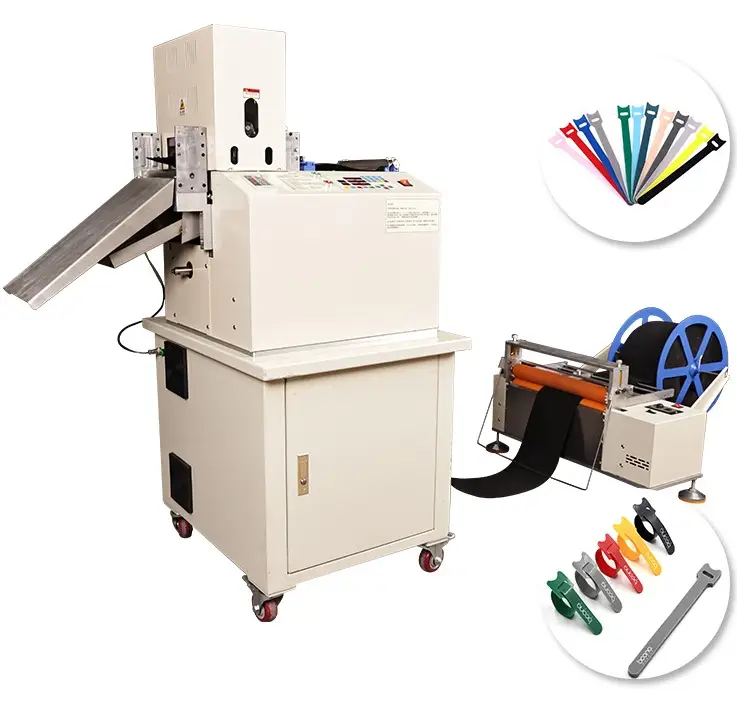
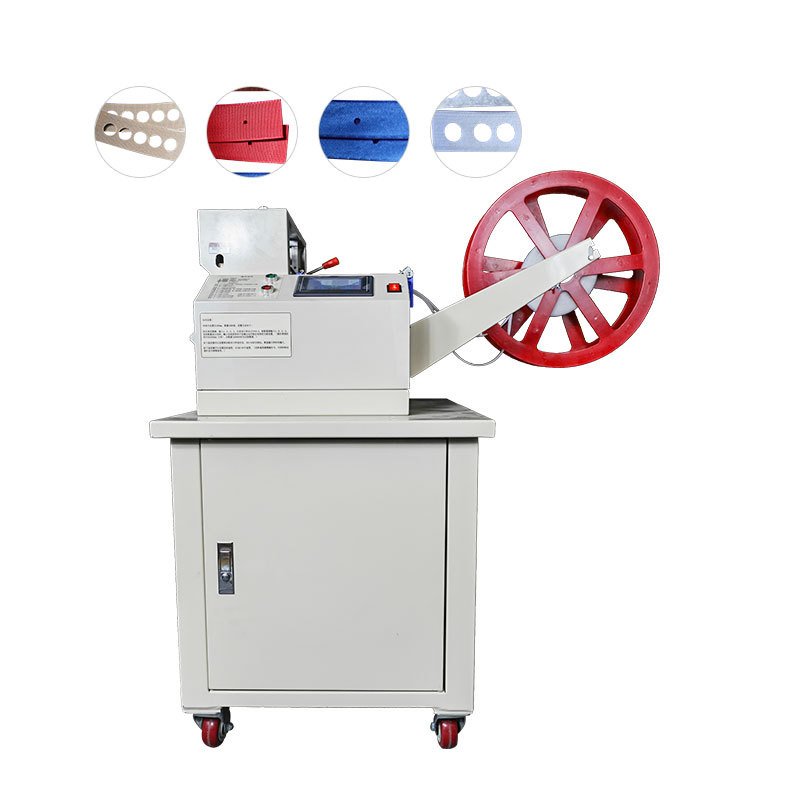
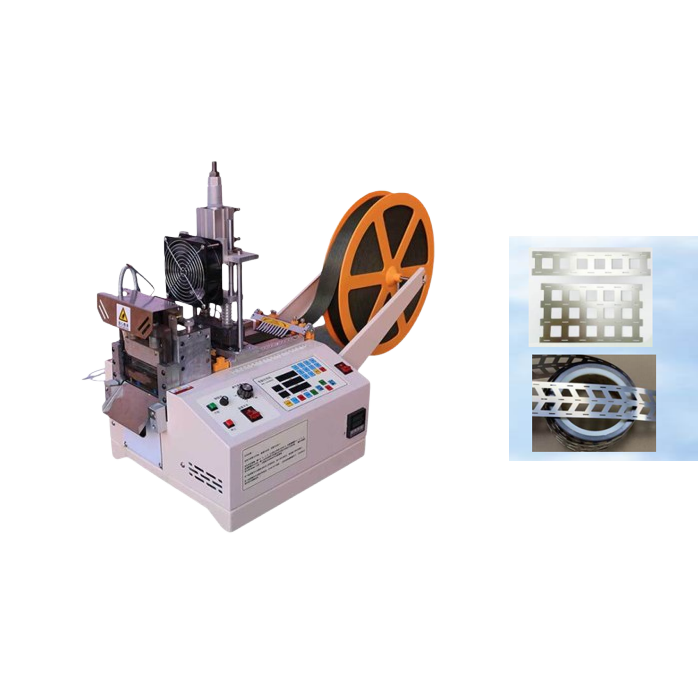
Our HAOXINHE webbing tape cutting machines incorporate German-engineered blade guides that reduce compression distortion by up to 80% compared to conventional machines. For rubber gasket production, we recommend our rotary bevel cutting machines which use proprietary pressure control to maintain ±0.2mm tolerances.
Material-Specific Compression Rates
| Material Type | Compression Rate | Recovery Time | Recommended Cutting Method |
|---|---|---|---|
| Natural Rubber | 3-5% | 2-4 hours | Cold cutting |
| Neoprene | 1-3% | 1-2 hours | Laser cutting |
| Cork | 5-8% | Immediate | Rotary die cutting |
| EPDM | 2-4% | 3-5 hours | Precision CNC cutting |
From our production experience, proper machine setup can compensate for 90% of compression-related inaccuracies. That’s why all HAOXINHE machines include digital pressure adjustment5 and real-time compression monitoring.
Conclusion
Choosing the right cutting method with proper compression control ensures gasket dimensions stay within ±0.2mm tolerances for perfect sealing performance every time.
Insights:
HAOXINHE’s computer tube cutting machines feature unique anti-compression technology developed through 15 years of servicing gasket manufacturers. Our hot and cold cutting machine variants maintain strict ±0.1mm tolerances even with highly elastic materials, making them ideal for automotive and industrial gasket applications. Contact us today for a free material compression6 analysis on your specific gasket production needs.
Explore this resource to understand the latest techniques and technologies for achieving high-tolerance in gasket production. ↩ ↩
Learn about rotary die cutting’s benefits for mass production and how it ensures uniformity in gasket manufacturing. ↩
Discover how laser cutting technology enhances precision and reduces waste in gasket production. ↩
Find out how precision CNC blade cutting can optimize your gasket production process for better accuracy. ↩
Learn about the advantages of digital pressure adjustment for maintaining accuracy in gasket production. ↩
Understand the impact of material compression on gasket dimensions and how to mitigate its effects. ↩